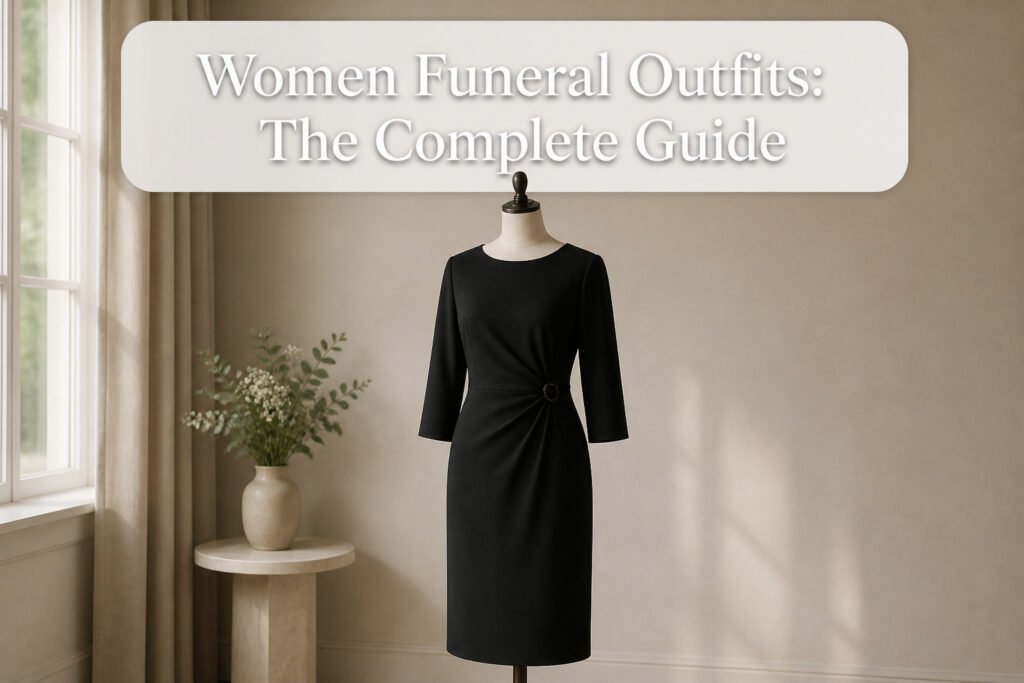
The right women funeral outfit is a knee-length dress, tailored trousers with a blouse, a conservative jumpsuit, or a dark skirt with a blazer, worn with shoulders covered and closed-toe shoes in a dark color. Black works but is not required; navy, charcoal, deep plum, and forest green all signal respect when the cut stays modest and the fabric avoids sheen. Lightweight wool crepe holds its shape through hours of standing and sitting, while cotton poplin stays crisp in summer heat without clinging or sagging.
What to Wear to a Funeral
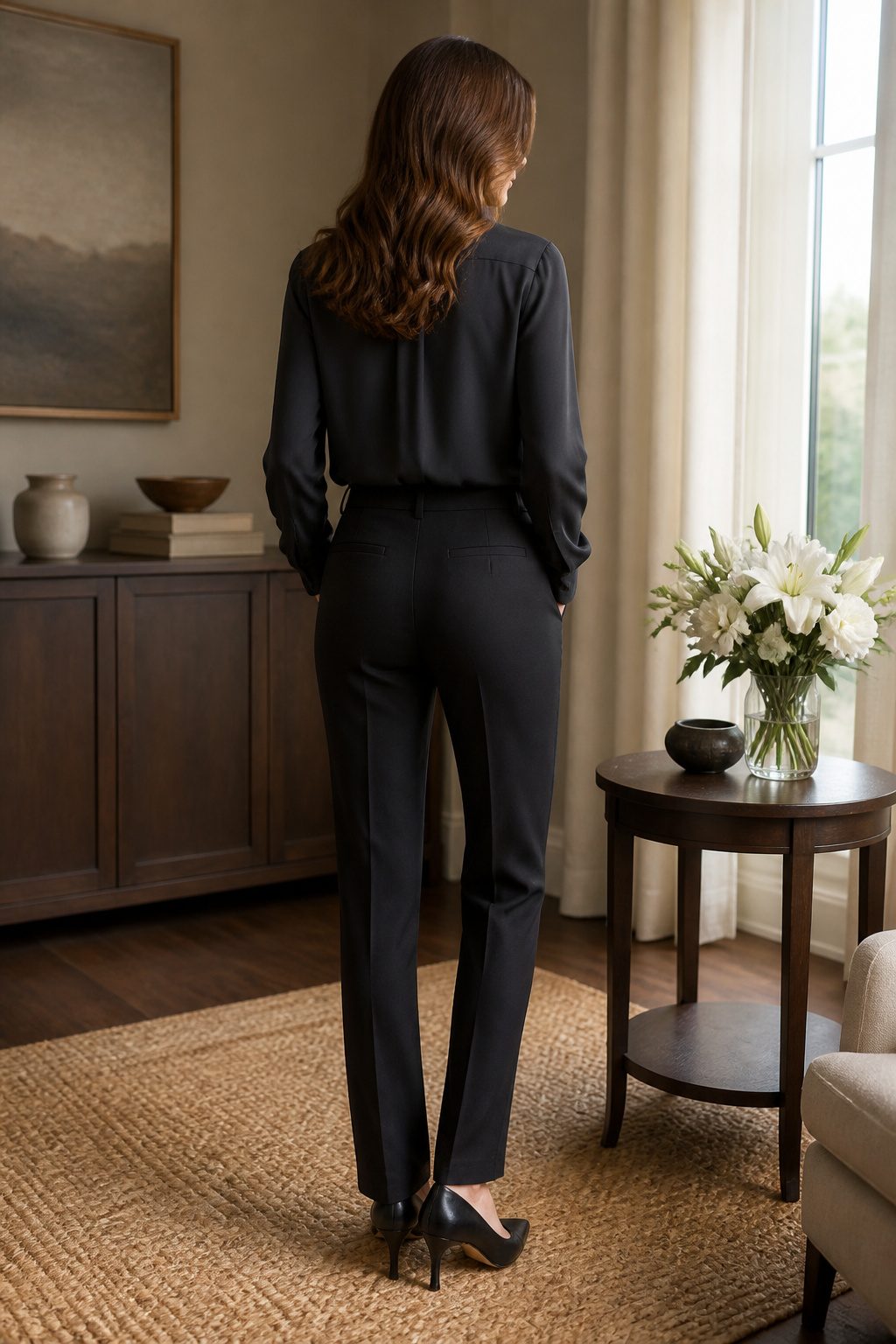
A funeral outfit does not need to be complicated. Knee-length dresses, tailored trousers with a blouse, conservative jumpsuits, and dark skirts paired with a cardigan or blazer all meet the mark. Shoulders should be covered, either by the garment itself or with a layer you add. Closed-toe shoes in a dark color finish the look without drawing attention.
Black works, but it is not required. Other dark colors signal respect just as clearly. The key is choosing fabrics that hold their shape through the day. Ponte, crepe, wool blends, and thicker knits wear better than thin, clingy materials that shift and need constant adjusting. If you will be hugging family members or standing for long periods, soft structure wins over stiff tailoring. A blazer, longer cardigan, or coat that frames you without rigidity lets you focus on the occasion rather than what you are wearing.
Think about where you are coming from. A dark suit or simple blouse-and-slacks combo transitions cleanly from an office if the service falls on a workday. The goal is polished simplicity that does not compete with why you are there.
Knee-Length Dresses
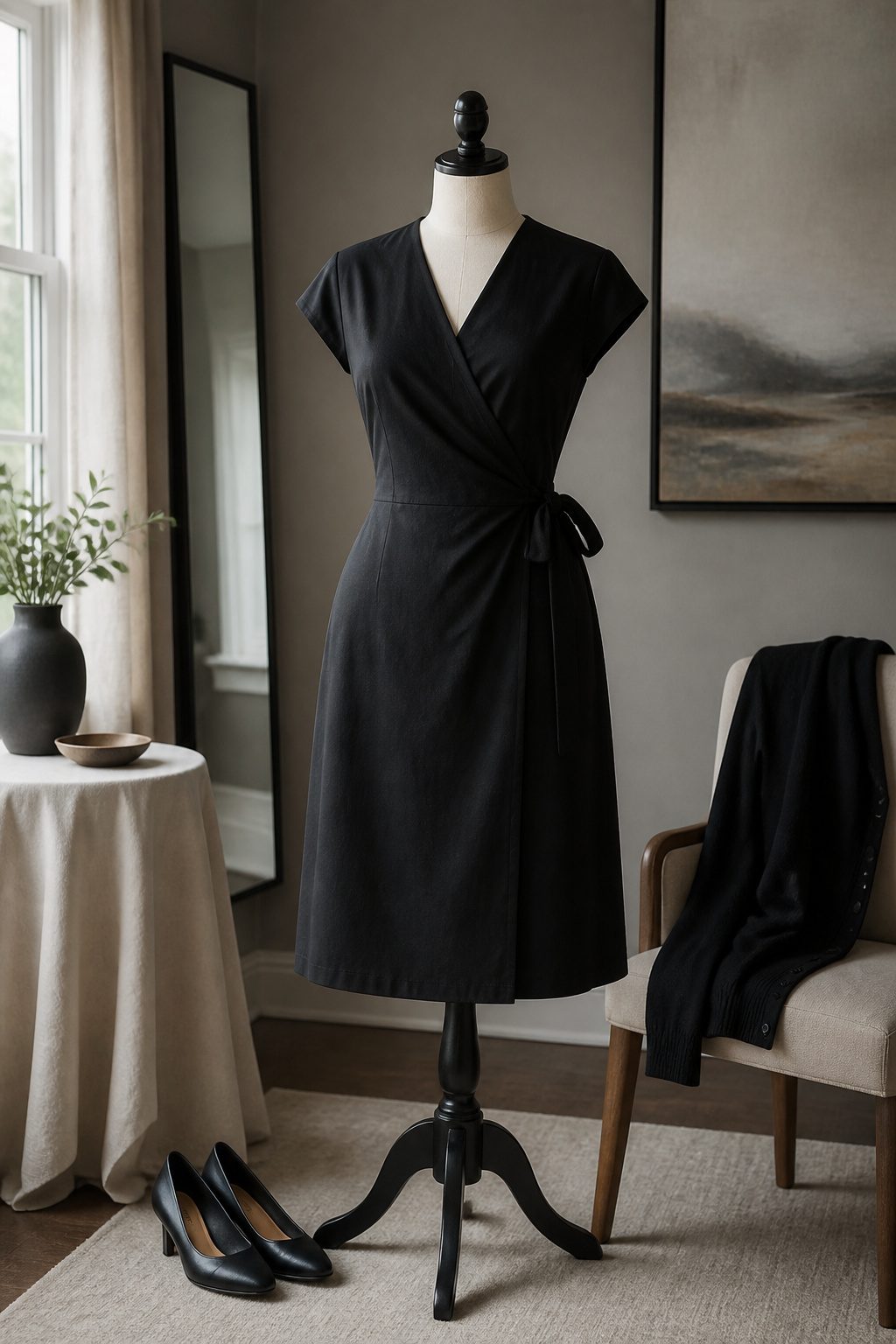
A knee-length dress, falling one to two inches above the knee or longer, gives you coverage that works through every part of a funeral service. You can sit in a pew, stand in a receiving line, and walk from car to graveside without pulling at the hem or worrying about what shows. That stability matters on a day when your attention should be elsewhere.
The fit depends on your shape. A wrap dress with cap sleeves or an A-line cut with short sleeves lets you adjust at the waist without clinging through the hips. A shift with elbow-length sleeves works straighter through the middle. If you are fuller through the bust, the wrap gives you control. If you carry weight low, the A-line skims instead of grips.
For summer, cotton poplin stays crisp and breathes, while lightweight wool crepe pulls moisture away from your skin. Both hold their shape through hours of wear better than thin knits that sag or cling. A silk-cotton blend works if you want something softer against the neck and shoulders.
Style it with what you already own. A longer cardigan or a blazer you have for work frames the dress without looking stiff. Closed-toe shoes in a dark color, a simple earring, and you are done. The dress does the work; the layers let you adjust for a cold chapel or a windy graveside without changing the look.
Dress Pants and Tailored Trousers
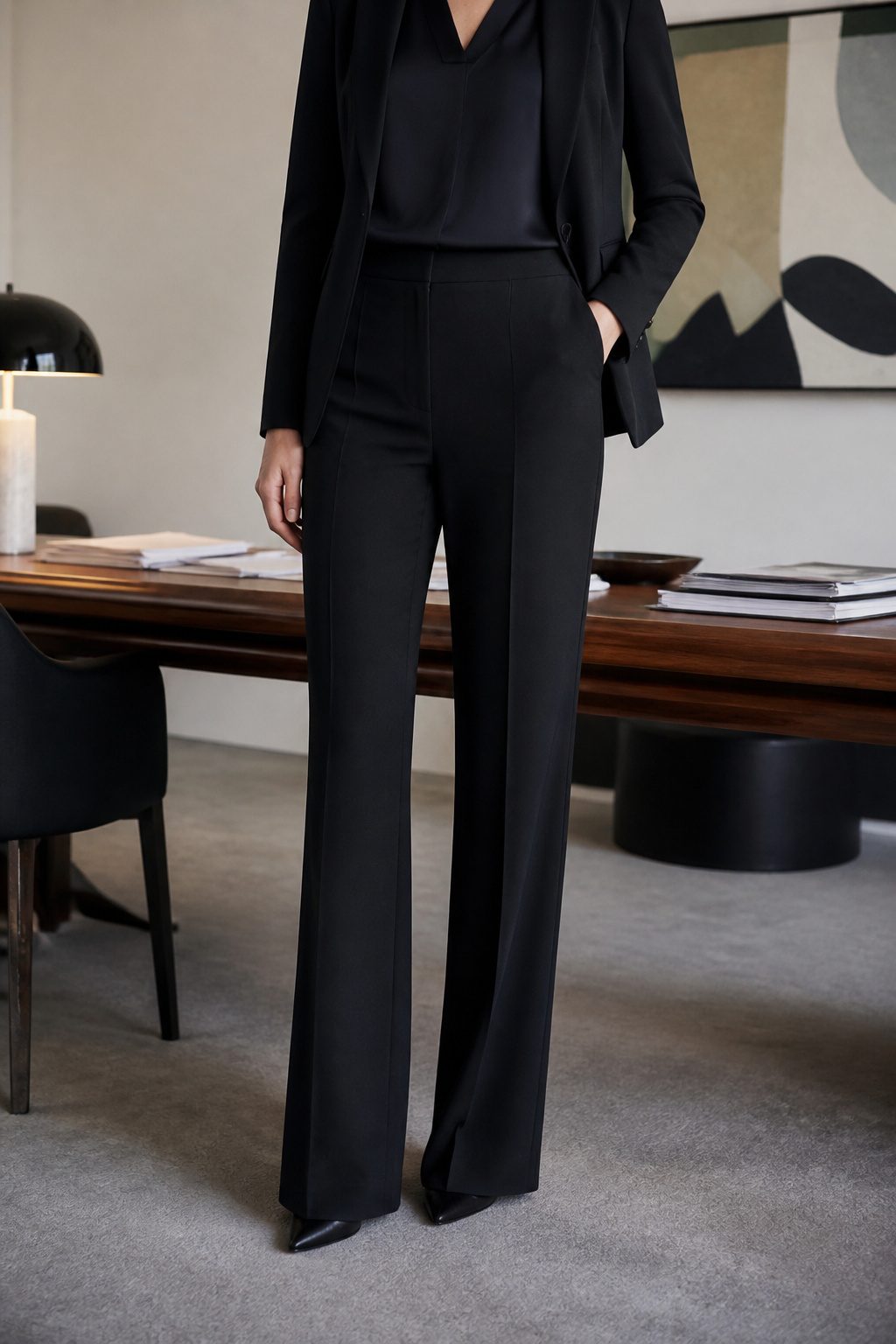
Pants are fully appropriate for a funeral, and in most Western settings a dark pantsuit or tailored trousers with a modest top reads as respectful as any dress. The distinction that matters is between dress pants and tailored trousers. Dress pants lean office-basic: often synthetic blends, a simpler waistband, a cut that sits serviceably but not sharply. Tailored trousers carry structure through the seat and thigh, with a waistband that stays put without belt dependency and a leg line that looks intentional from every angle.
Pair either with a blouse that is not sheer, adding a camisole underneath if the fabric is light, or with a fine-gauge knit top that skims rather than clings. A clean crease or at minimum a clean drape signals that you understood the weight of the occasion. A pressed crease reads as preparation for a hard day; a crumled hem reads as afterthought.
For proportions, wide-leg trousers can be elegant and forgiving if you will be standing for long periods. Straight-leg or tapered pants feel classic and work across more body shapes without requiring heel height to balance the silhouette. Fabric weight should follow the season: light wool or linen in warmer months, heavier wool or tweed in cold weather, always in dark subdued colors regardless of temperature. The goal is clothing that lets you focus on the service, not on adjusting your waistband or wishing you had chosen something else.
Blouses Paired with Skirts
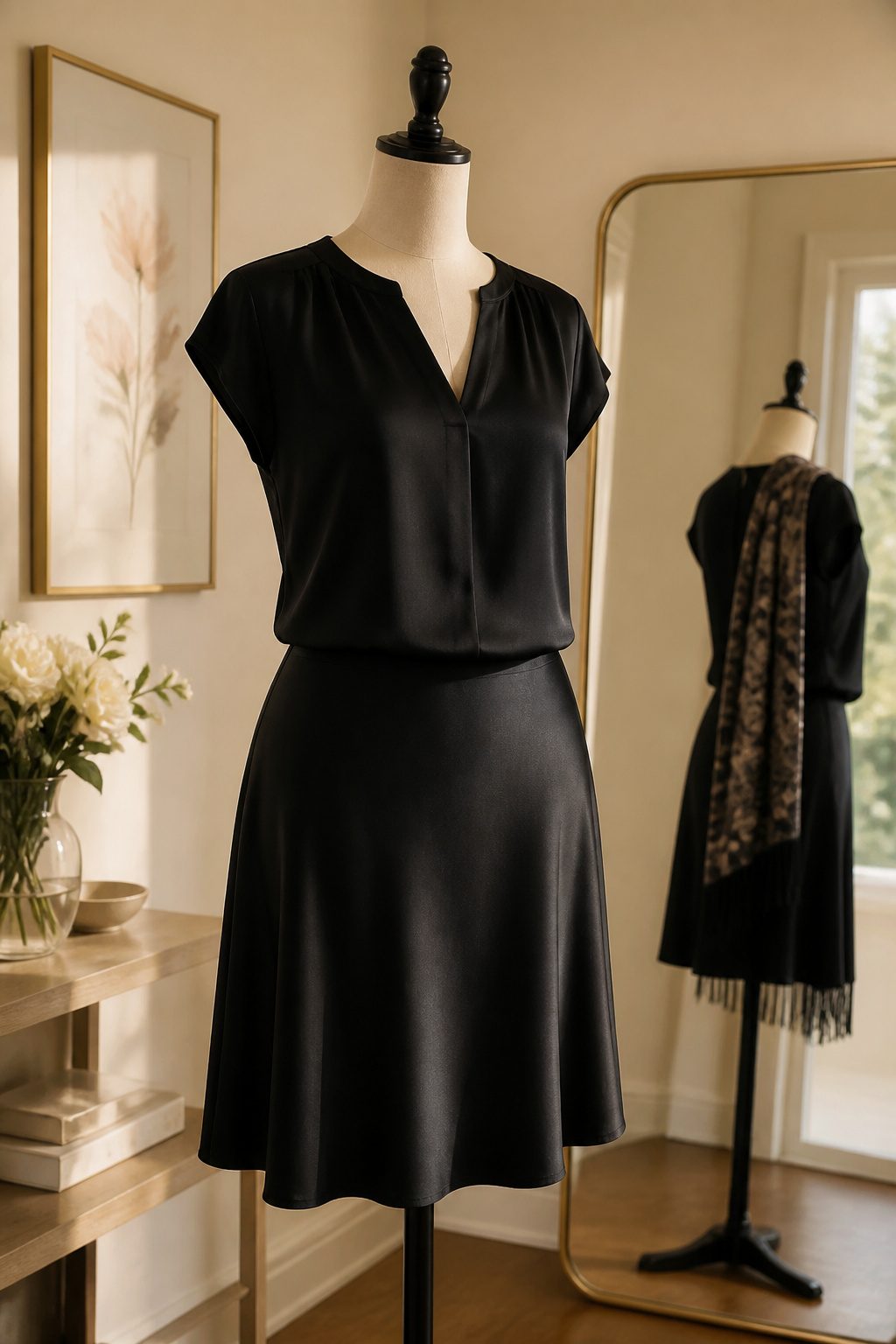
A blouse and skirt pairing gives you room to work with what you already own, which matters when you need something appropriate by morning. The skirt should read dark: charcoal, deep navy, or black. Length sits near the knee, and that measurement holds whether you are standing through the service or seated in a pew. A hem that skims the knee keeps coverage consistent, so you are not tugging fabric mid-ceremony.
Tuck the blouse if the waistband is clean and the fabric stays put; leave it untucked if the skirt sits high and the blouse is fluid enough to fall straight. Either way, balance the volume. A full skirt needs a fitted or semi-fitted top so the silhouette does not overwhelm. A narrow skirt can take a slightly looser blouse, but keep the overall line vertical.
This combination works across seasons. Swap in a heavier crepe or silk blend when it is cool, a lighter woven when the service is outdoors in summer. You are building from two separates most women already have, which means one less purchase and one less decision the night before.
Conservative Jumpsuits
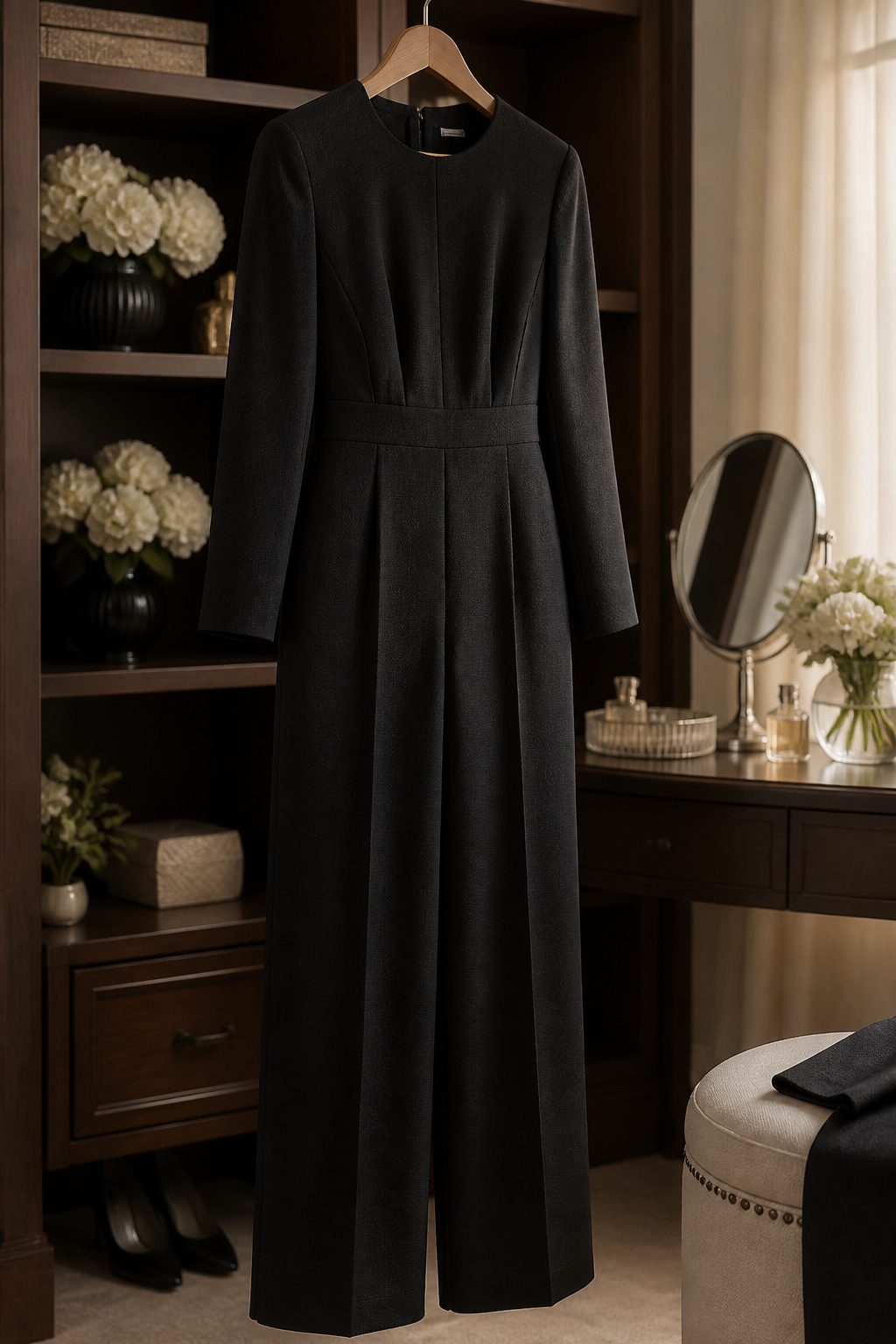
A conservative jumpsuit in a dark color is the single easiest way to get dressed for a funeral without thinking about separates. One piece, one decision, done. What makes it conservative is the coverage: shoulders covered, waist defined so the shape reads as intentional rather than sloppy, legs full or straight cut to the ankle, and no plunging neckline. The fabric matters more here than at a party. You want something with enough weight to drape cleanly, not cling, because a funeral involves sitting still in rows of chairs and then standing in receiving lines. Cheap fabric pills or bags at the knees within an hour.
The bathroom question is real. A jumpsuit with a back zipper or complicated closures turns a two-minute restroom trip into a production, and funeral venues vary from churches with single stalls to crowded funeral home bathrooms with a line behind you. Look for a front or side closure you can manage alone, or at least test the full sequence before you commit. A jumpsuit that fits well and moves quietly beats a dress you have to keep adjusting, but only if you can actually wear it for four hours without a logistics crisis.
Dark Skirts as Separates
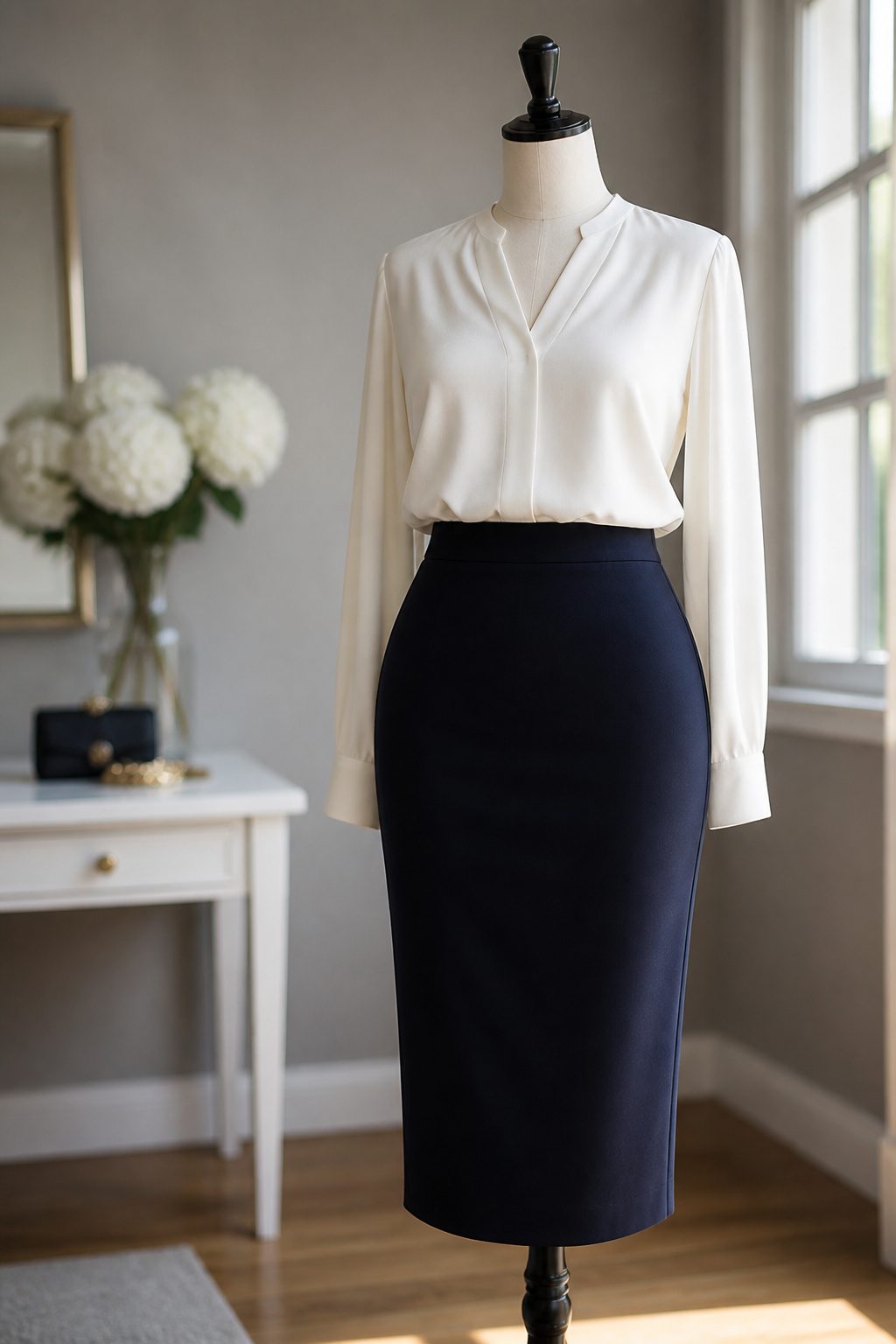
A dark skirt you already own is often the most practical starting point for women funeral outfits. Pencil skirts work best on hourglass and rectangle shapes because the fitted line follows the body without adding volume where you do not want it. A-line skirts balance broader shoulders or fuller hips; the flare starts at the natural waist and falls away, which keeps the silhouette calm and controlled. Midi length, hitting somewhere between mid-calf and just below the knee, reads as respectful at virtually any service type and avoids the awkward in-between zone that reads as either too casual or trying too hard.
Navy and charcoal are the most useful alternatives to black, more forgiving than pure black under outdoor light and less likely to show lint or pet hair during a long day. Deep plum works for evening visitations or winter services where the light is low and the tone feels intentional rather than festive. Muted earth tones, olive or a cooled brown, only belong at outdoor services, graveside or garden memorials, and even then they should read as somber, not sun-faded. Pair any of these with a blouse in a matching depth, a flat or low heel, and you have a complete outfit without buying a single new piece.
Cardigans and Blazers
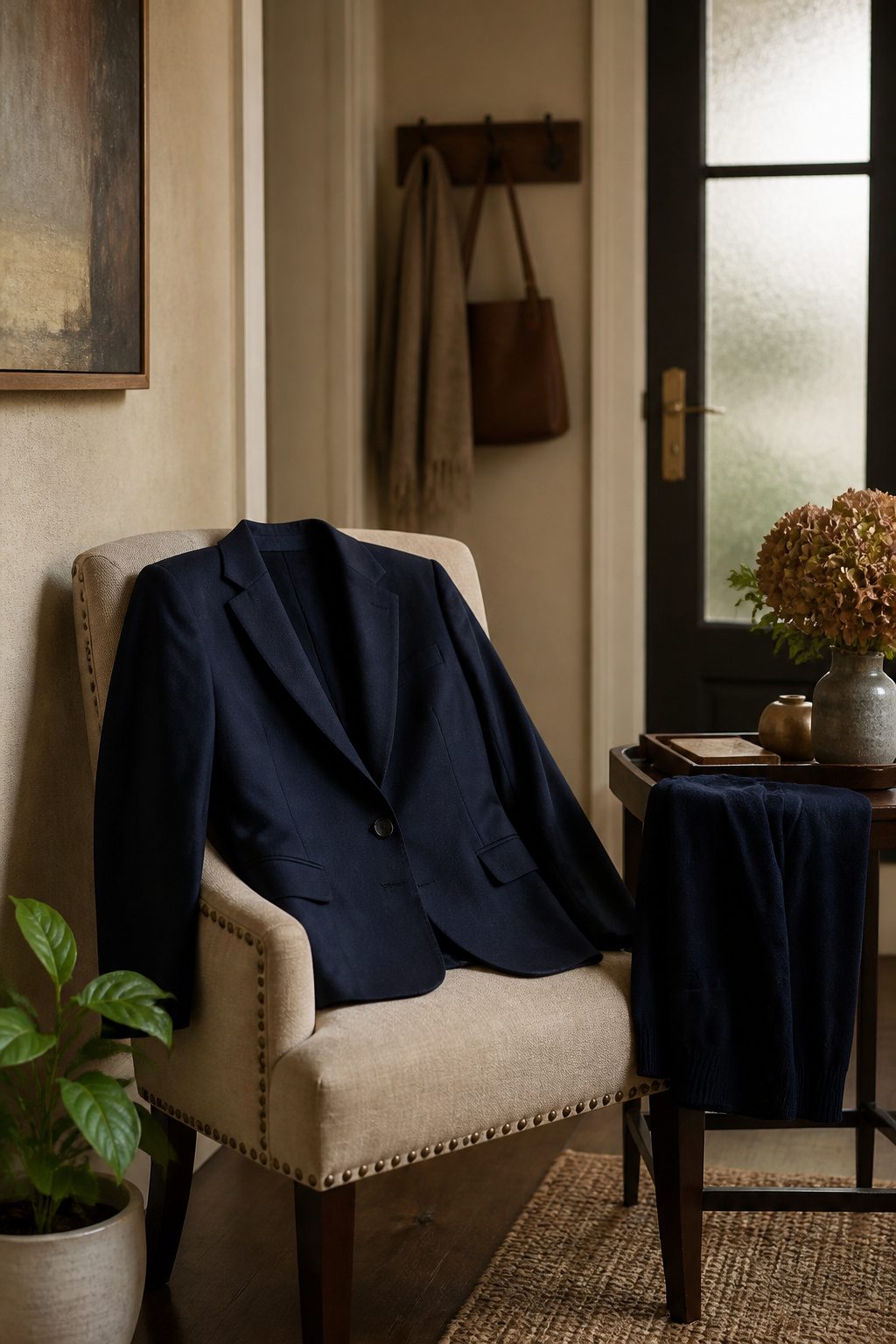
A blazer gives a simple black dress the authority a funeral asks for. The structure holds your shoulders square and covers your upper arms without looking like you are hiding. If the service is in a church that runs cold, wool or a dense cotton blend keeps heat in without the bulk of a coat you would have to check.
A cardigan does the opposite job. Cashmere or a fine merino softens a sharp trouser or a structured shell top, which helps when you are meeting relatives you have not seen in years and do not want to look armored. The drape reads approachable; the weight, if you choose one that is not too heavy, handles a warm afternoon graveside without making you peel layers in front of everyone.
Carry the blazer, do not wear it, if the day will swing from a hot car to an air-conditioned chapel. Drape it over your forearm before you enter, then pull it on in the vestibule. A cardigan can tie at the waist or sit in your lap; it creases less and recovers faster.
The piece you already own is almost always enough. A navy blazer you wear to work, a charcoal cardigan from last winter: either one signals that you understood the occasion and prepared for it. That preparation is what people notice, not the label.
Closed-Toe Shoes
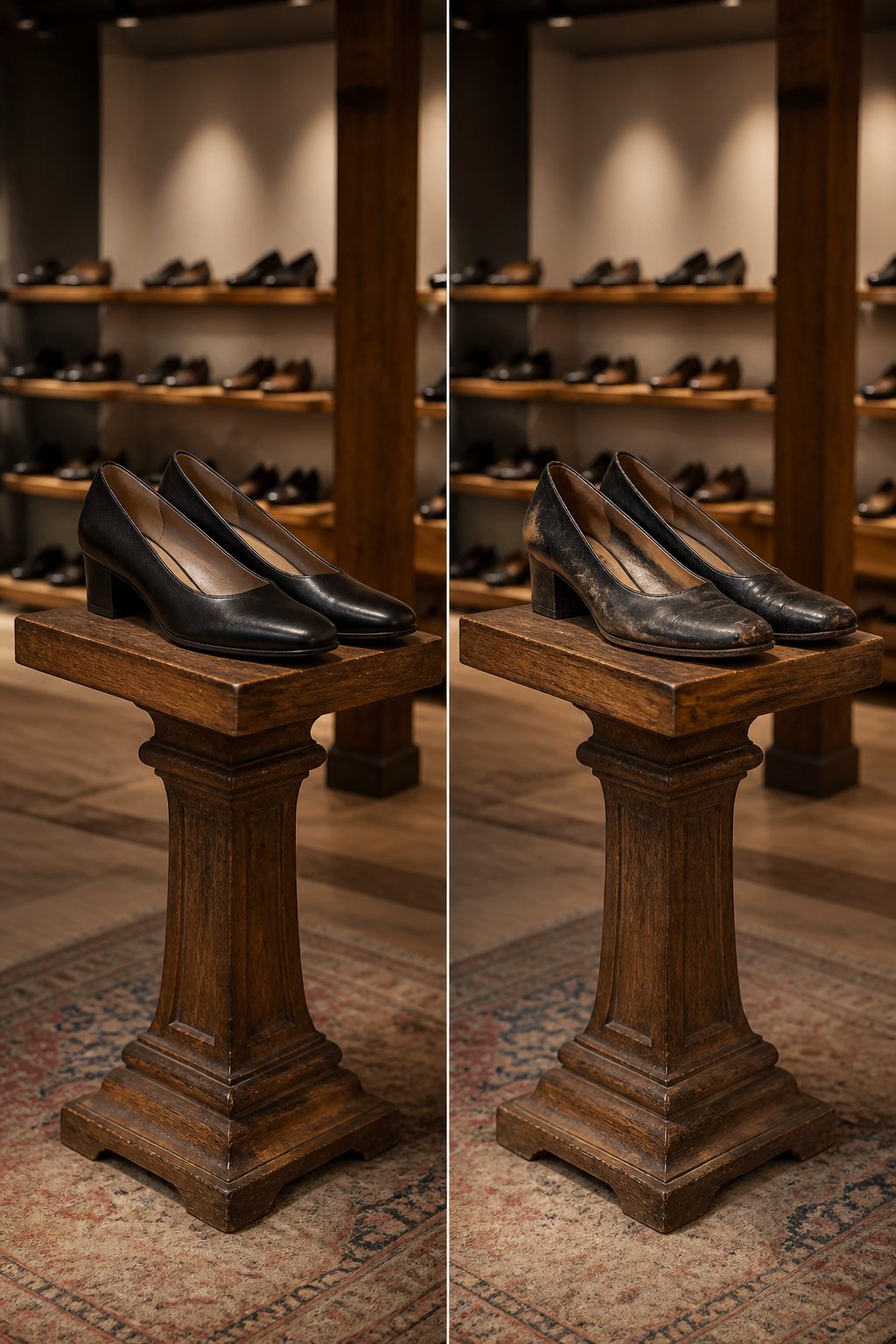
Closed-toe shoes are the baseline for funeral services, and a low heel of 1 to 2 inches hits the practical sweet spot. That height gives you enough lift to look pulled together without the wobble of anything taller. Flats carry the same weight, though, so if you never wear heels, do not start now. Patent leather loafers, Mary-Janes with a low heel, or ankle boots in black or taupe all read as intentional rather than leftover.
Outdoor graveside services change the math. Grass and uneven ground will punish a narrow heel that sinks, and you may stand longer than expected. Choose a stable sole and skip anything delicate. Wedges work here for the same reason: the weight spreads.
Simple open-toe shoes can pass in warm weather, but they need to stay plain. No straps, no glitter, no height. For religious services, though, closed-toe remains the safer call. The risk of open-toe is distraction, and that is the one thing your shoes should never cause.
Minimal Jewelry
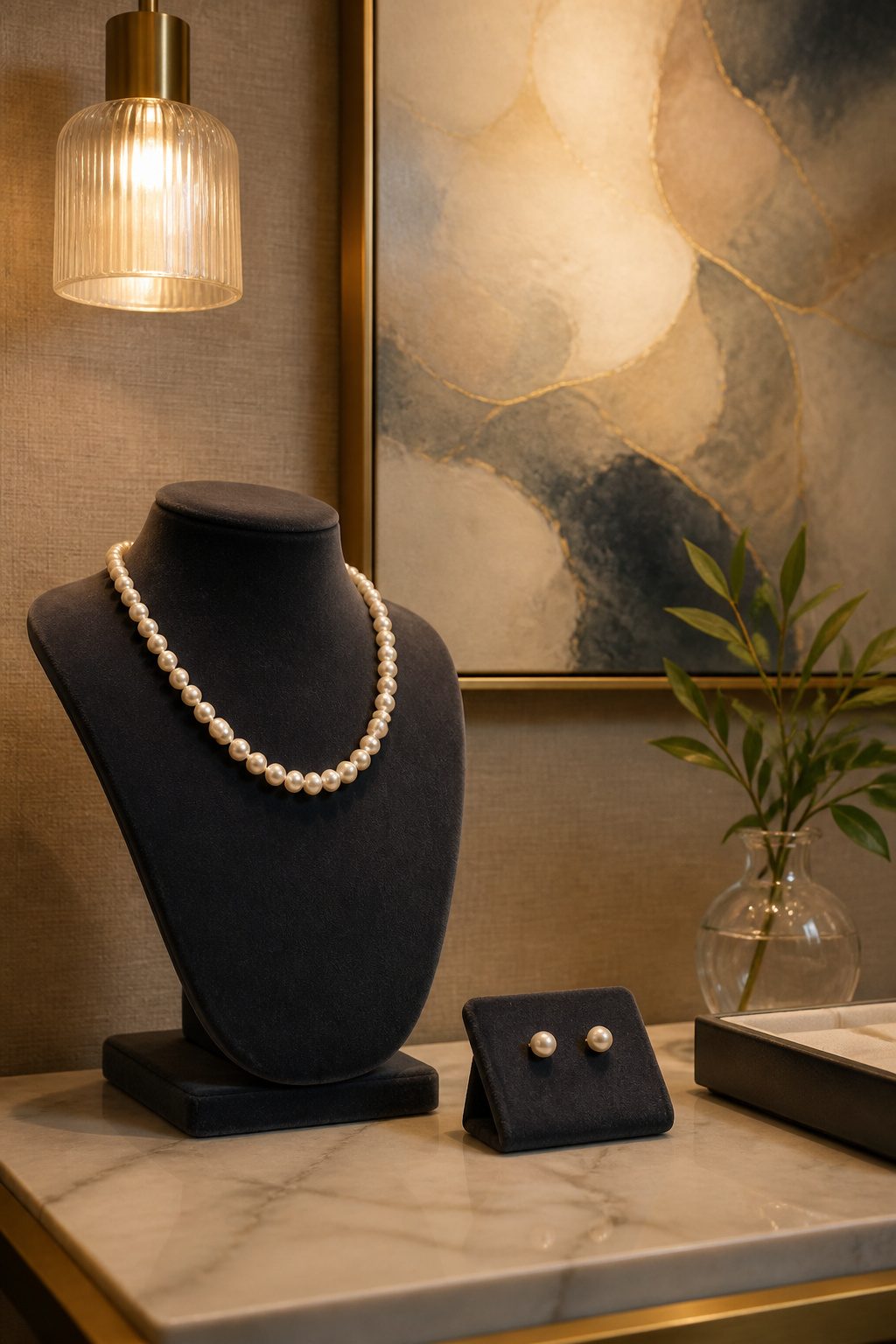
Small studs or pearl earrings sit right at the lobe and do not swing. A delicate chain or pearl necklace stays at 18 inches or shorter, resting at the collarbone rather than drawing the eye down. The point is no jangle, no flash: nothing that catches light or clicks against a program during silence.
One piece usually carries more weight than several thin ones layered together. A simple watch with an understated dial counts as that single piece if earrings feel like too much. Metal matters less than scale, though yellow gold reads louder against black than silver or muted rose tones.
Pieces with personal meaning, a grandmother’s ring, a religious pendant, belong here only if they are small enough to read as private, not conversational. The service is not the day to explain what you are wearing. If the story behind it risks pulling focus, leave it home and wear it to the gathering after instead.
Light Layers for Temperature Changes
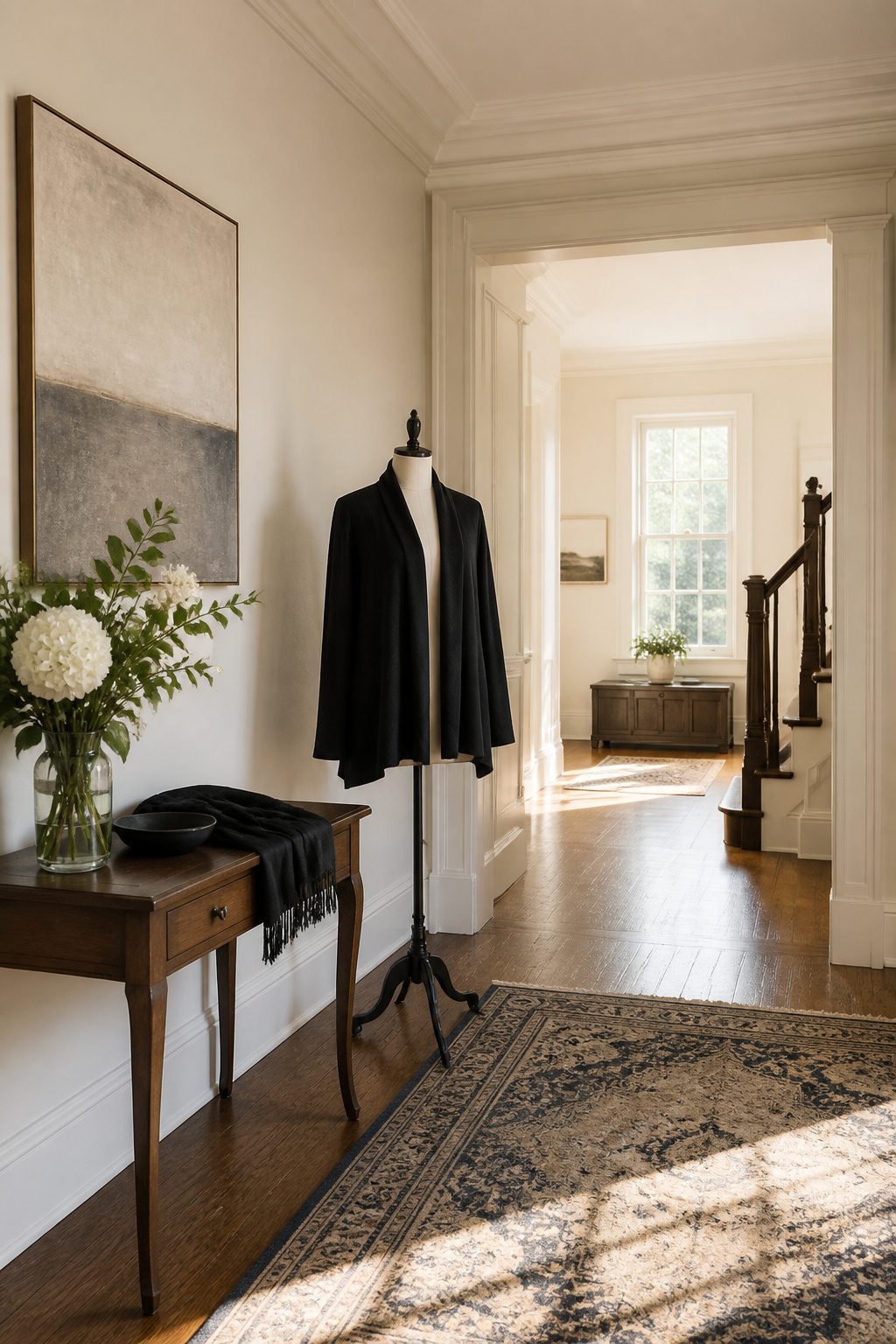
You will move between three temperatures in a single morning: the car, the chapel, and the open air at the cemetery. Churches over-air-condition without warning. Outdoor services shift from sun to shade. A layer you can tie at your waist or carry over your arm keeps you from shivering through a eulogy or sweating through a prayer.
A structured cardigan or blazer wins here. Fabric weight matters more than it looks. A mid-weight wool or cotton blend gives actual warmth without the bulk of a winter coat. A trench coat handles light rain and still reads formal. The wrong layer, a heavy parka or a cropped denim jacket, makes you feel underdressed at the moment you least want to.
Pockets are not optional. Tissues, keys, a phone silenced: you need them within reach, not at the bottom of a bag. A scarf adds warmth and can be removed in seconds. If you will stand outside before or after the service, plan for it before you leave the house. The outfit that works indoors rarely works for a graveside burial in spring wind.
Color Choices Beyond Black
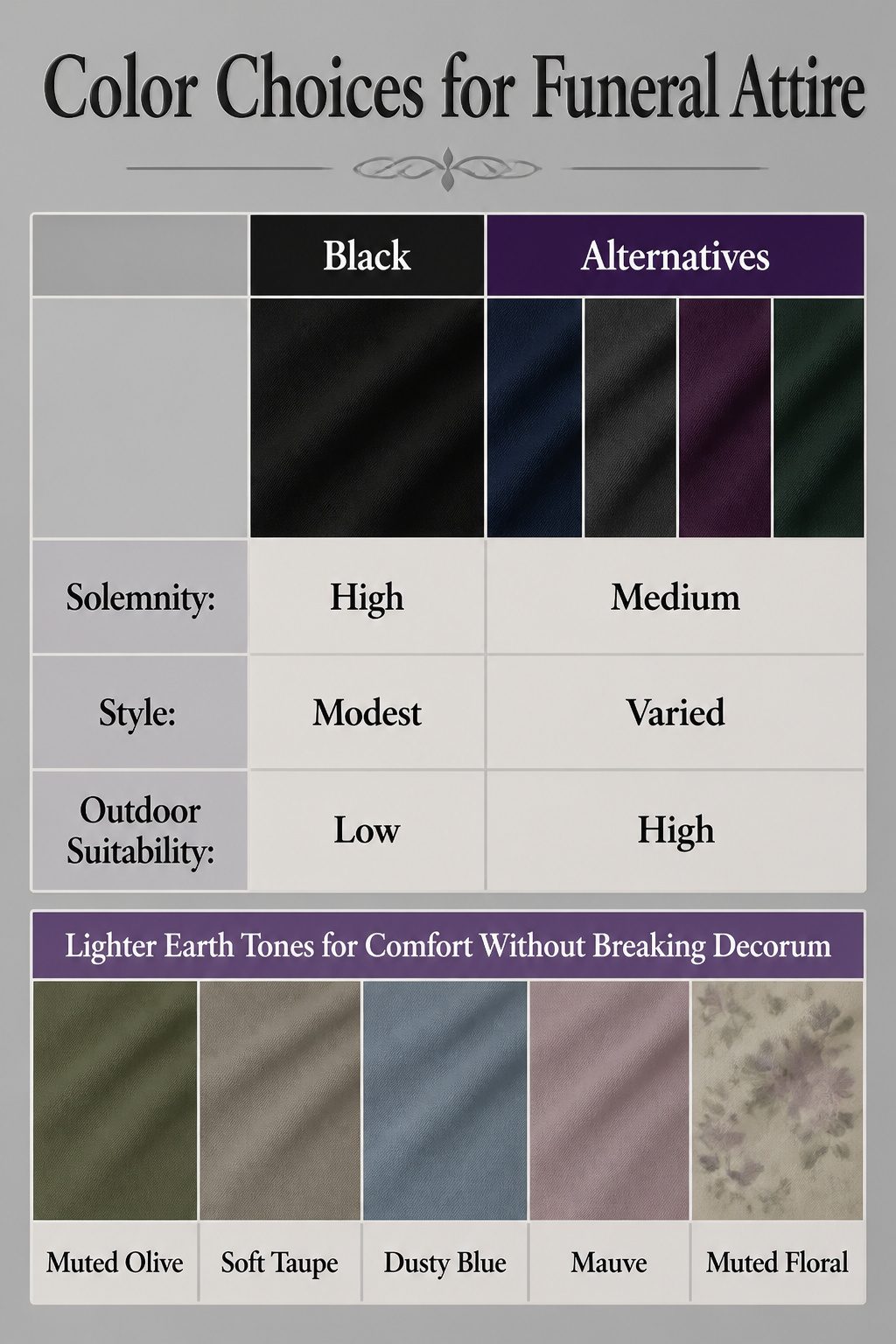
Black still anchors most women funeral outfits, but it is no longer the only respectful choice. Navy and charcoal carry the same weight when you need a dark alternative that reads as solemn without matching every other attendee. Deep plum and forest green also pass at most services, provided the cut stays modest and the fabric avoids sheen.
For outdoor summer services, lighter earth tones work better than you might expect. Dark colors absorb heat, so a muted olive or soft taupe keeps you comfortable without breaking tone. The key is reading the invitation or the family’s culture before you decide. Some requests are explicit: "no black" or "wear color to celebrate." When that happens, dusty blue, mauve, or a muted floral replaces the darker palette entirely. Skip bright red, neon, sequins, or flashy prints unless the family asked for them directly.
Fabrics That Work
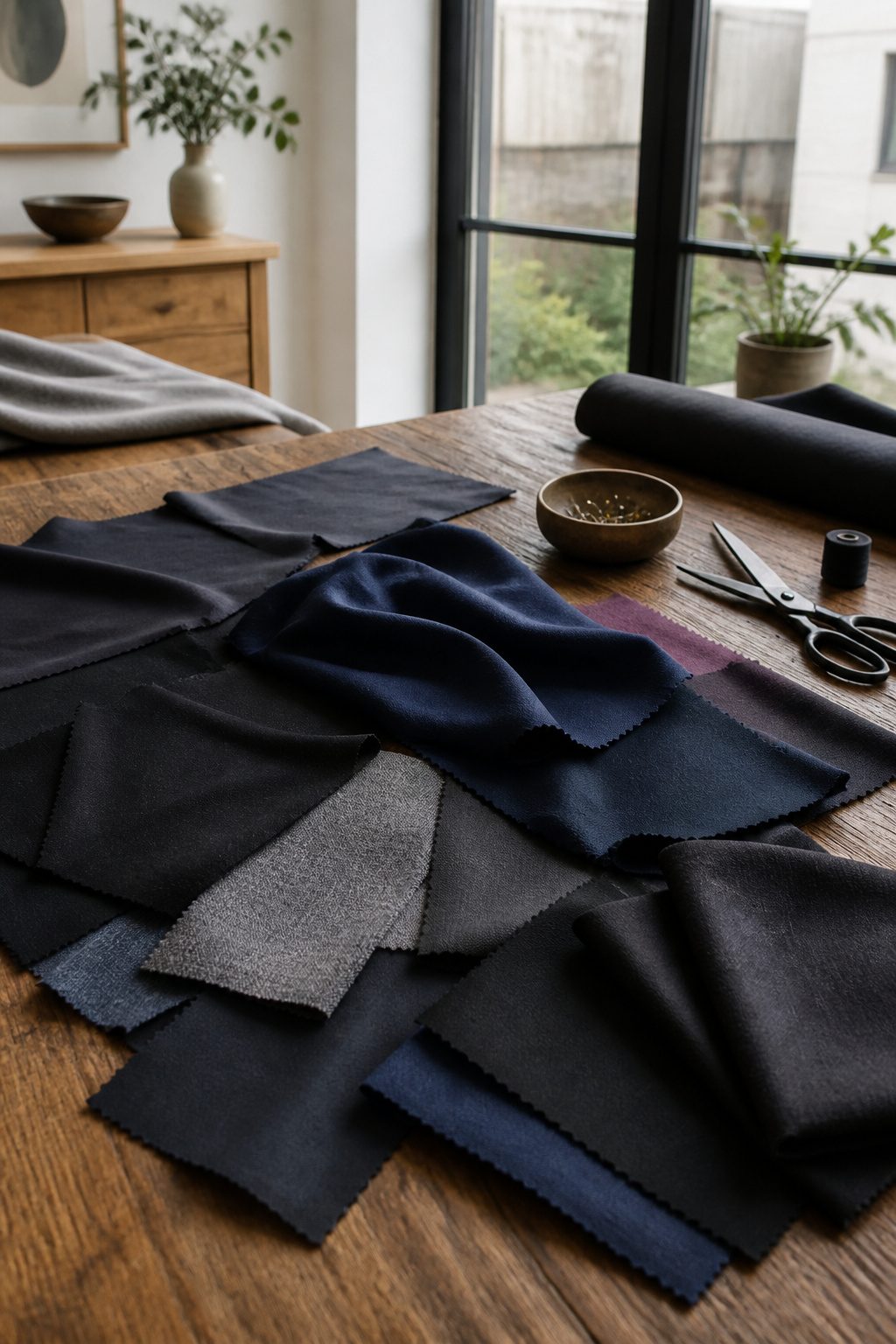
Cotton poplin stays crisp through a long car ride and still looks pressed at the graveside, which is why it keeps coming up in funeral outfit threads. Linen breathes better than almost anything else in July heat, but it creases the moment you sit, so a linen blazer over a cotton dress gives you the air flow without the wrinkled-back problem. Lightweight wool crepe absorbs moisture and holds its shape for hours, making it the fabric that wins when you are traveling from a morning service to an afternoon burial and do not want to look like you have been wearing the same outfit all day.
Synthetic blends can help here, but only the right ones. A touch of polyester or nylon in a wool crepe mix adds wrinkle resistance without adding shine. The problem comes when the synthetic content gets high enough to trap heat or catch light the wrong way. That slight sheen on a cheap poly-blend skirt reads as casual or even clubwear in funeral home lighting, and the fabric does not let sweat evaporate, so you end up damp and uncomfortable by hour two. For summer funerals especially, keep the blend low or skip it, and test the fabric in bright light before you commit.
Footwear for the Setting
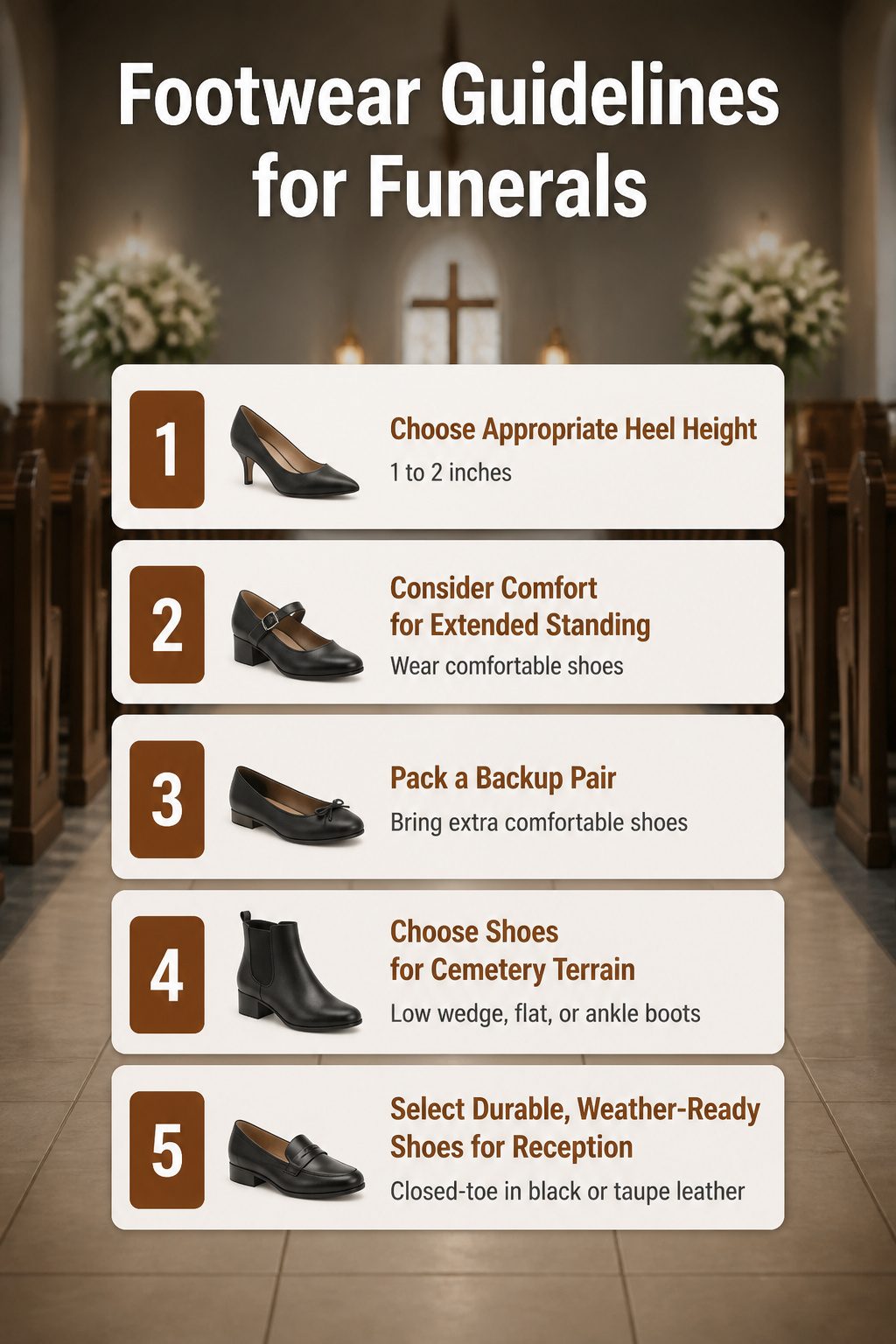
Church floors favor a heel between one and two inches: enough to keep your hemline from dragging, low enough that you will not sink into the joints between marble or wood. The real test is the standing time. A funeral runs about three hours from service to burial to reception, and by hour two a three-inch heel shifts your weight onto the ball of the foot in a way that shows. Pack a backup pair if you are traveling to the service, because the shoes that felt fine at breakfast will not at the cemetery.
Cemetery grass is where stilettos fail outright. A low wedge or a flat with some tread on the sole keeps you upright on uneven ground and the soft turf that follows rain. Patent leather loafers and Mary-Jane styles with a low heel both work here, though the loafer wins if the walk from parking is long. Ankle boots with a low heel bridge the two worlds, church to graveside, and handle damp grass better than anything with a smooth leather bottom.
Reception halls return you to hard flooring, so the one-to-two-inch heel you wore to the service still applies. Conservative flats with a simple bow embellishment hold up for the mingling and the standing that follows a seated service. If the forecast calls for weather, a closed-toe design in black or taupe leather will outlast a damp morning better than suede, and you will not spend the reception conscious of water marks.
Accessories and Handbags
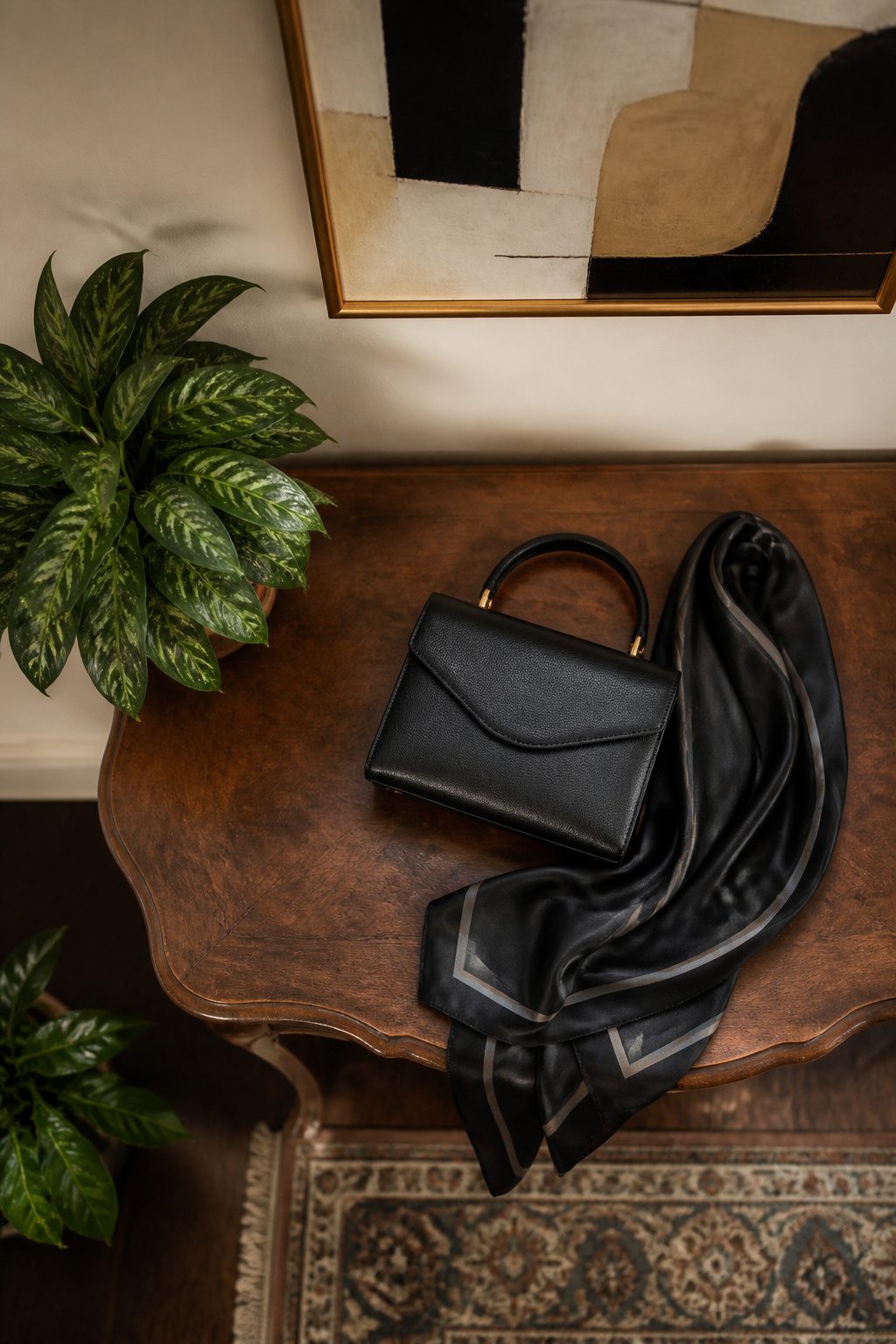
A small to medium handbag in leather or fabric, matched to your outfit, keeps you from juggling too much when you arrive with flowers or a program in hand. A bag that actually closes matters more than usual here; between accepting a service leaflet, shaking hands, and reaching for a tissue, an open tote becomes a liability. A clutch or short-strap shoulder bag keeps your hands free and your posture upright through the receiving line.
Jewelry stays minimal: a simple necklace, small earrings, a plain watch. Skip anything metallic or flashy, and anything that clicks or dangles during quiet moments. Scarves work hard in this outfit, adding neck coverage when you need it or a small note of deep color when the rest of your look is head-to-toe dark. Tuck your phone inside the bag, not a pocket where it bulges or slips. Sunglasses belong in the bag too, ready if grief hits harder than you expected and you need a moment behind lenses without drawing attention. Bright colors, logos, and oversized totes read as careless; the point is to arrive prepared and disappear into the occasion.
Cultural and Religious Customs
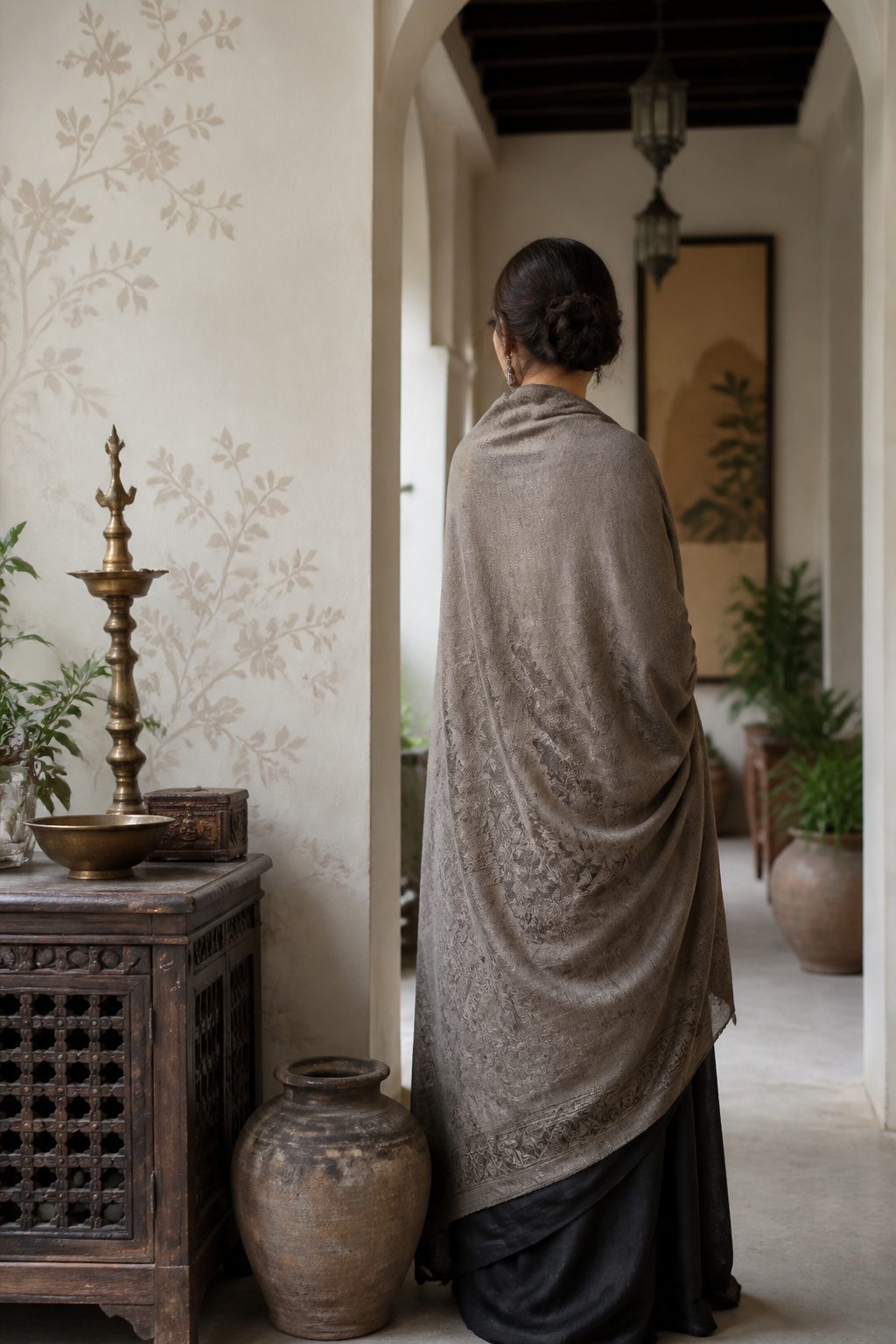
The biggest mistake you can make with women funeral outfits is dressing for the wrong tradition. At Hindu and Buddhist services, white replaces black as the color of mourning, symbolizing purity and rebirth. At Jewish funerals, you may need a head covering; at Islamic services, modesty means loose clothing, covered arms and legs, and high necklines, with some women choosing to wear a headscarf.
If you are unsure what applies, ask the family or the officiant directly. Showing up in simple black when white is expected, or with bare shoulders in a tradition that requires coverage, is worse than showing up underdressed. Anthropologists who study funeral rites note that knowing the custom beforehand lets you participate without distracting from the family’s grief.
When no one can tell you the specifics, lean conservative: higher necklines, covered shoulders, longer hemlines, and a blazer or wrap you can add if the space runs cold. A light layer also saves you from shivering through the service, which is a small detail but a real one.
What is appropriate can be down to faith, culture and family wishes.
This means your safest starting point is never your own closet; it is a two-minute phone call or message to someone close to the deceased.
Seasonal Variations
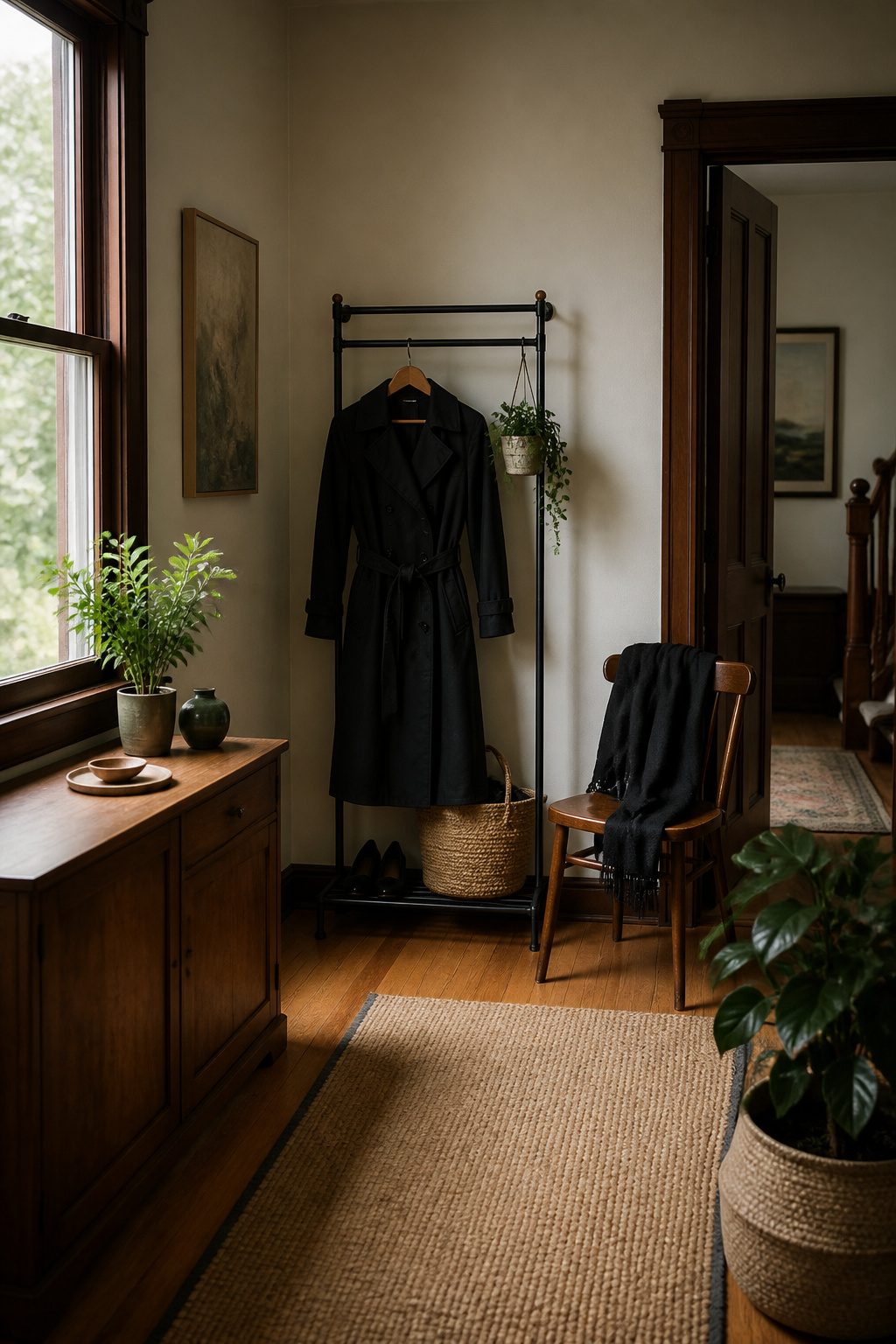
Summer funerals demand lightweight fabrics like linen, cotton, or viscose in dark colors, but bring a light cardigan or blazer even on hot days. Indoor venues often run air-conditioning cold, and you will notice the temperature swing.
For winter, shift to wool dresses or suits and add a tasteful overcoat or scarf for warmth without losing formality. Base layers help, but keep them invisible; no one should see the thermal shirt beneath your blouse.
The real test is the shoulder-season outdoor service. Weather turns mid-ceremony more often than people plan for. A trench coat or structured cardigan gives you flexibility when sun shifts to wind and light rain. Choose a darker umbrella and a coat that handles drizzle without looking thrown-on.
Graveside services add their own layer. You may stand on grass or uneven ground for extended periods, and wind does what it wants with lightweight fabric. A slightly heavier dress weight or a slip underneath keeps the skirt in place. Avoid narrow heels that sink; this is not the place to discover your shoes will not let you walk.
Outfit Formulas by Service Type
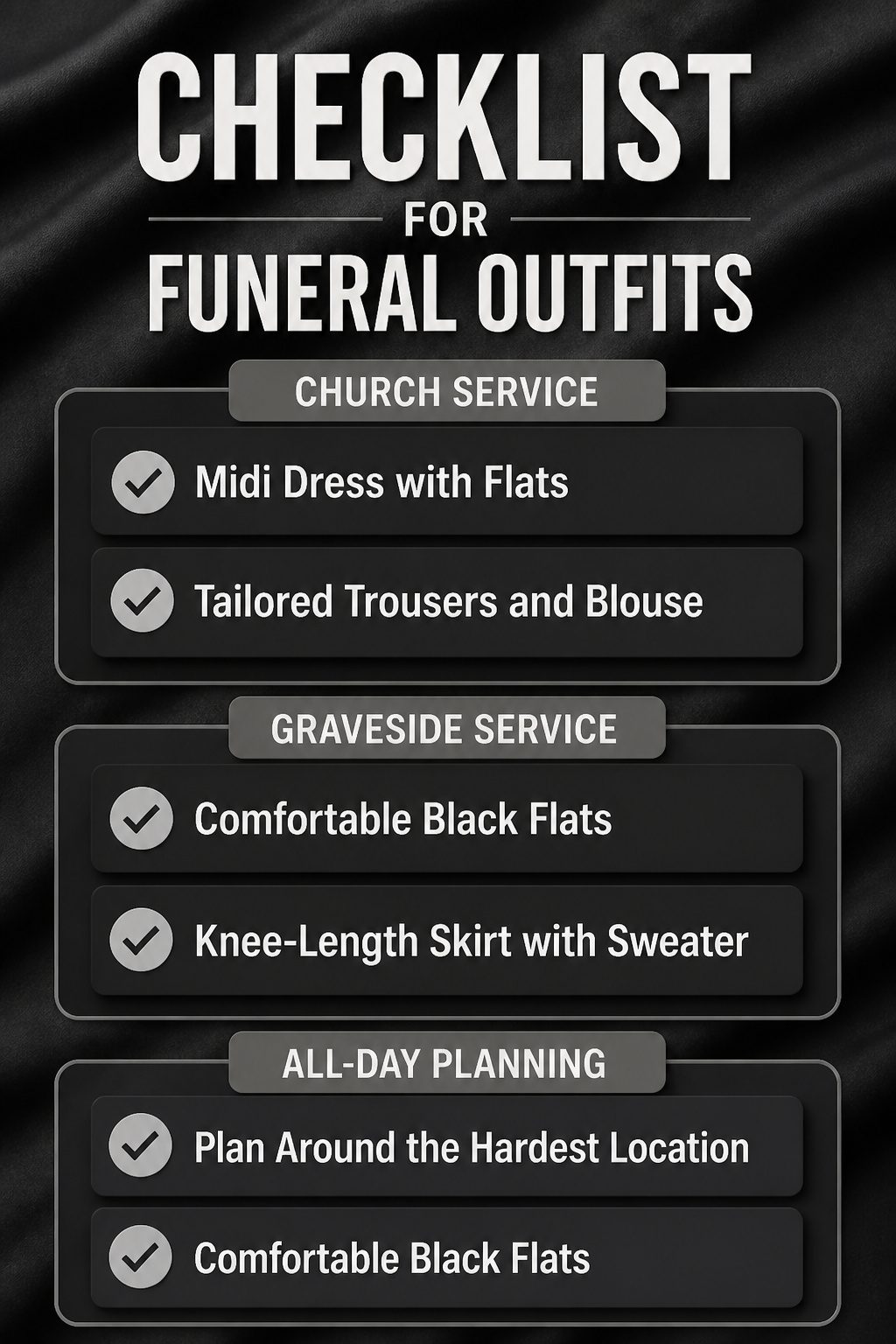
The outfit that works for a church service is not always the one you want at the graveside. A black midi dress with closed-toe flats and a simple coat checks every box indoors: the longer length keeps the focus on the service, and the color reads clean and respectful. Step outside onto grass or uneven ground, and that same dress needs heavier fabric or a slip beneath it so wind does not turn it into a distraction. Narrow heels sink into soil, so graveside calls for flats, loafers, or boots you can actually walk in.
Dark tailored trousers with a solid blouse and a blazer or long cardigan handle both settings without a change. They are completely acceptable now, as long as fabrics stay neat and colors dark. For cold-weather graveside services, a knee-length or midi skirt with a simple sweater or turtleneck keeps you warm and still reads smart in the church.
When the day moves from a funeral home to a family home or restaurant for the reception, the dress code softens to smart but softer. A dark or muted midi dress with a cardigan, tailored trousers with a silk or chiffon blouse in softer tones, or a dark wrap dress that is not too low-cut fits here. The silhouette stays modest; nothing too tight, short, or shiny.
If you are hitting multiple stops with no chance to change, plan around the hardest location. Build the outfit for the graveside or the longest walk, then let a cardigan or blazer dial the formality up or down. A pair of comfortable black flats works across every stop; black goes with any dark outfit and does not steal focus. For winter, tall boots keep you warm and remove the hosiery question entirely. If you do wear tights, keep them sheer and virtually invisible, or opaque for fall and winter. Skip printed or textured hose; the day has enough detail already.
Travel-Friendly Options
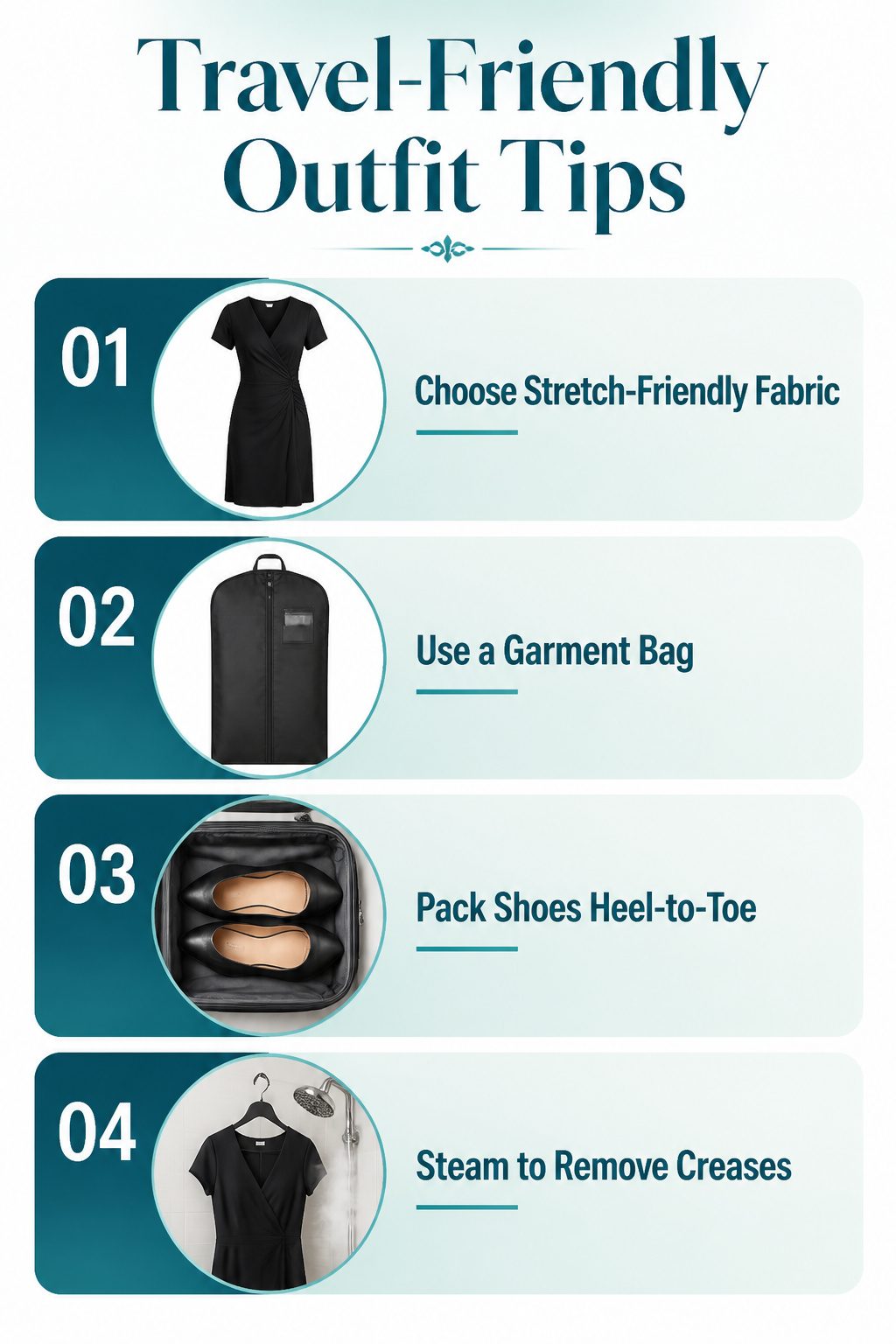
Destination funerals mean your black dress has to survive a flight and still look like you meant to be there. A travel-friendly dress with stretch that doesn’t cling is the piece that saves you here. It skips the need for fancy undergarments and works with shoes you can actually walk in. If it’s machine washable, even better.
Don’t fold your funeral clothes into a suitcase the way you would a t-shirt. A garment bag keeps the line of a blazer or dress intact, but if you have to fold, roll rather than crease and place the bundle on top so nothing crushes it. Wrinkle-resistant fabrics are the difference between stepping off a plane presentable and frantically asking the hotel for an iron you don’t have time to use.
Shoes need the same realism. A low heel, block heel, flat, loafer, or simple boot travels better and handles grass at a graveside without sinking or wobbling. Pack them heel-to-toe at the bottom of your bag so the weight works for you, not against the leather.
If you do land with creases, hang the piece in the bathroom while you run a hot shower. The steam pulls out most travel wrinkles without equipment. Ten minutes of that, and you look like you packed on purpose, not in the eleventh hour.
Frequently Asked Questions
Do I have to wear black to a funeral?
No. Navy, charcoal, deep plum, forest green, and chocolate brown all signal respect just as clearly. Black works but is never required unless the family specifies otherwise.
Can a woman wear pants to a funeral?
Yes. Tailored trousers or a dark pantsuit with a modest top are fully appropriate in most Western settings. Choose fabrics and cuts you would wear to a formal meeting, not casual or distressed styles.
What should I not wear to a funeral?
Avoid bright colors, neon, sequins, flashy prints, overly casual fabrics, and revealing cuts like plunging necklines or bare shoulders. The goal is polished simplicity that does not pull focus from the occasion.
What about makeup and jewelry?
Keep both minimal. Small stud or pearl earrings, a delicate chain at collarbone length or shorter, and a simple watch are enough. Skip anything that catches light, clicks, or swings during quiet moments.
Should I wear open-toe shoes to a funeral?
Closed-toe shoes in a dark color are the safer choice, especially for religious services. Simple open-toe shoes can pass in warm weather if they stay plain and low, but they risk drawing attention you do not want.