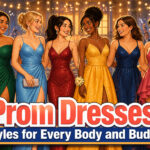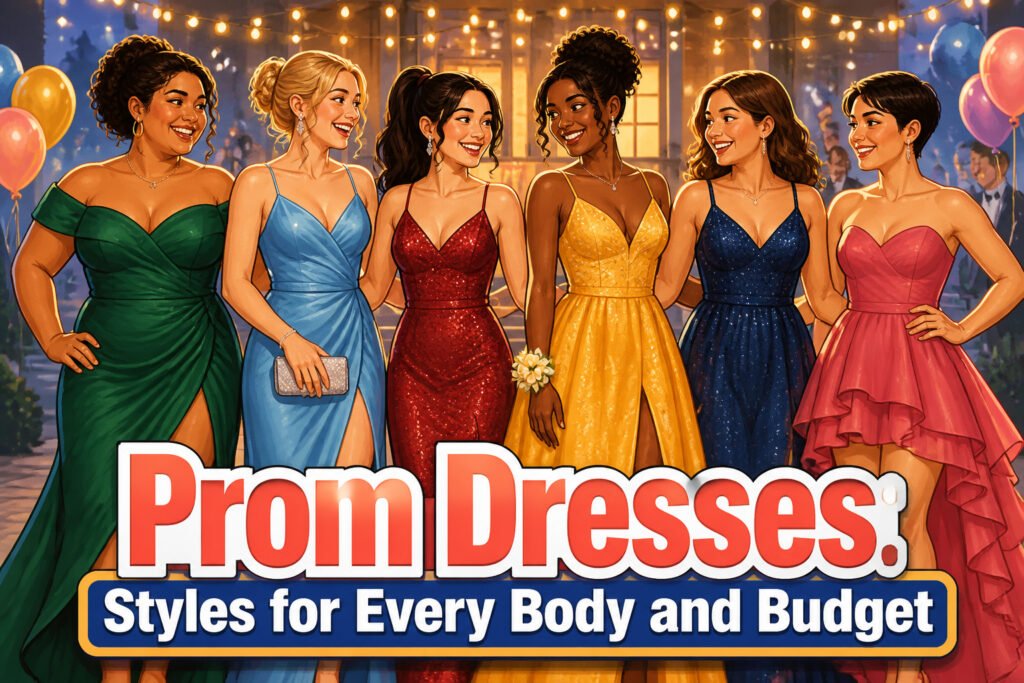
A prom dress is a formal gown worn to a high school prom, and the style you choose should match both your body and your actual budget, not an imagined one.
The difference between a $100 short dress you can wear again and a $400 ball gown that needs $150 in alterations is the condition that decides whether you spent wisely or simply spent.
Measure your bust, waist, and hips with a soft tape, then check those numbers against the exact size chart on the product page: formal sizing runs one to two sizes smaller than ready-to-wear, and guessing is how you end up holding your skirt all night or yanking a strapless bodice up between every photo.
1. Long Prom Dresses
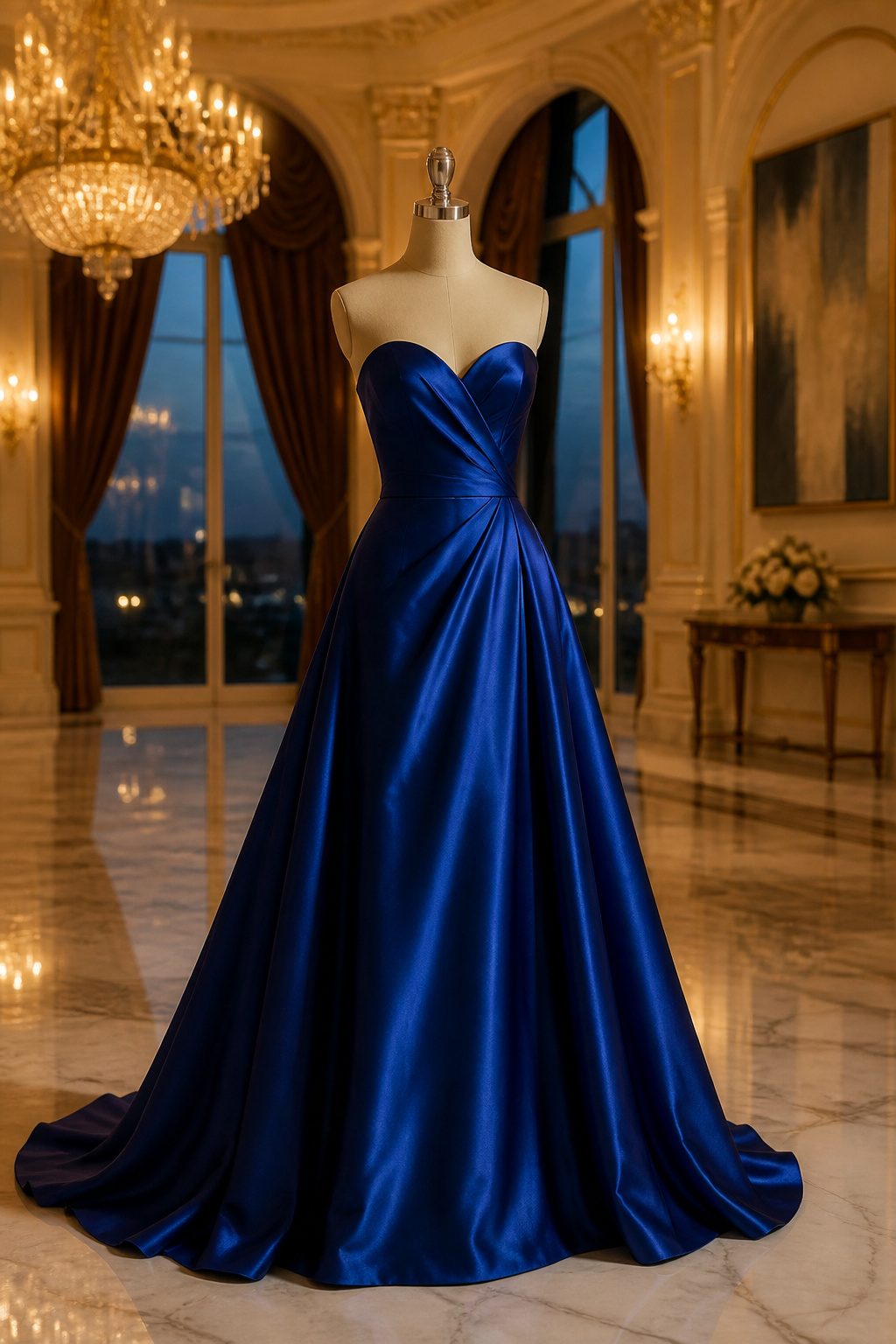
A floor-length gown is what most people picture when they think prom.
The skirt sweeps the ground, usually 58 to 62 inches from shoulder to hem depending on the designer, and the formality of that length makes it the default choice for hotel ballrooms and rented venues with black-tie dress codes.
Long prom dresses run $100 on the low end and climb past $400 once you add structure, beading, or a train.
The investment makes sense if your venue is strict about formality, but check the listed measurements against the heels you actually plan to wear.
An A-line or sheath in a longer cut moves easier than a ball gown, while a train adds drama to your entrance and a headache on the dance floor.
If you are set on long, order early enough to hem. Even an inch too long and you are holding your skirt all night; an inch too short and the formal effect collapses entirely.
2. Short Prom Dresses
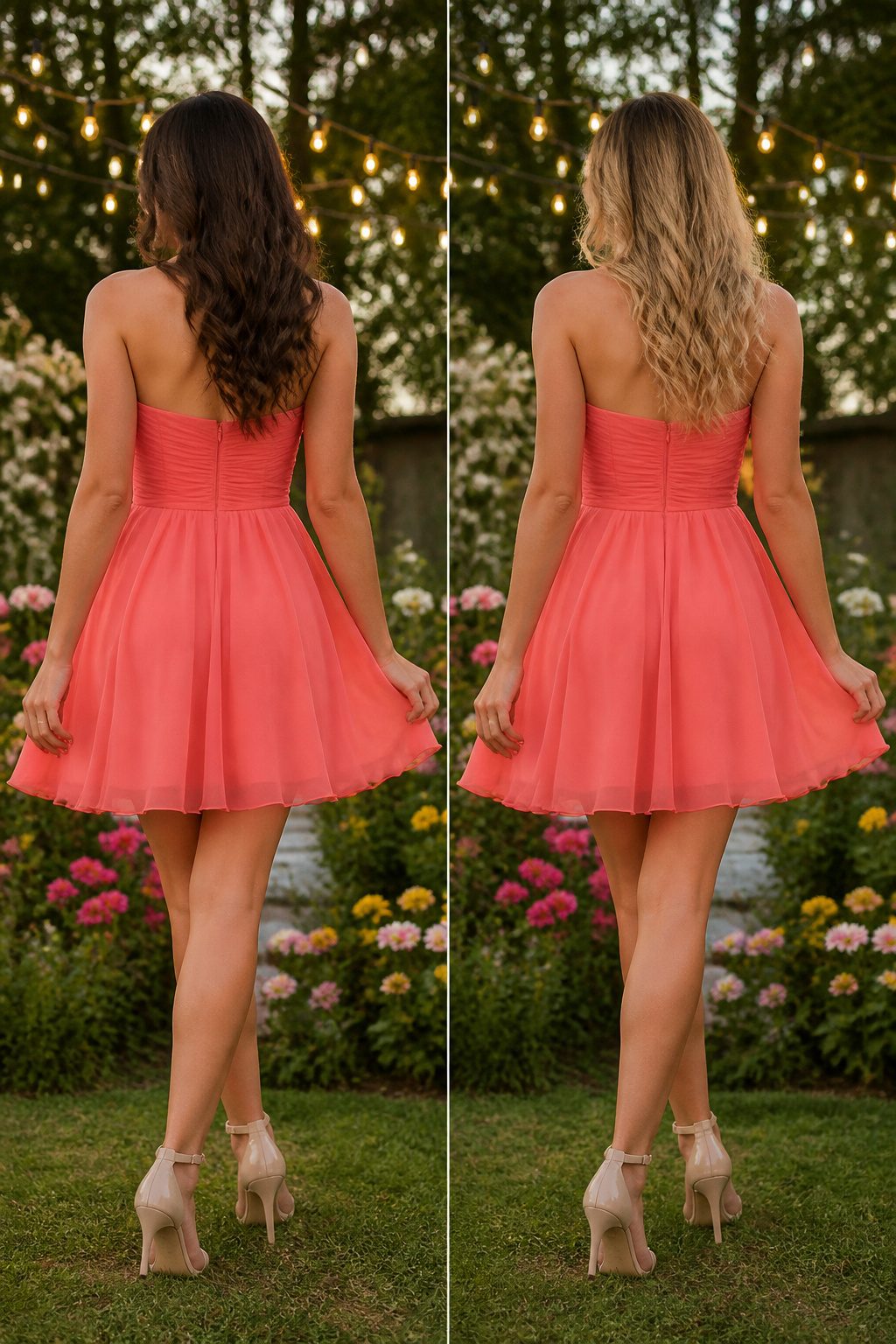
Short prom dresses run from mini to knee-length and occasionally graze tea-length territory, giving you a fresh, energetic feel that reads as playful rather than formal.
These lengths work best for schools with relaxed dress codes, outdoor venues, or after-parties where you want to move without managing a skirt.
The real advantage is re-wearability: a knee-length dress in a solid color can shift to graduation parties, summer weddings, or dinner dates with different shoes, while a floor-length gown usually stays in the closet after May.
Movement matters too. Short styles let statement shoes become part of the look and make dancing easier, since you are not stepping on hem or holding fabric to walk.
For sizing, check the listed measurements against your plan for heels, just as you would with a long gown.
The silhouette still counts, whether A-line, sheath, or fit-and-flare, but the shorter length forgives more, so you can prioritize comfort without losing structure.
3. Plus Size Prom Dresses
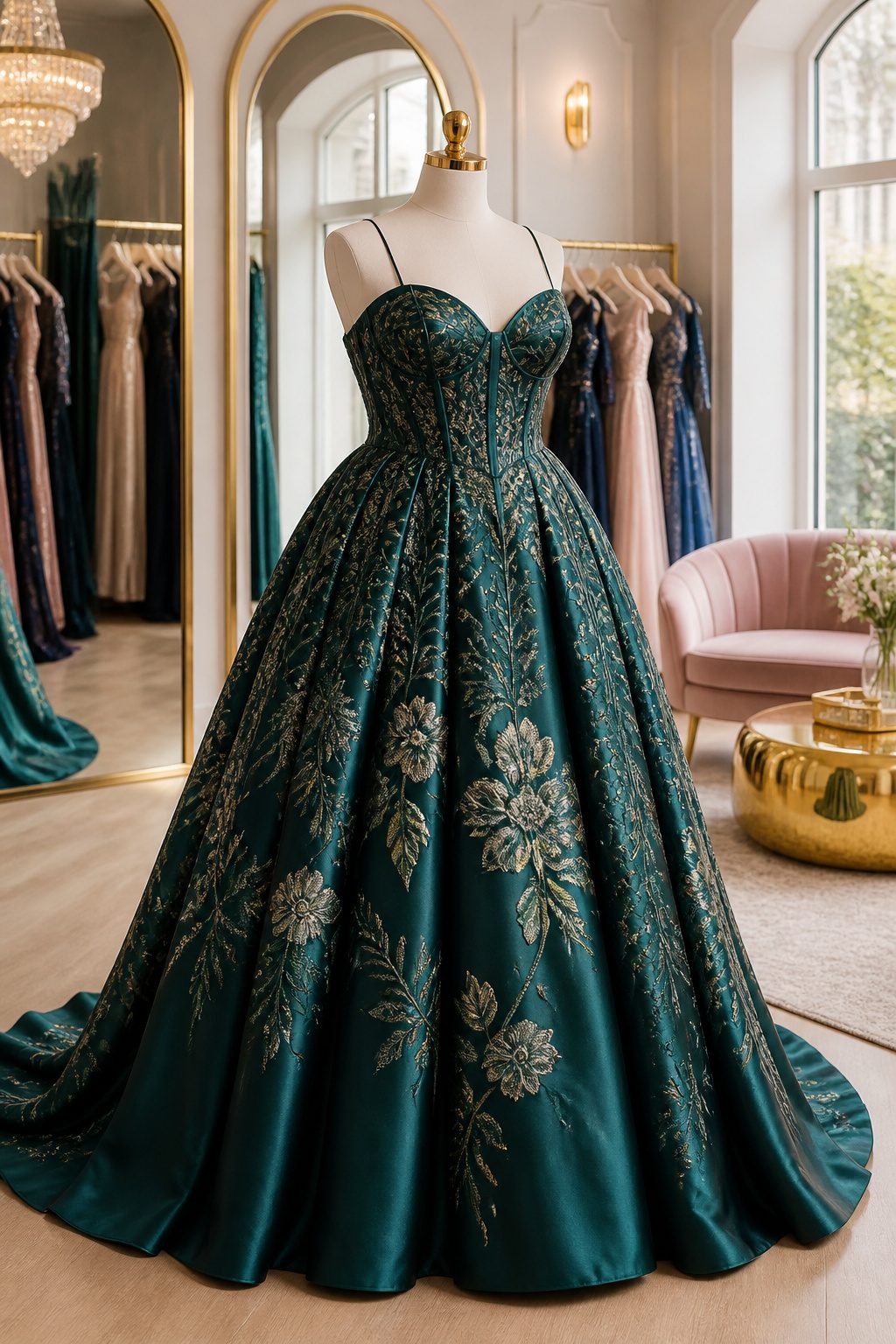
Plus size prom dresses are built with the same range of silhouettes as any other line, and the ones that work best tend to share a few construction details.
Look for structured bodices, strategic seaming, and skirts with enough volume to balance the waist without adding bulk where you do not want it. The number on the tag is the least useful piece of information you have.
Formal-dress sizing runs smaller than ready-to-wear, and the gap between brands can be one to two full sizes.
Measure your bust, waist, and hips with a soft tape, then check those numbers against the size chart on the exact product page. Do not assume the size you wear at a department store transfers over.
A dress that gaps at the bust or pulls across the hips will read as cheap even if it cost four hundred dollars, while one that fits correctly flatters at every price point.
If your measurements fall between sizes, order both and return the loser. The twenty minutes of extra effort beats standing in front of a mirror on prom night wondering why the dress does not look like the photo.
4. A-Line Prom Dresses
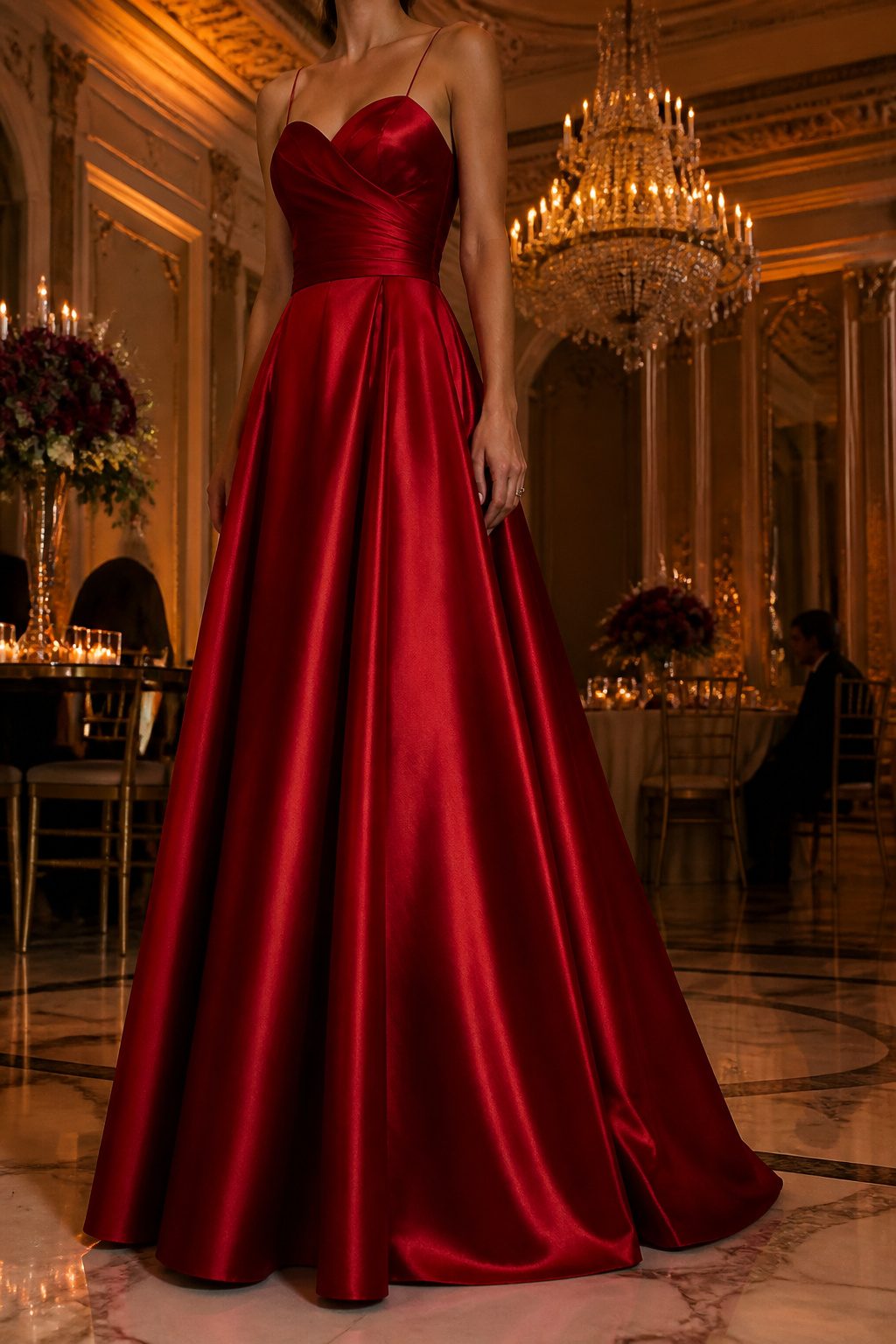
An A-line prom dress pins close through the bodice and shoulders, then widens in a gradual slope to the hem.
That shape is why it works on most bodies: the fitted top defines where you are smallest, and the flare skims past hips and thighs without clinging.
You get structure without the squeeze of a mermaid cut or the volume of a ball gown.
The same cut carries you from the posed photos through four hours of standing, sitting, and dancing.
A full skirt needs constant adjusting; a sheath can ride or bunch. The A-line lands in the middle: formal enough for the stage, relaxed enough that you are not counting the minutes until you can change.
If you are buying one dress to wear to prom and maybe again to a summer wedding, this is the shape that does both without looking like you recycled.
5. Mermaid Prom Dresses
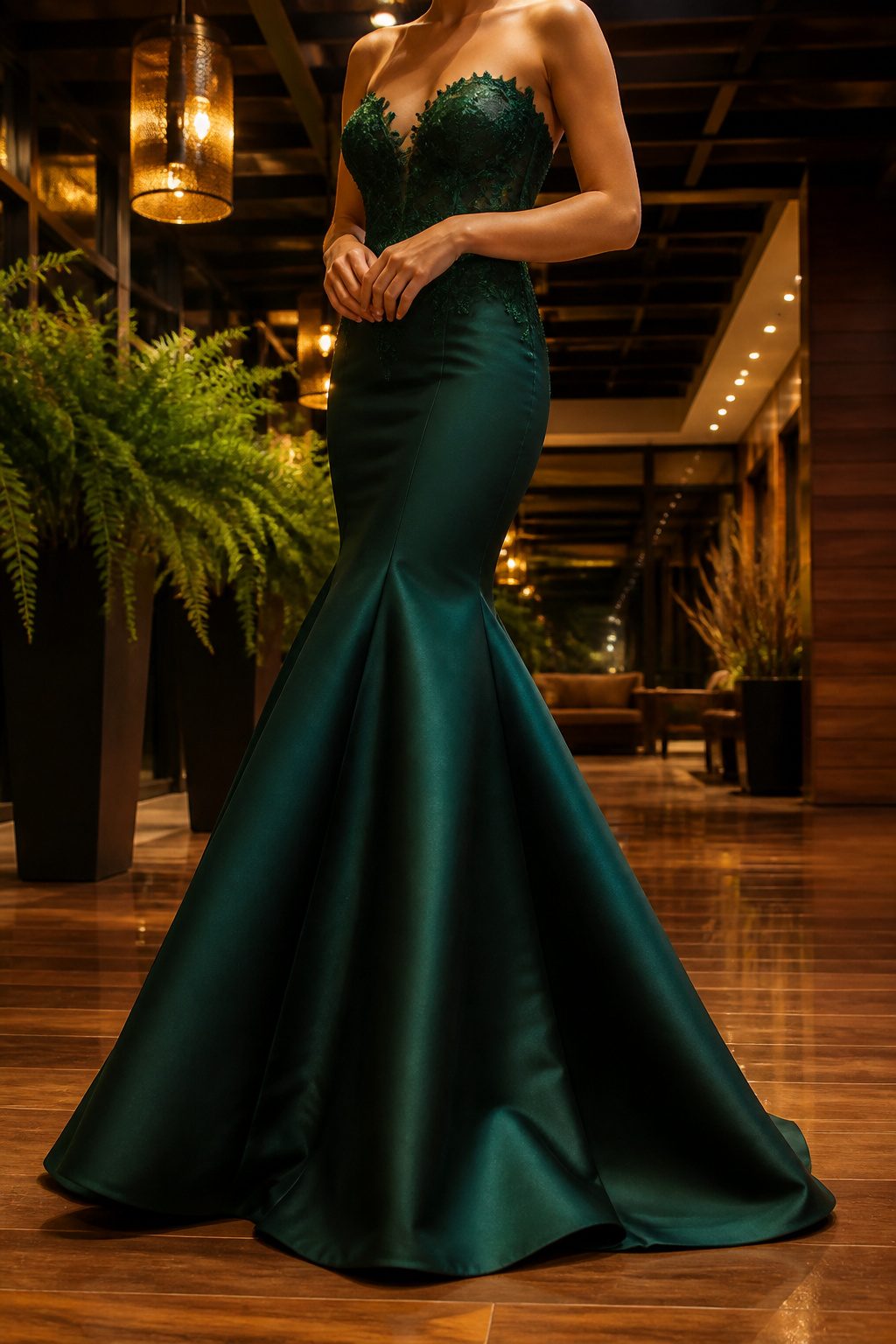
A mermaid prom dress fits close through your bust, waist, and hips, then flares at or below the knee into a skirt that can range from a soft bell to a dramatic train.
That flare point is everything: too high and the dress reads trumpet, too low and you lose the silhouette entirely.
The style demands precision. An inch of gaping at the waist ruins the line, and the fitted skirt through the thighs restricts your stride.
You will take smaller steps and sitting requires planning. This is a dress for a wearer who moves with intention, not someone who wants to forget what she is wearing.
It works when your proportions let the seam hit exactly at the right spot and the fabric has enough structure to hold the flare without collapsing.
It fights you when the fit is off by even a little, because there is no drape to hide behind.
If you are between sizes or carrying weight through the midsection, the same dress that looks sculptural on one body can look strained on another. The difference is tailoring, and tailoring costs.
For occasions where you will stand, pose, and make an entrance, the payoff is real. For a night of sitting, dancing, and squeezing through crowded tables, the trade is steeper.
6. Ball Gown Prom Dresses
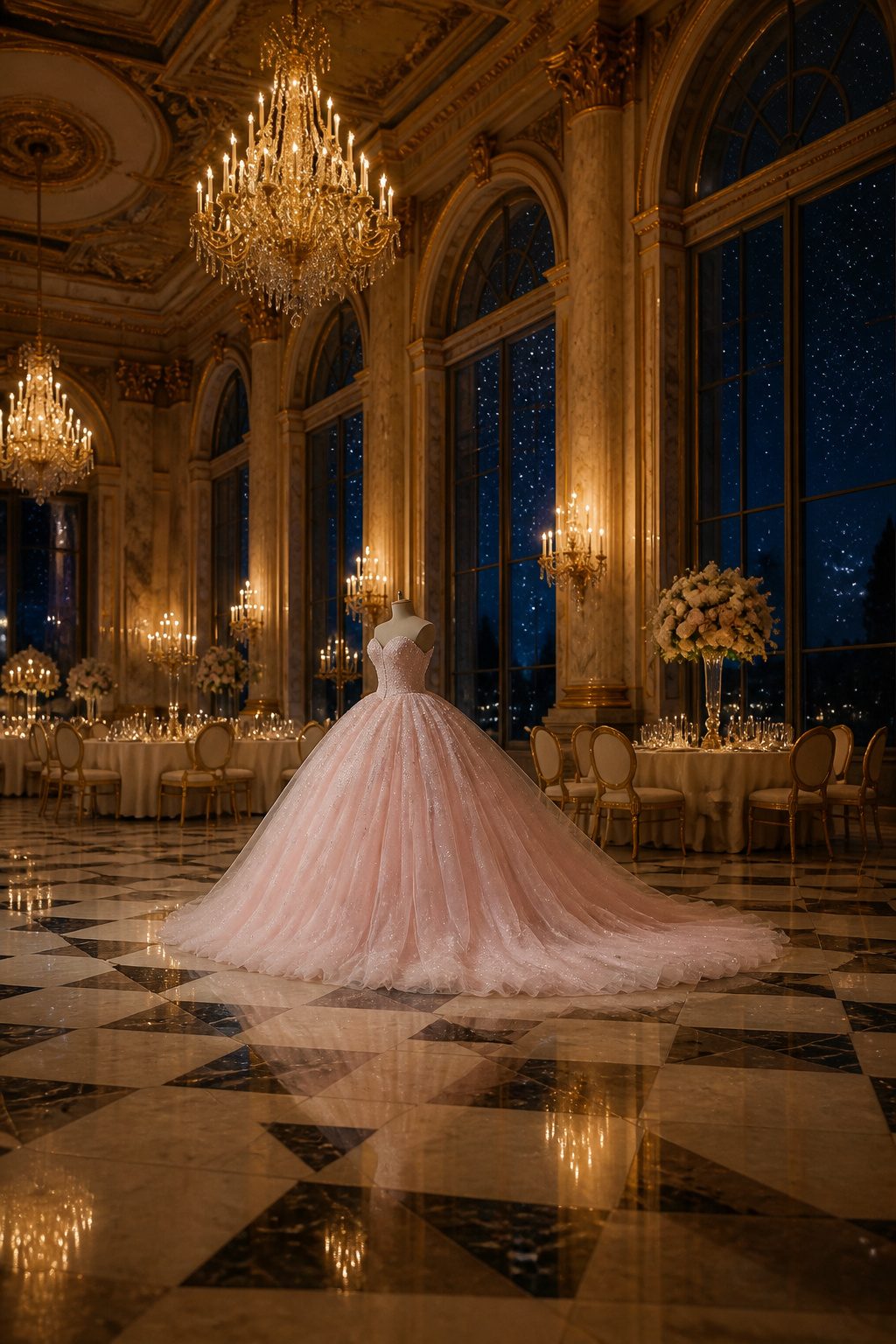
A ball gown prom dress anchors the formal end of the scale: fitted bodice, full skirt that stands away from the body, the silhouette that defines "prom" for most people.
That volume photographs beautifully under lights, the skirt catching movement in a way slimmer cuts cannot match. What convinced me, reading through a dozen of these, is how often the dream runs into practical cost.
The skirt eats fabric, so alterations run higher than on an A-line.
Hemming a full circle skirt takes hours, not minutes. Seated dinner?
The tulle or crinoline underneath spreads across your lap and the chair beside you; you will negotiate space all night. Dancing requires the same negotiation, though the skirt hides comfortable shoes completely, which is its own win.
The bodice fit matters most. A seamstress can take in a waist, but raising or lowering a too-long bodice ruins the line.
Budget for tailoring in the dress cost from the start, not as an afterthought. The ones that work best have some structure in the bodice, boning or heavy interfacing, so the dress holds its shape without constant adjustment.
7. Strapless Prom Dresses
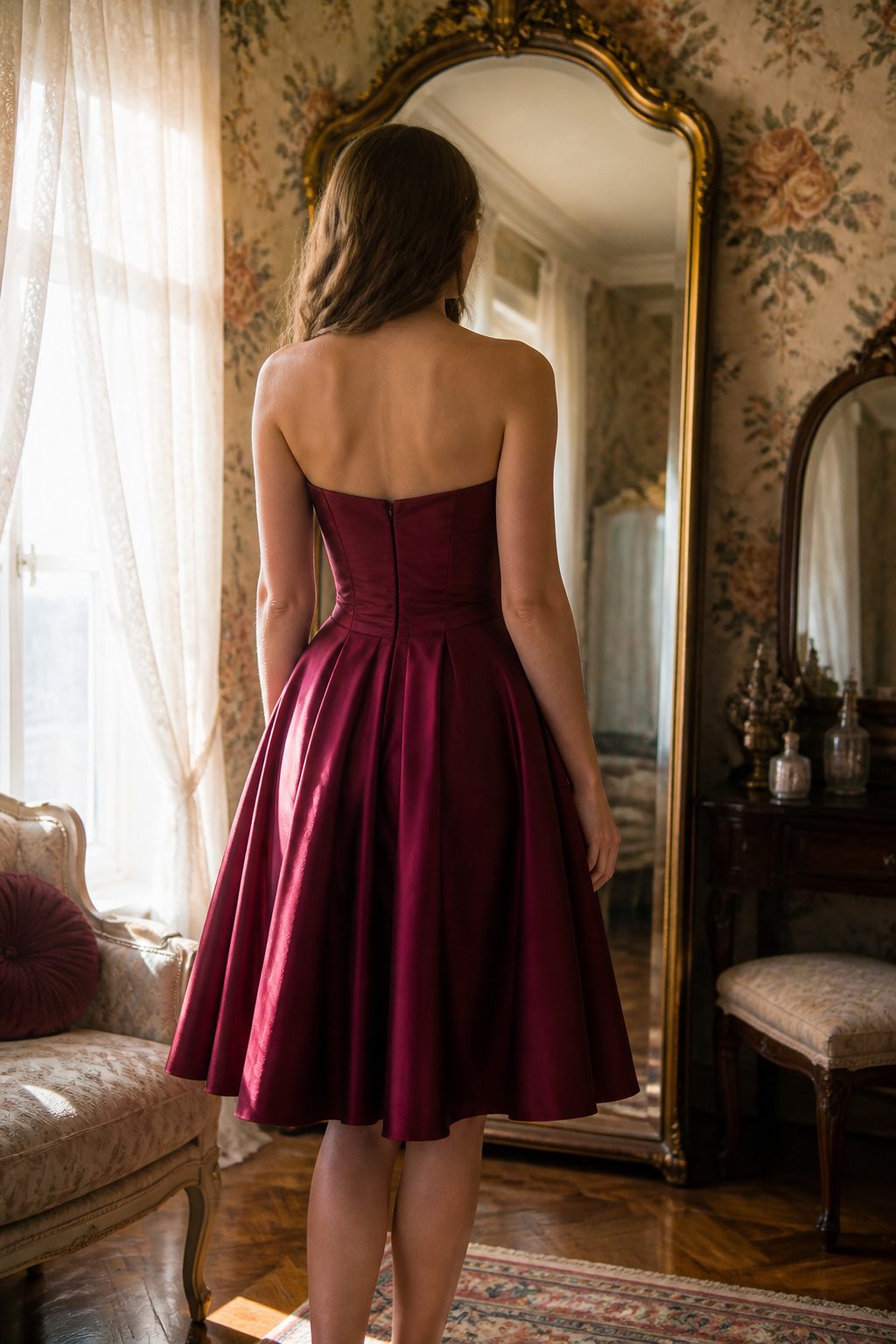
A strapless prom dress leaves your shoulders and collarbone completely bare, which sounds simple until you try dancing in one that slips.
The ones that stay up earn their price through structure you never see: internal boning that runs vertically through the bodice to replace what straps would hold, plus silicone grip strips along the inner top edge that cling to skin without irritation.
Skip any strapless dress that has neither, or you will spend your night yanking fabric upward.
This neckline favors anyone with defined shoulders or a fuller bust, since the horizontal line draws the eye outward and balances volume below.
If you are narrower through the shoulders, strapless can still work, but look for a bodice that curves slightly inward at the top rather than cutting straight across. It will read as intentional rather than overwhelming.
What confuses some shoppers is that strapless describes only the neckline, not the shape beneath it.
The same bare-shoulder top can anchor a fitted sheath, a flared A-line, or a dramatic ball skirt. Your body type matters less in whether you can wear strapless at all and more in which of those pairings you choose.
8. Floral Prom Dresses
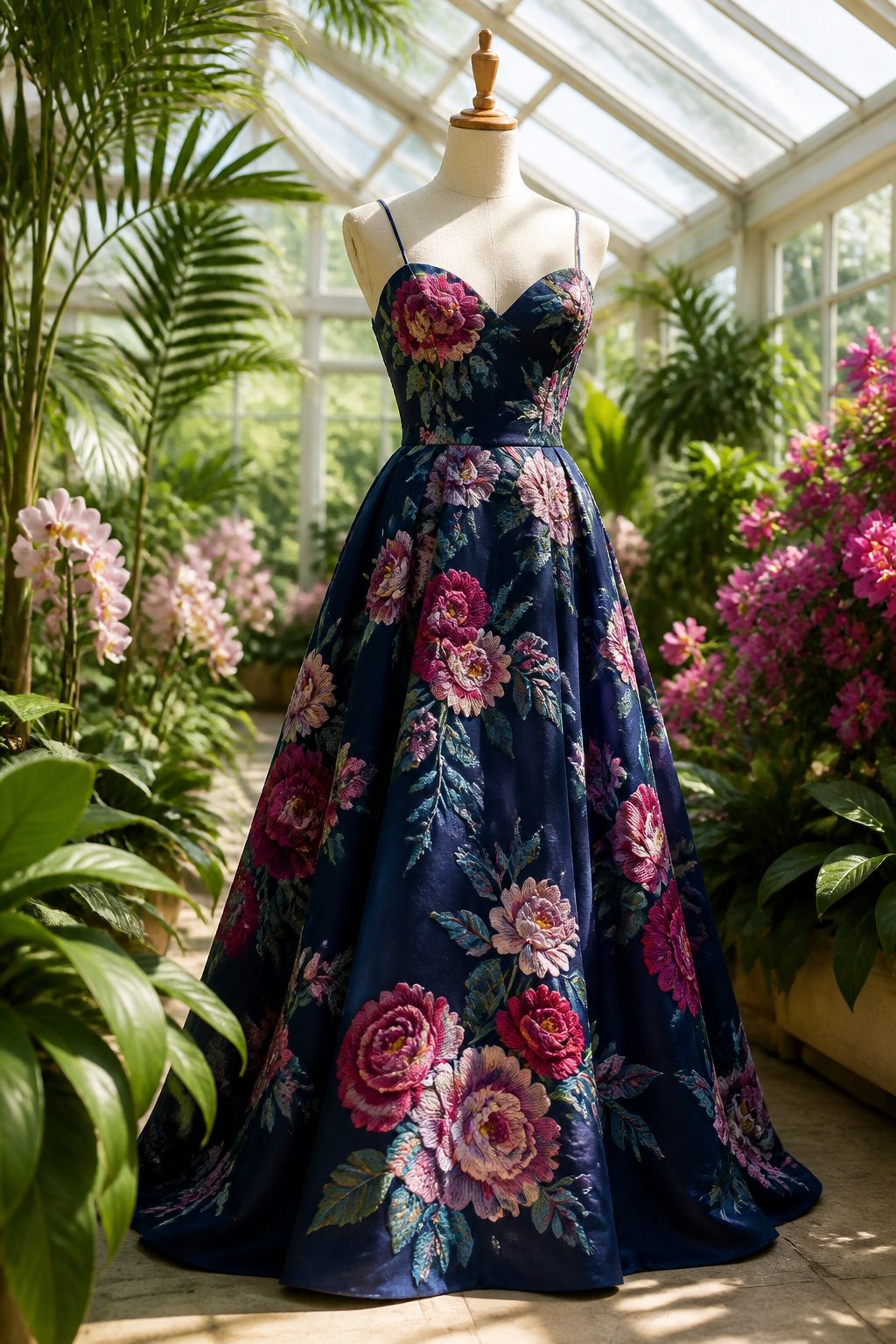
Printed floral prom dresses sit right where spring proms want to be: seasonal without looking like a costume.
The trick is in the execution. Embroidered florals read more expensive than printed ones, and they last better through a long night of sitting and dancing where a cheap screen print might crack or shine under flash photography.
Large-scale botanical prints on dark grounds look current for 2026; the small scattered roses that dominated five years ago now feel like the dress equivalent of a dated Instagram filter.
If you are shopping printed, look for asymmetric placement or a single trailing vine rather than an all-over repeat.
Embroidery gives you texture that photographs well even in dim ballroom light, though it adds weight you will feel by hour three.
For a spring prom specifically, a pale ground with muted florals works indoors and still feels intentional if the weather turns warm enough for photos outside.
The risk with floral is always reading bridesmaid rather than prom; avoid anything that looks like it could be ordered in bulk for a wedding party.
One bold stem, one dark ground, one unexpected color in the mix: that is usually enough to keep it yours.
9. Two-Piece Prom Dresses
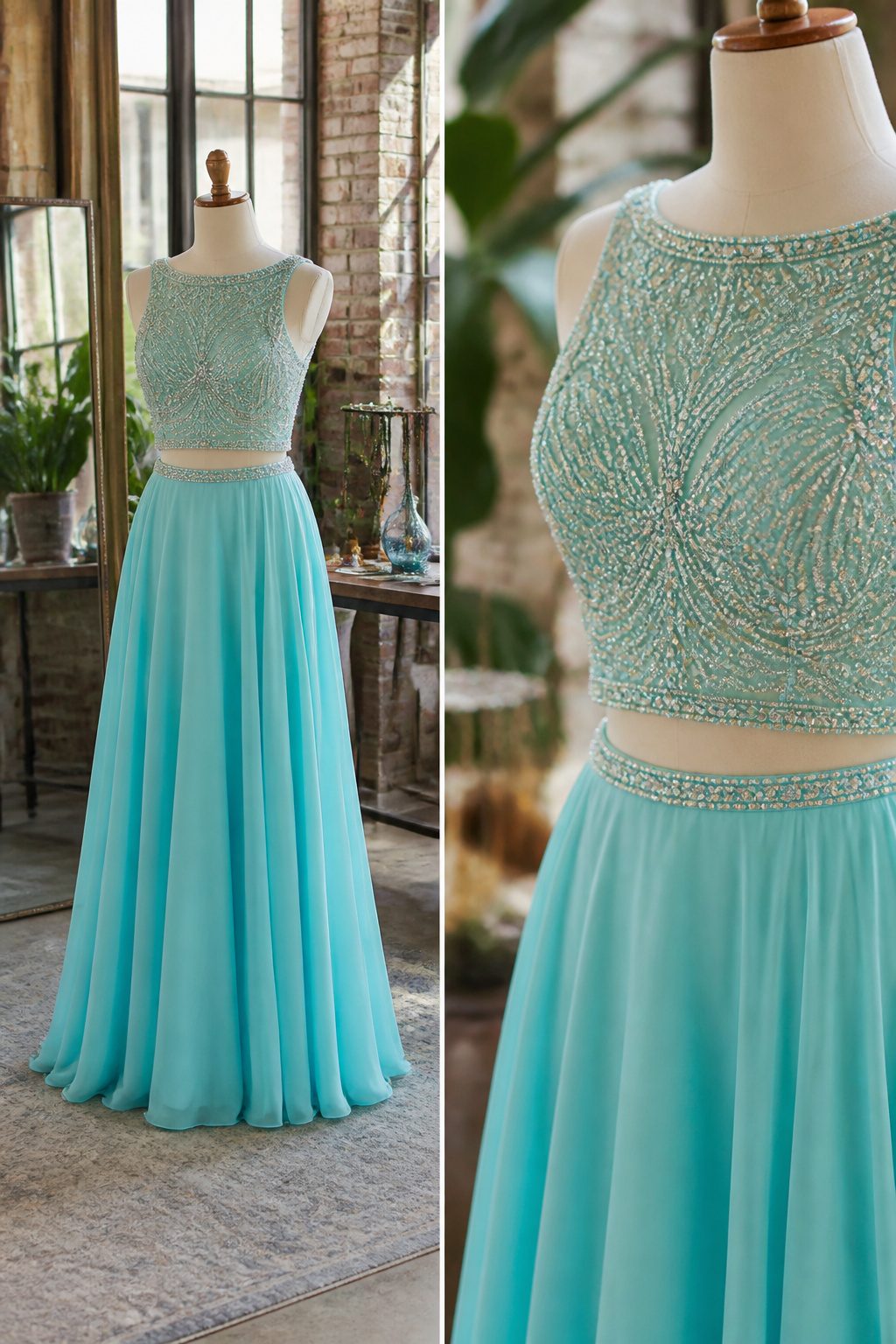
A two-piece prom dress pairs a crop top with a separate skirt, usually with a gap of a few inches at the midriff. That gap is the whole point, and also the whole problem.
The format gives you real mix-and-match flexibility. You can swap either piece for something else from your closet later, which already puts it ahead of most prom dresses in terms of re-wearability.
A solid skirt works with a tucked-in tank top for summer dinner; a beaded top can sit over high-waisted jeans.
The catch is the skin showing. The gap flatters a defined waist, but if you are self-conscious about your midsection, you will spend the night pulling at fabric or angling away from cameras.
Some versions keep the top and skirt connected with mesh or lace, which reads as two-piece but hides the stomach. That compromise costs you some of the re-wearability, since the pieces stay attached.
For re-wearability, plain fabrics beat sequins and the skirt should hit at true waist, not empire line. A high-waisted skirt with a one-inch gap looks deliberate; a low skirt with four inches of bare skin looks like a sizing mistake.
10. Corset Prom Dresses
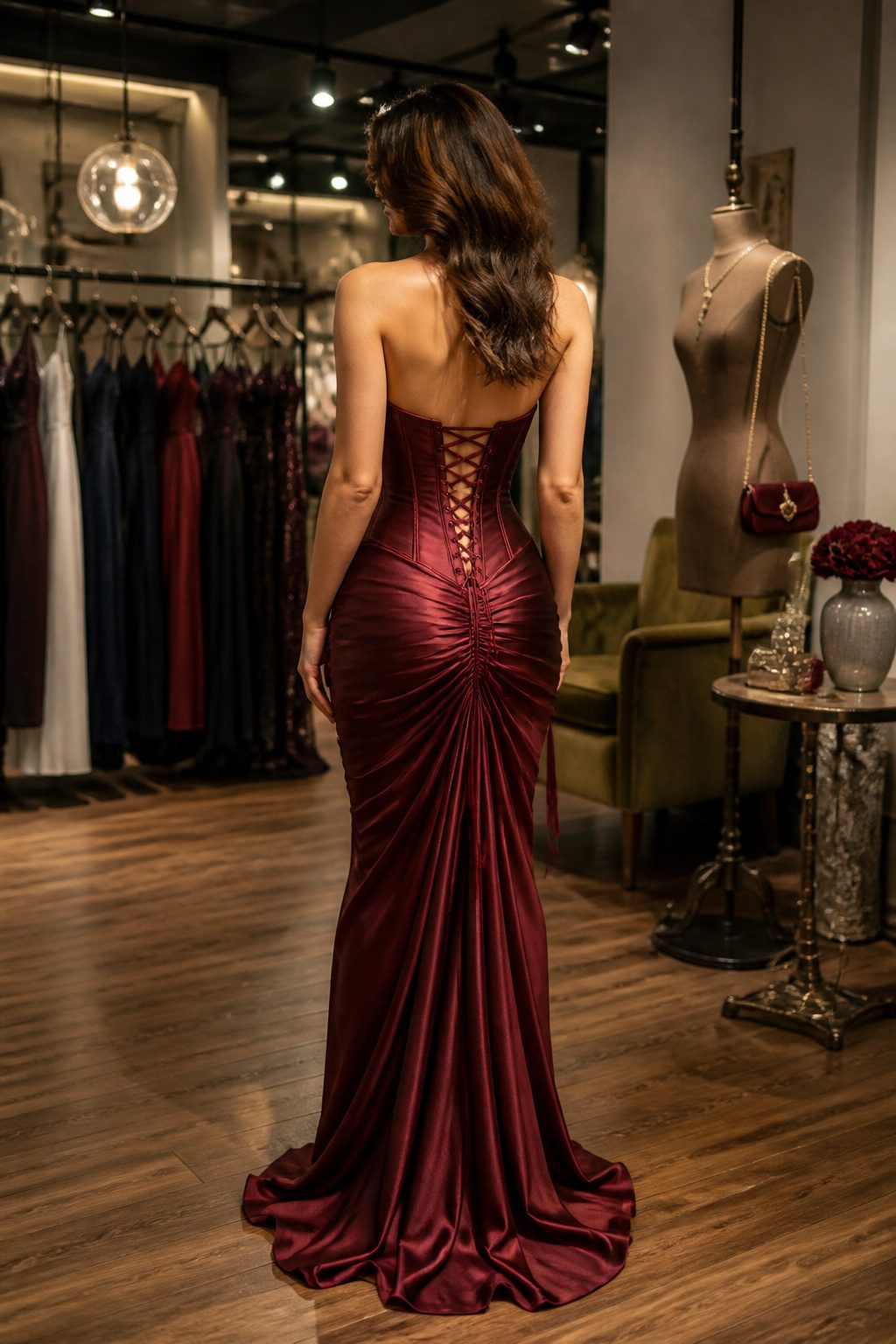
A corset prom dress builds its shape from the inside out.
The bodice carries vertical strips of boning, thin and rigid, that run from the bust to the waistline. These keep the fabric from collapsing against your body and create that hourglass line without constant adjusting.
The lacing up the back can be functional or purely for show, and the difference matters if you plan to wear the dress more than once.
Functional lacing lets you tighten or loosen the fit across your ribs and waist, which helps if your measurements fall between standard sizes or if you want to eat dinner comfortably.
Decorative lacing is stitched in place and only looks like it adjusts; the real closure is usually a zipper hidden underneath.
The structured bodice does the work a strapless dress asks of your body instead.
You get support without tugging the top up every ten minutes, and the shaping tends to photograph well from the side. The tradeoff is weight and rigidity.
A fully boned bodice feels more like armor than fabric, especially after four hours in a crowded gym. If you dance hard or sit for long stretches, test whether the waist seam digs in when you bend.
Some styles carry the structure only through the front panels and leave the back soft, which helps but changes the silhouette. Know which version you are trying on before you decide.
Popular Colors for Prom Dresses
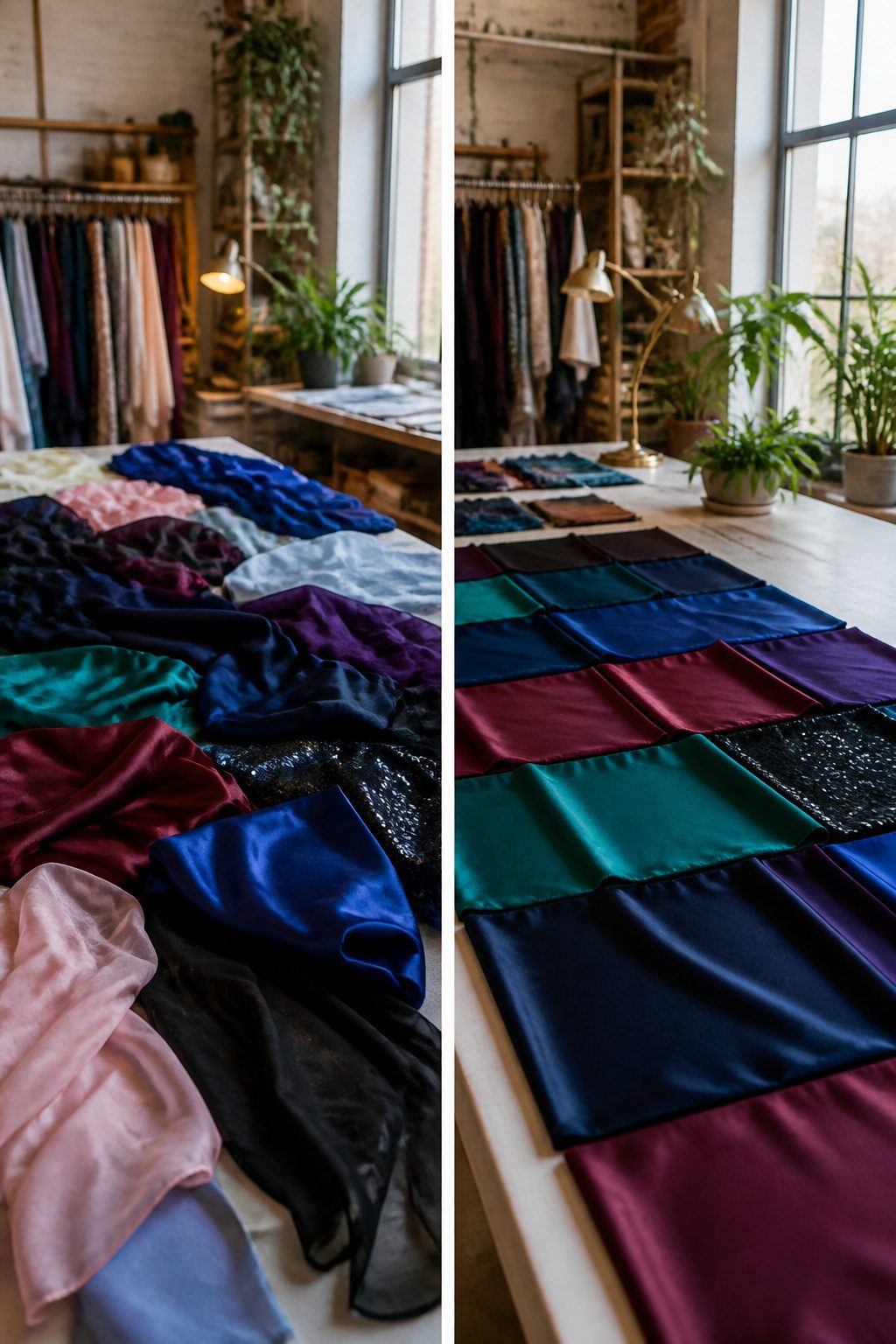
Black, red, royal blue, navy, green, pink, and purple are the colors that keep showing up year after year. Softer shades like blush, lilac, and light blue work if you want something romantic rather than statement-making.
The color you pick changes how the dress reads in person and in photos.
Royal blue and navy photograph reliably; they stay rich under fluorescent gym lights and phone flashes alike. Black reads polished but can flatten into a dark blob in low light unless the fabric has some sheen or texture.
Red and hot pink hold their saturation, which is why they dominate the dance floor shots that circulate afterward. Emerald and darker greens add depth without the harshness of pure black.
Metallics and jewel tones make a stronger statement than pastels, though that strength can shift toward harsh under certain venue lighting.
Blush and lilac read softer in daylight or well-lit spaces; they can wash out under dim or heavily colored lights.
Skin tone matters in this choice, but not the way old rules pretend. The shade that makes you feel your best is the one that registers as confidence in person and in photos.
If you are deciding between two colors, test them in lighting close to what the venue will use, not just in front of a window at noon.
Common Fabrics and What They Do
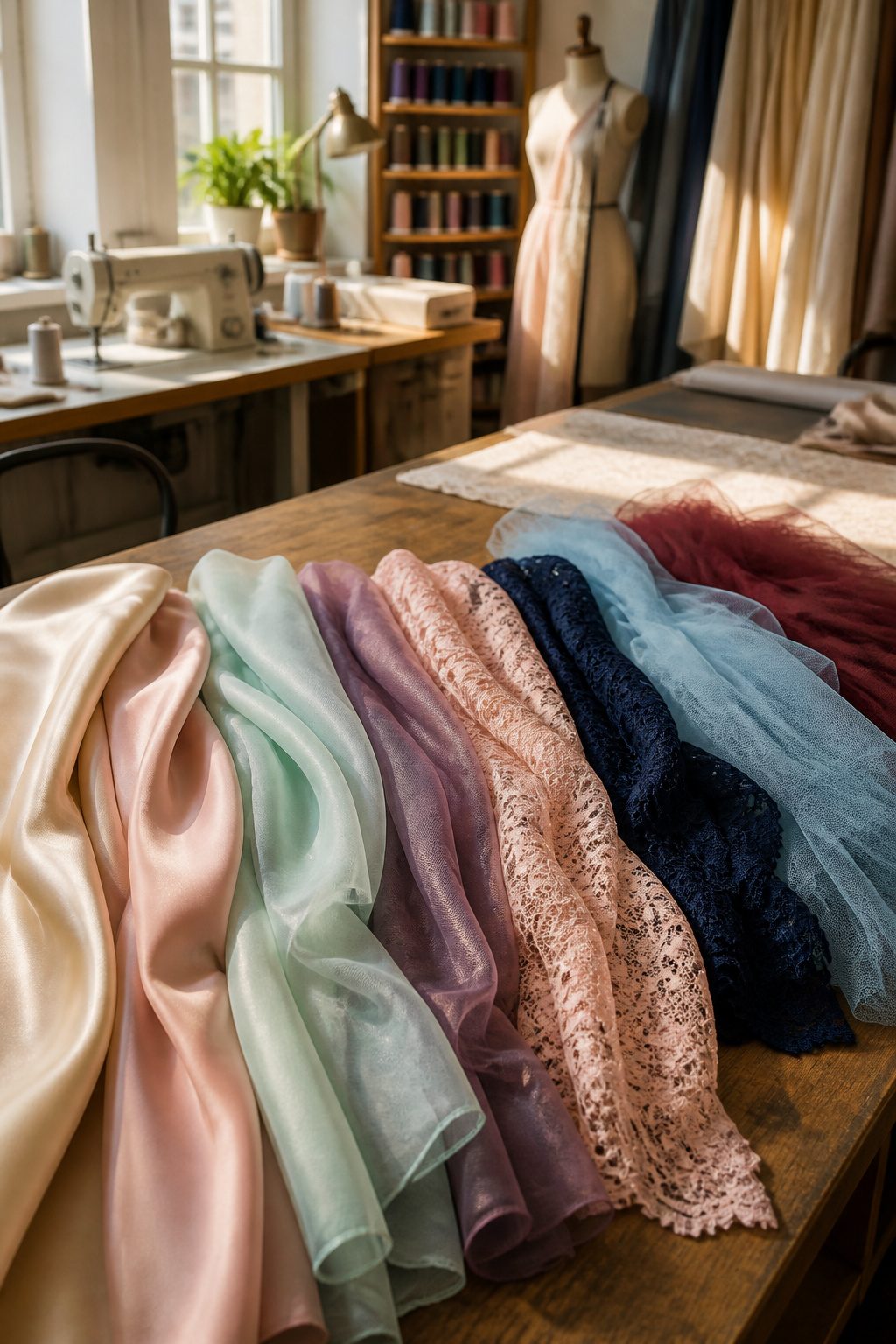
Satin carries a smooth sheen that catches light with every step, making it the fabric photographers love and the one that shows every water spot by hour three.
It suits fitted silhouettes where the drape needs to hold its shape, but the weight can feel hot in a packed ballroom.
Chiffon moves like air, light and fluid across the legs.
It photographs soft rather than sharp, forgiving of flash and awkward poses alike, and it stays comfortable through a four-hour event. Layer it for volume or leave it sheer for a skirt overlay that breathes.
Lace adds texture without bulk, works best as sleeves or bodice panels where you want detail without competing jewelry, and reads romantic in person but can photograph busy against patterned backgrounds.
Tulle builds the volume you see in ball gowns and tiered skirts, holds its shape all night, and costs less than structured alternatives. The tradeoff is the itch factor at waistbands and armholes after hour two.
Sequins deliver the high-impact sparkle that reads instantly on a dance floor and in phone footage.
They suit sheath and column shapes where the fabric does the work, but the weight drags on shoulders and the backing traps heat. Budget $150–$250 for sequin work that stays intact; loose threads at the hemline show up in every photo.
How to Measure for the Right Fit
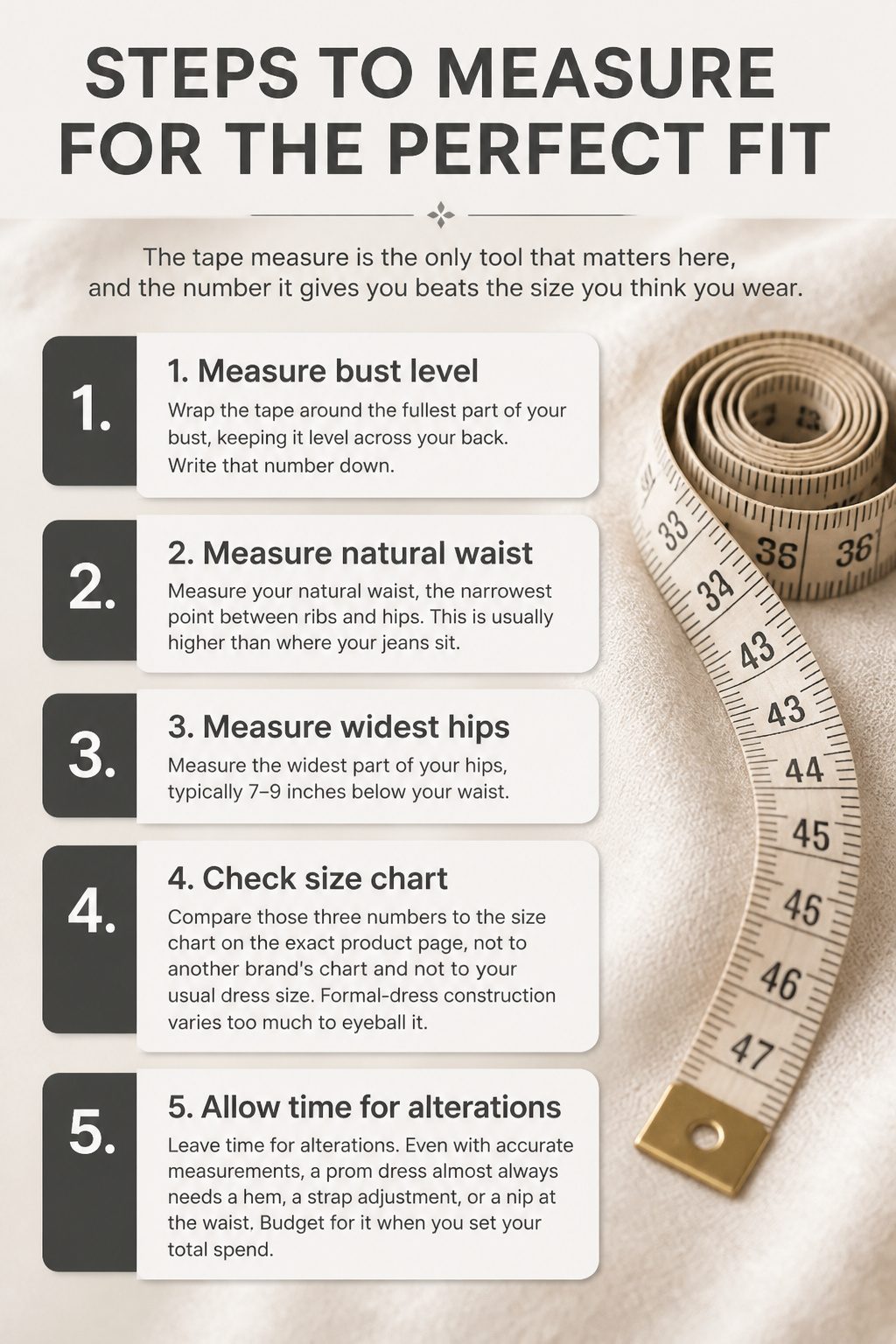
The tape measure is the only tool that matters here, and the number it gives you beats the size you think you wear.
- Wrap the tape around the fullest part of your bust, keeping it level across your back. Write that number down.
- Measure your natural waist, the narrowest point between ribs and hips. This is usually higher than where your jeans sit.
- Measure the widest part of your hips, typically 7–9 inches below your waist.
- Compare those three numbers to the size chart on the exact product page, not to another brand’s chart and not to your usual dress size. Formal-dress construction varies too much to eyeball it.
- Leave time for alterations. Even with accurate measurements, a prom dress almost always needs a hem, a strap adjustment, or a nip at the waist. Budget for it when you set your total spend.
Long or Short: How to Decide
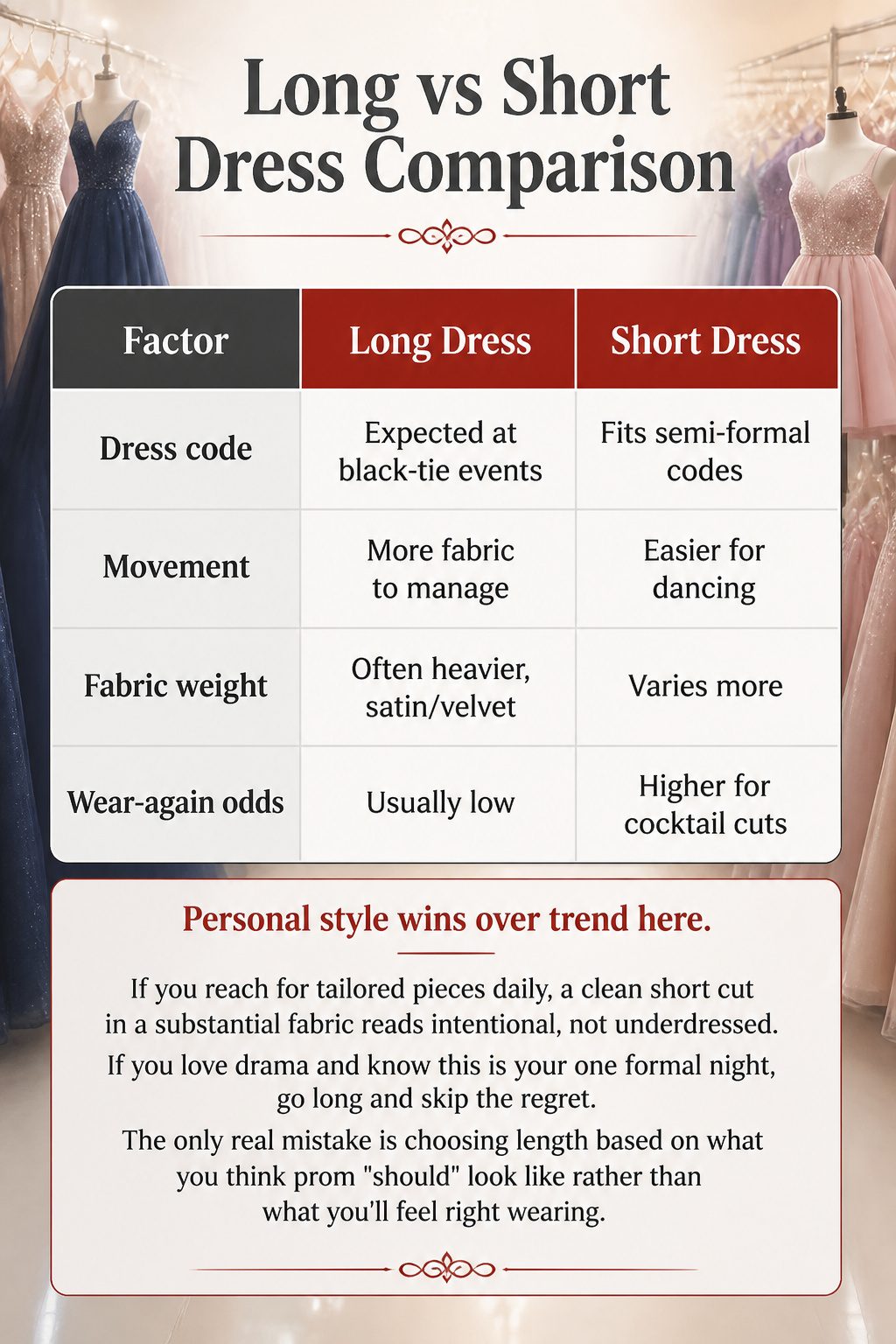
Start with your school’s dress code. A long gown reads formal and dramatic, while a short dress reads playful and moves easier on the dance floor.
Venue matters too: a hotel ballroom leans toward long, a rented loft or garden tent opens the door to shorter cuts.
| Factor | Long Dress | Short Dress |
|---|---|---|
| Dress code | Expected at black-tie events | Fits semi-formal codes |
| Movement | More fabric to manage | Easier for dancing |
| Fabric weight | Often heavier: satin, velvet, silk | Varies more |
| Wear-again odds | Usually low | Higher for cocktail cuts |
Personal style wins over trend here.
If you reach for tailored pieces daily, a clean short cut in a substantial fabric reads intentional, not underdressed. If you love drama and know this is your one formal night, go long and skip the regret.
The only real mistake is choosing length based on what you think prom "should" look like rather than what you’ll feel right wearing.
Frequently Asked Questions
What styles of prom dresses are available?
Long gowns, short dresses from mini to knee-length, A-line, mermaid, ball gown, strapless, floral, two-piece, and corset styles are all common options.
Each silhouette serves a different level of formality and movement, so the best choice depends on your venue, dress code, and how much you plan to dance.
What colors are best for prom dresses?
Black, red, royal blue, navy, green, pink, and purple are the shades that show up reliably year after year.
Royal blue and navy photograph well under any light, red and hot pink hold saturation on the dance floor, and pastels like blush or lilac read romantic but can wash out under dim venue lighting.
How do I choose the right size for a prom dress?
Measure your bust at its fullest point, your natural waist at the narrowest point, and your hips at their widest, then compare those three numbers to the size chart on the exact product page.
Formal-dress sizing runs smaller than ready-to-wear and varies between brands, so do not assume your department-store size transfers over. If you fall between sizes, order both and return the one that does not fit.
Should I choose a long or short prom dress?
Base the decision on your school’s dress code, the venue, and your personal style, not on what prom is "supposed" to look like.
Long reads formal and dramatic, ideal for ballrooms and black-tie events, while short feels playful, moves easier for dancing, and has better odds of being worn again. Tailored short cuts in substantial fabrics can look fully intentional rather than underdressed.