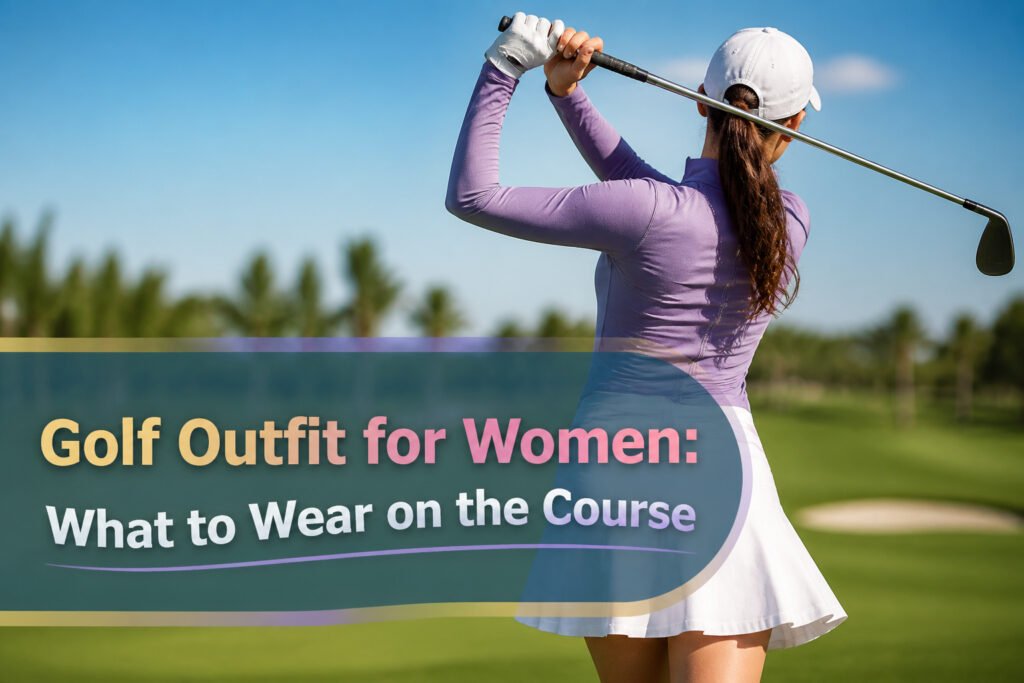
A golf outfit for women is built around performance pieces that move from the course to the rest of your day without a change in the parking lot. The catch is that most beginners overspend on single-purpose gear or default to cotton, which clings and sags by the fourth hole. The Lululemon Define jacket and the G/Fore Knockout A-line skort at $165 both prove the better move: cuts fitted enough to swing in, structured enough to wear straight to lunch.
Tops
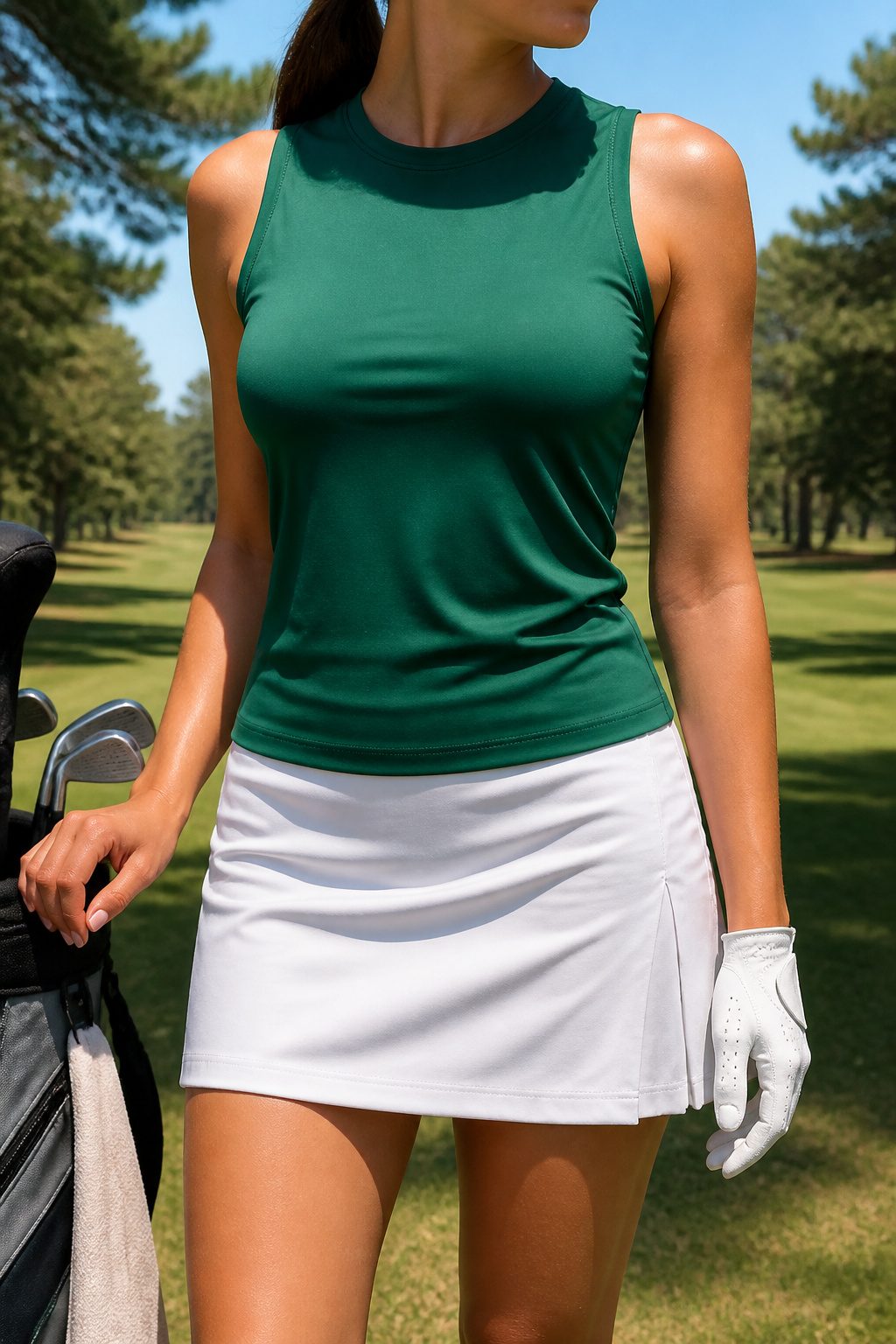
Modern golf tops have moved well past the traditional pastel polos that once dominated the course. You will now find polos in deep jewel tones, black, and even prints that work straight into a casual lunch afterward. The same shift applies to sweaters, quarter zips, and vests: they look like pieces you already own, not costume versions of themselves.
Performance fabrics need to breathe and wick moisture, full stop. A cotton polo looks crisp for two holes, then clings and sags. Look instead for polyester blends or merino wool layers that handle sun and sudden temperature drops without needing a mid-round change. Tank tops work for hot days if your course allows them; long-sleeve UV shirts serve the same purpose while covering your arms. Sweatshirts and hoodies belong on the course only in cooler months and at more relaxed clubs, where a clean quarter zip or vest usually reads as more intentional. The Lululemon Define jacket works as a reliable layering piece here: fitted enough to swing in, structured enough to look finished if you wear it straight to the parking lot.
Bottoms
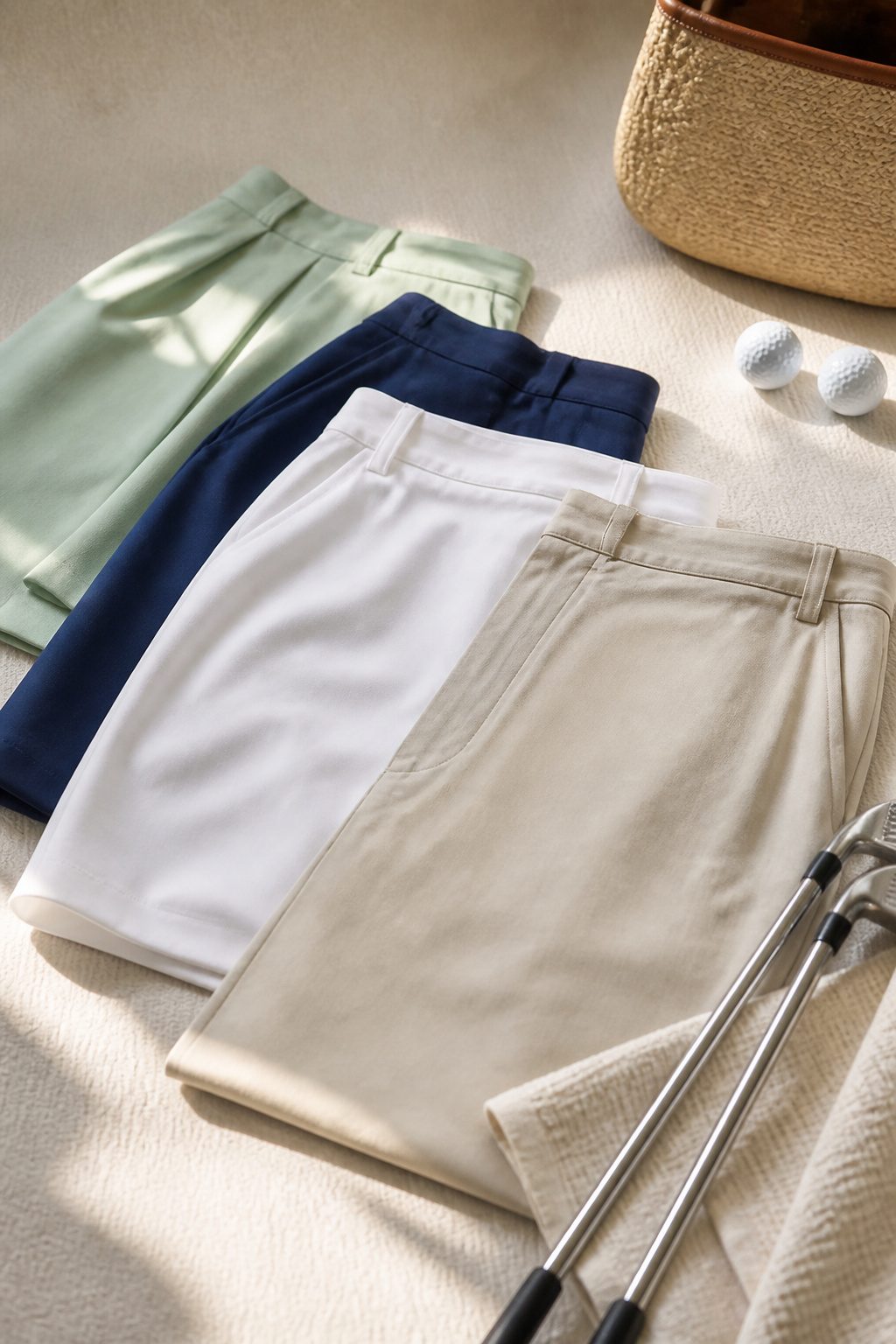
Skirts, shorts, pants, and joggers all have their place, but a skort is where coverage and mobility actually balance out. You get the look of a skirt with built-in shorts underneath, which means no wardrobe checks at the top of your backswing.
The G/Fore Knockout A-line skort runs about $165 and sits right in that sweet spot between polished and athletic. Tory Burch’s plaid golf skirt leans more classic prep, though you’ll pay closer to $420 for the heritage branding. On the sportier end, the Adidas Originals pleated skort and Golftini’s Be An Athlete Skort both land around $80–$120, with the Victory Lap Skort in that same range. Golftini in particular builds theirs for actual rounds, not just the clubhouse.
If you prefer pants, the Vuori Miles ankle pant at $110 wears like a jogger but reads more tailored. Joggers themselves are creeping onto courses where dress codes allow, especially in cooler morning tee times.
Price spreads here are wide: $80 on the accessible end, $420 for designer labels. The difference is usually fabric weight and pocket depth, not necessarily function.
Outerwear
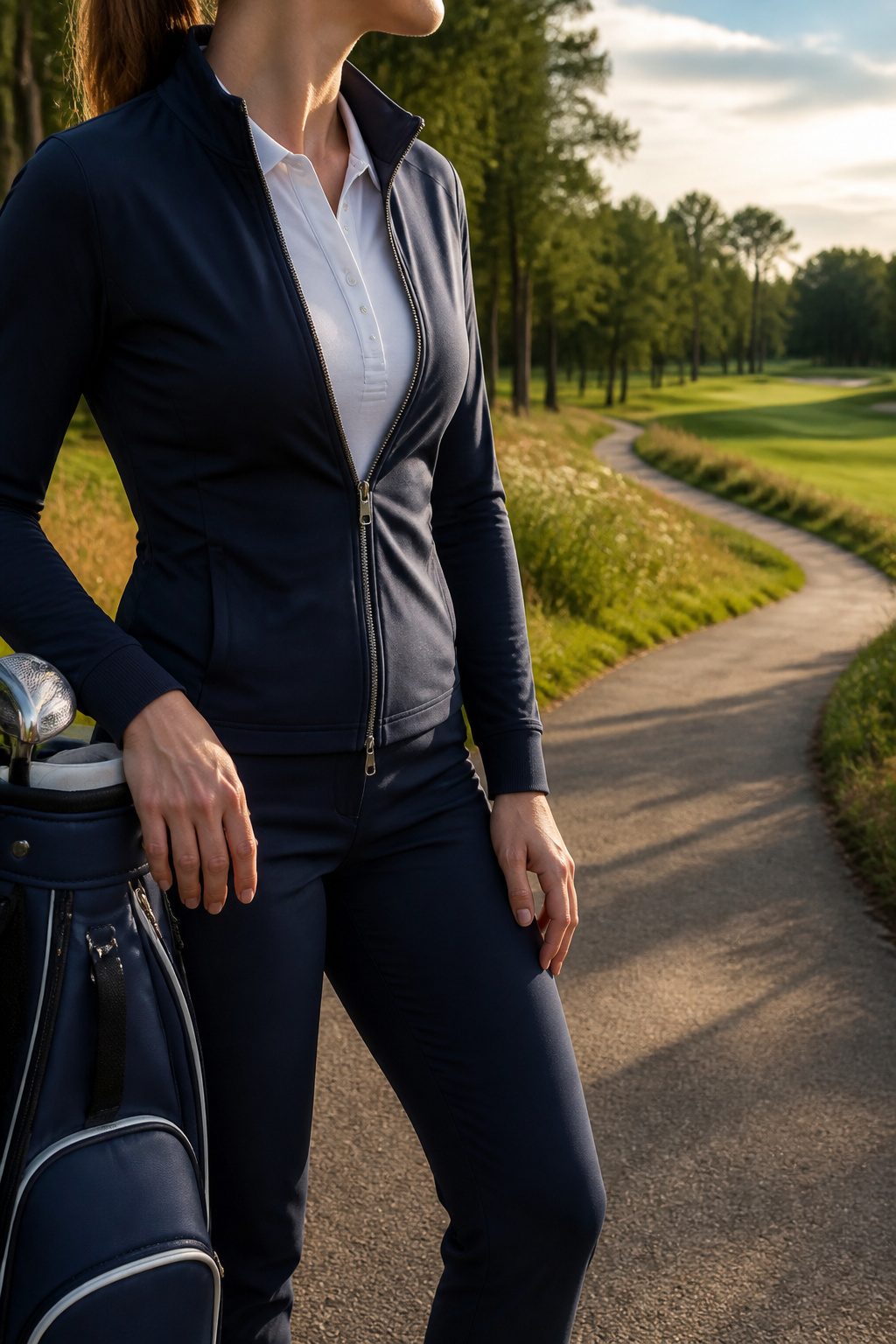
A sports jacket with stretch woven into the fabric lets you swing without the hem riding up, and that same cut looks fine over a tank at the clubhouse bar afterward. Track jackets work the same way: zip one over a polo for an early tee time, leave it on for the drive home. Rain jackets are where golfers usually overspend on gear that stays in the bag; a shell that fits close through the shoulders and hits at mid-hip keeps you dry without flapping on your downswing, and the same cut passes for a city jacket on a wet Saturday. Casual jackets and bombers layer well over light sweaters when temperatures drop between morning and afternoon rounds, though bombers can bunch at the waist if you size down too far. Blazers are the move for charity scrambles or any course where lunch runs long; a cotton-linen blend in navy or olive reads as intentional rather than borrowed from an office. The test for any piece is whether you would grab it for errands the next day. If the answer is no, it is taking closet space from something that earns its place.
One-Pieces

A golf dress handles the whole dress code in one move: collared neckline, above-the-knee hem, and performance fabric like stretch cotton piqué built right in. Varley and Tory Burch both cut the classic shape, with contrast stitching or pleating that reads preppy without trying too hard. Rompers work the same way if you find one with enough structure through the torso and a hemline that clears mid-thigh.
The risk with any one-piece is coverage during your swing. Test the stretch across your shoulders before you buy; fabric that pulls at address will ride up through eighteen holes. Pockets matter too. A single zippered slot for a ball marker beats decorative seaming that leaves you juggling tees in your hand.
The best golf clothes for women have been in need of a refresh… these active styles are now pieces you might want to wear off the course, too.
— Vogue
That shift means you are no longer dressing for the clubhouse and changing for lunch. One well-cut piece carries both.
Accessories
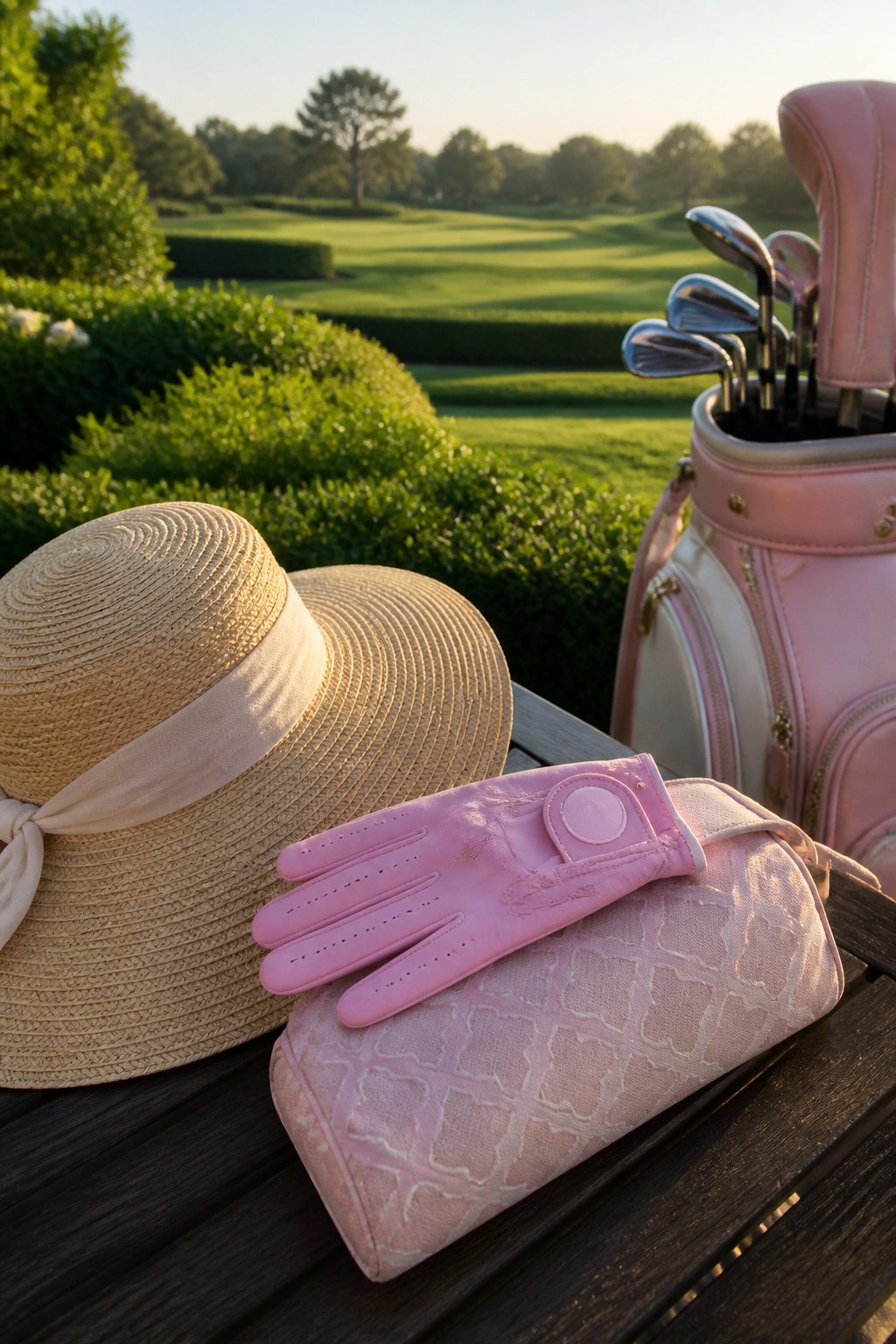
The right accessories pull a golf outfit for women together while keeping you comfortable through eighteen holes. Start with a hat for sun protection; a wide-brim or structured cap keeps glare off your face without distracting your swing. Socks should sit at crew height and wick moisture, since ankle socks slip and let shoe leather rub.
Gloves matter more than most beginners expect. The RLX Ralph Lauren leather golf glove gives you grip without bulk, and the leather molds to your hand after a few rounds so it stops feeling like a barrier between you and the club. One glove on your lead hand is standard; some players keep a spare in their bag for humid days when sweat breaks down the tackiness faster.
Other finishing pieces finish the look without fighting the dress code. A monogrammed club holder or a small leather organizer keeps tees and markers from rattling around in your pockets. The bubblegum pink Ralph Lauren gloves Vogue highlighted work if you want color, though neutral leather pairs with more of what you already own. The point is choosing pieces that do a job first and look good second, not the other way around.
Golf Shoes
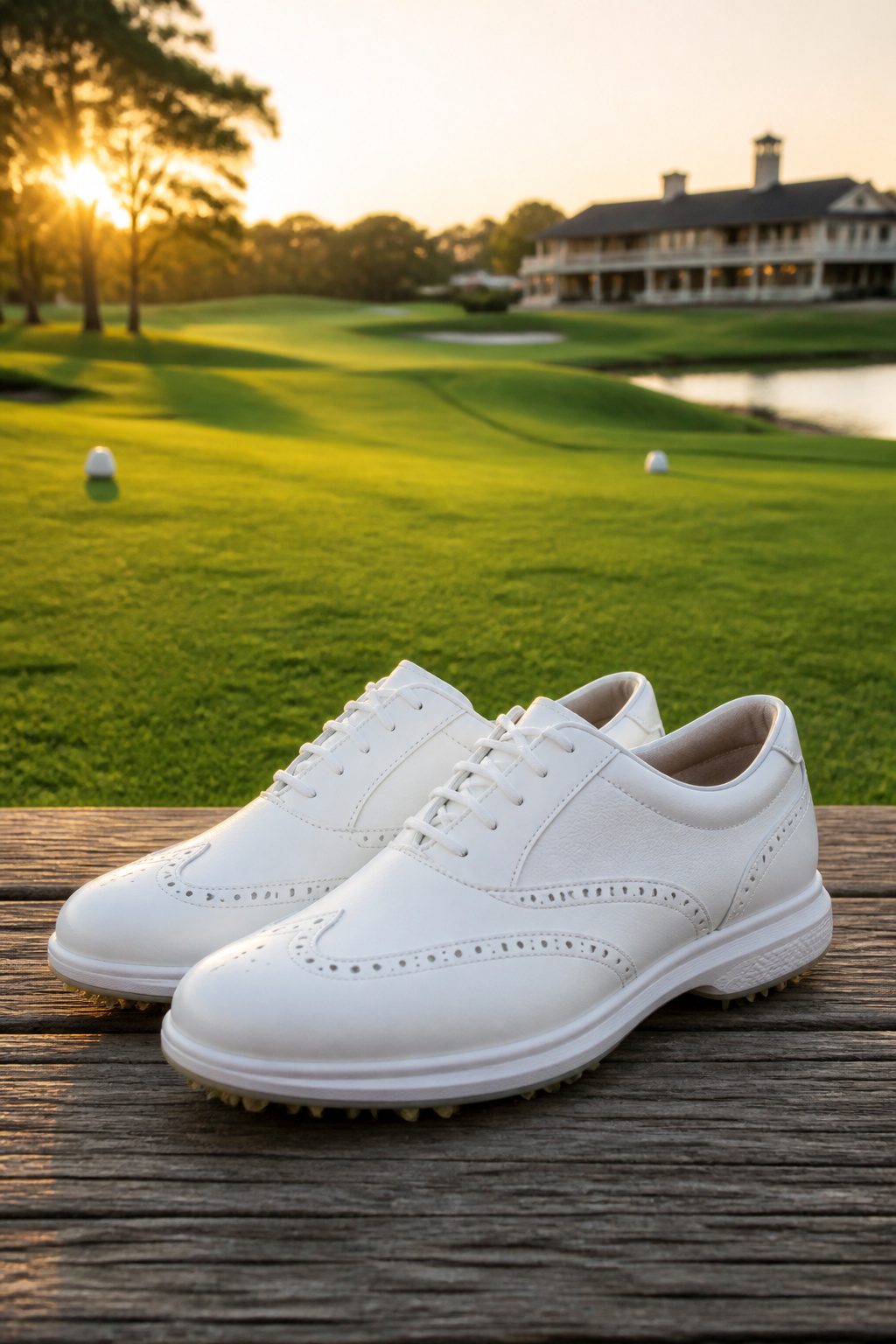
The right golf shoes keep you planted through your swing and comfortable for four-plus miles of walking. Start with traction: a low drop design with heel-to-toe turf grip, like what you get on the G/Fore G.112 Kiltie, prevents slipping on dewy morning grass or uneven lies. Stability matters just as much, since a wobbling base throws off weight transfer and costs you distance.
Spikeless options have gained ground for their versatility. The Adidas heritage-style spikeless pair transitions easily from cart path to clubhouse, while the Jimmy Choo x Malbon collaboration leans harder into post-round wearability if your golf outfit for women needs to double for lunch plans.
Waterproofing is non-negotiable for early tee times. Leather uppers with sealed seams keep feet dry through damp fairways without the sauna effect of cheaper synthetics. For walking comfort across 18 holes, look for cushioned midsoles that absorb cart-path impact and enough toe box room for natural foot swell by the back nine.
The Kiltie fringe on the G/Fore G.112 reads as a style choice, but the underlying shoe delivers the stability and waterproof construction that actually matter out there. Skip anything that prioritizes looks over those fundamentals.
Golf Bags
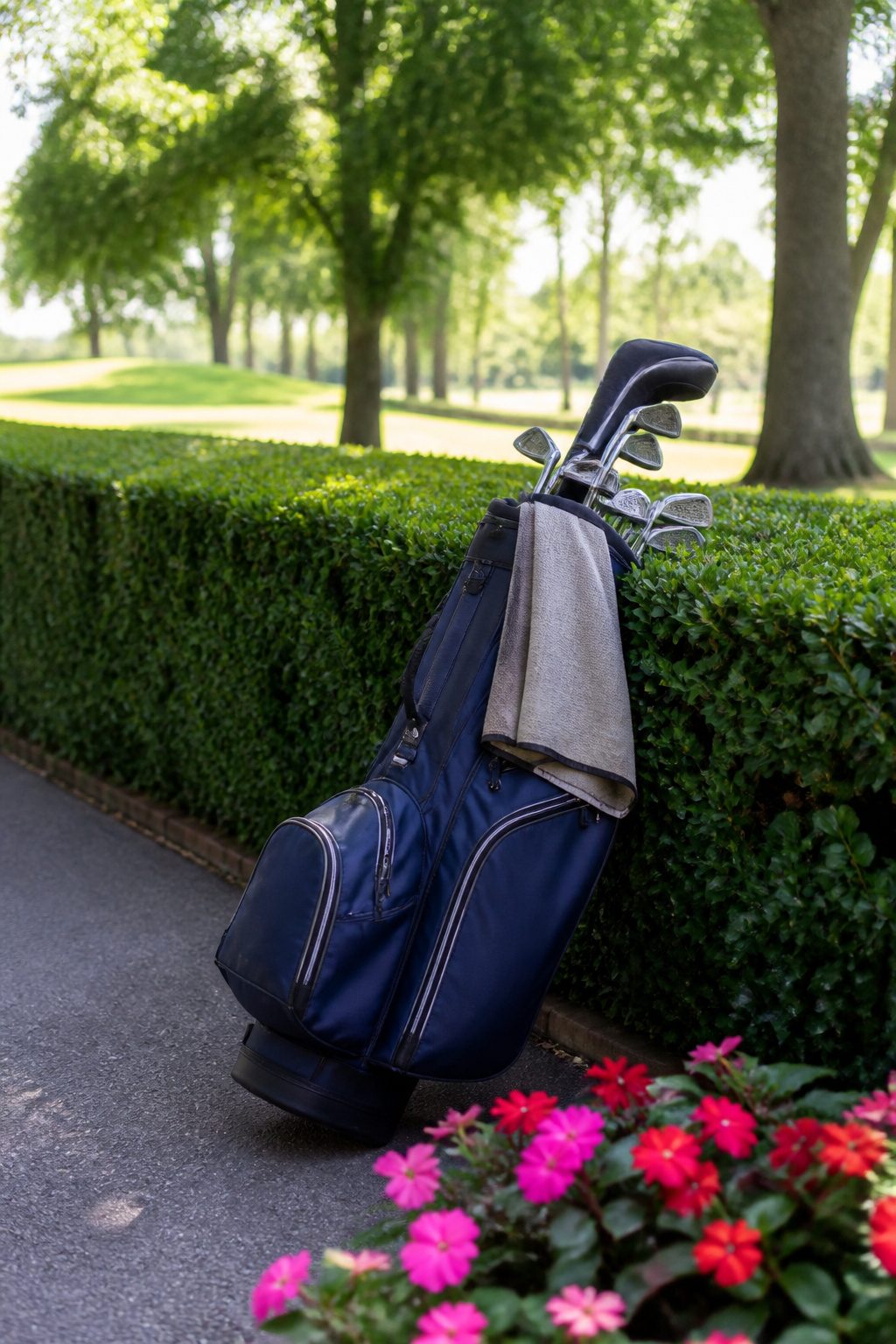
The right golf bag pulls your whole look together while keeping fourteen clubs, balls, and whatever else you actually need from turning into a mess. Carry bags keep weight low and work if you walk the course, but the straps will chew through a thin polo shoulder in a season. Cart bags sit heavier and wider, built for riding, and they usually give you more pockets organized so you are not digging for a tee while your cart partner taps the wheel. Stand bags split the difference: legs kick out on the grass, they ride fine on a cart, and the weight sits in a middle zone that works for most women who switch between walking and riding depending on the day.
Color and material matter more than most bag reviews admit. A coated canvas in navy or olive reads classic against white pants and a striped top; glossier synthetics in pastels can look dated fast next to the cleaner lines most women’s golf brands are doing now. Match your bag to your shoes or your outerwear, not both, or the whole thing starts looking costumed.
Small accessories finish it. A slim pouch clipped to the strap for phone and keys beats opening the main pocket every other hole. A towel in a muted solid, not a logo bomb, hangs cleaner. You are already carrying enough; the bag should not add visual noise.
What Changed in Women’s Golf Style
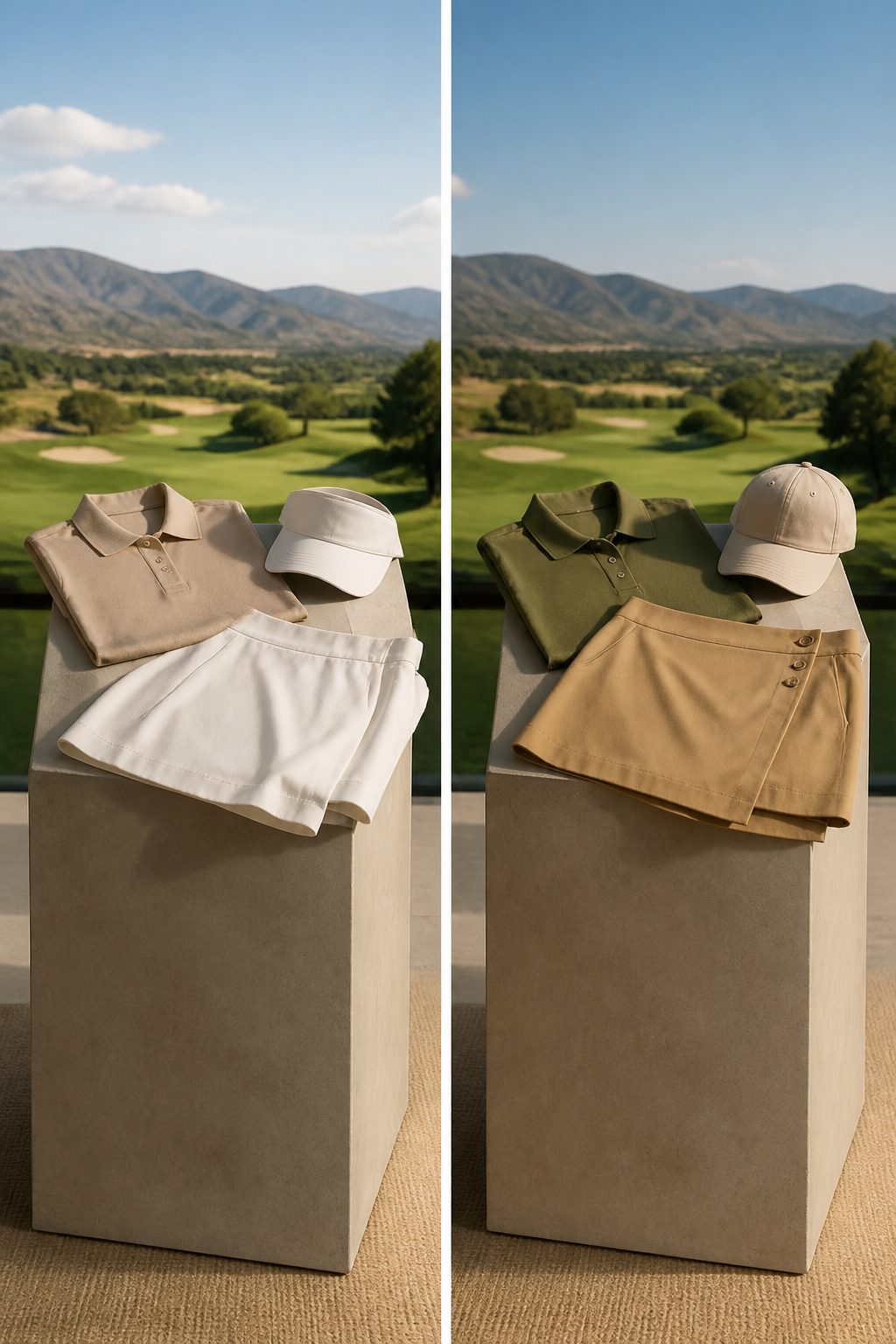
The old uniform of sugary pastels and preppy V-necks has loosened its grip. Tennis got its fashion moment first, crisp whites and pleated skirts catching the eye, but women’s golf style was stuck in a rut that needed breaking. The best new golf clothes are pieces you will want to wear off the course too, not costumes you change out of in the parking lot.
Designers have moved toward active styles that read as regular clothing. Bold details and premium fabrics now show up in cuts that work for coffee runs or casual offices after nine holes. The "course-to-cocktail" pitch is not just marketing; a structured skort with a clean polo passes in both places when the palette stays grounded.
What convinced me, reading through the current options, is that versatility is no longer a bonus feature. It is the baseline. You can still find the traditional look if that is your preference, but the split between "golf clothes" and "clothes" has narrowed enough that building a separate wardrobe for the game no longer makes sense for most women. The mistake is buying single-purpose pieces that sit in a drawer between Saturdays.
How Performance Fabric Actually Works
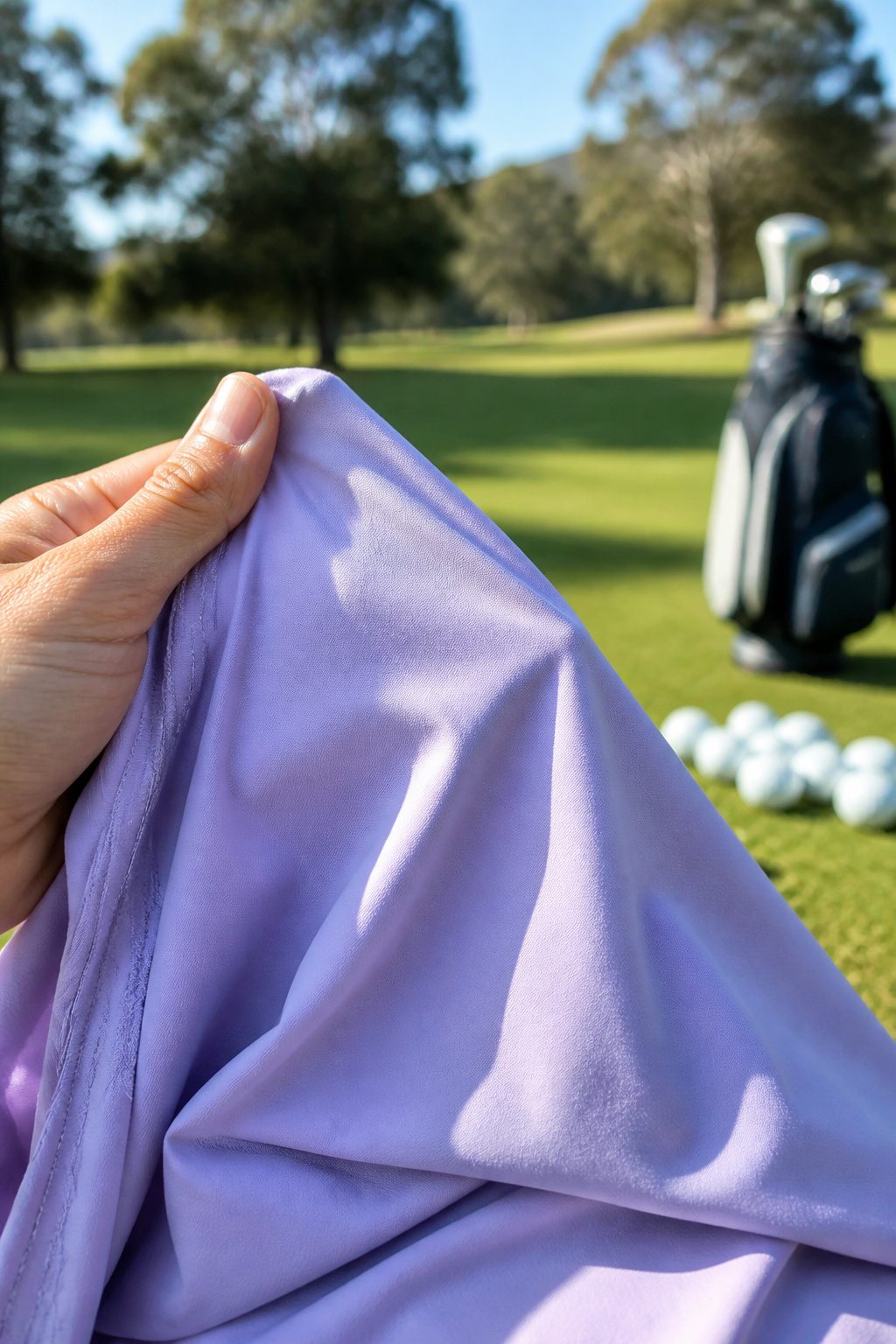
Cotton stays wet. After four holes on a humid morning, a cotton polo is clinging to your back and you are thinking about the clubhouse, not your swing. That is the mistake most women make once, then never again.
Look for polyester blended with spandex or elastane, usually listed right on the hang tag. The polyester pulls sweat away from your skin and dries it fast; the stretch lets you rotate through a drive without the fabric fighting your shoulders. Some labels add nylon for durability, which matters if you are walking the course and your bag is rubbing at your hip.
Test before you buy. Grab a handful of fabric and hold it to your mouth. Blow through it. If air passes easily, it will vent heat during a long afternoon. Then stretch it widthwise and let go. Good recovery means the shape holds through 18 holes and the washings after. If it bags out and stays there, you will be adjusting your shirt at the turn instead of focusing on your putt.
Skip anything that feels plasticky or sounds like a windbreaker when you move. That crinkle usually means low breathability, and breathability is what keeps you comfortable when the back nine runs long.
Building a Versatile Golf Wardrobe
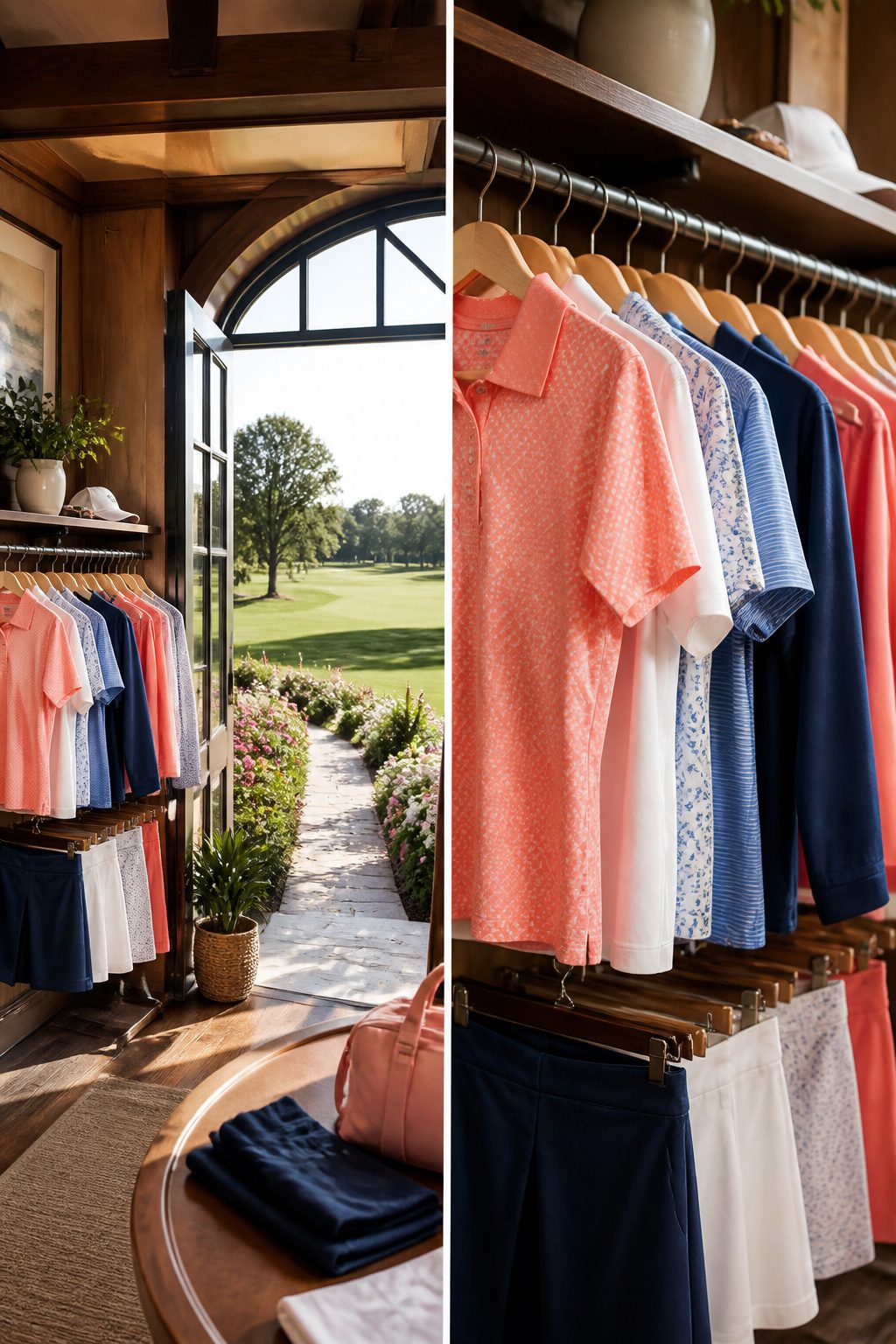
Versatility is the only way a golf wardrobe earns its closet space. Before you buy any piece, test it against what you already own: a polo that only works with one specific skort is a single-occasion purchase, while Malbon’s dove gray contrast knit or Lacoste’s stretch jersey polo pair with denim after your round is done. That is the price-per-wear math that justifies a higher tag.
The newer active styles are designed for this crossover. Soft cashmere polos from Nili Lotan and J. Crew handle fall temperatures on the course and look intentional at casual dinner. Labels now market "course-to-cocktail" versatility as a feature, not an accident, which means you can judge it before spending. Hold the piece up to your existing pants, your go-to jacket, your weekend shoes. If it needs a full outfit built around it, the cost-per-wear spikes and the piece loses.
Frequently Asked Questions
What are the best golf clothes for women?
The best golf clothes for women are pieces that work as well off the course as on it: moisture-wicking polos in jewel tones or prints, skorts with built-in shorts for coverage during your swing, and performance fabrics like polyester blends or merino wool that handle sun and temperature shifts without a mid-round change. Look for versatile cuts, such as structured quarter zips, tailored joggers, or a golf dress with a collared neckline and stretch built in, so you never need to change before lunch.
What should I wear for golf?
Wear breathable, moisture-wicking fabrics that let you move freely: a polo or long-sleeve UV shirt on top, a skort or ankle-length pant on bottom, and golf shoes with traction and waterproofing. Add a hat for sun protection, crew-height socks that wick sweat, and a glove on your lead hand for grip. Skip cotton, which clings and sags after a few holes, and anything you would not grab for errands the next day.
How do I choose a golf outfit?
Start with the weather and your plans after the round, then pick pieces that bridge both. Hot mornings call for tank tops or UV shirts if the course allows; cooler tee times need a quarter zip or vest layered over a polo. Test stretch across your shoulders before buying any one-piece, and choose fabrics you can blow through easily for breathability. The real filter is whether the piece earns space in your closet beyond Saturday mornings.