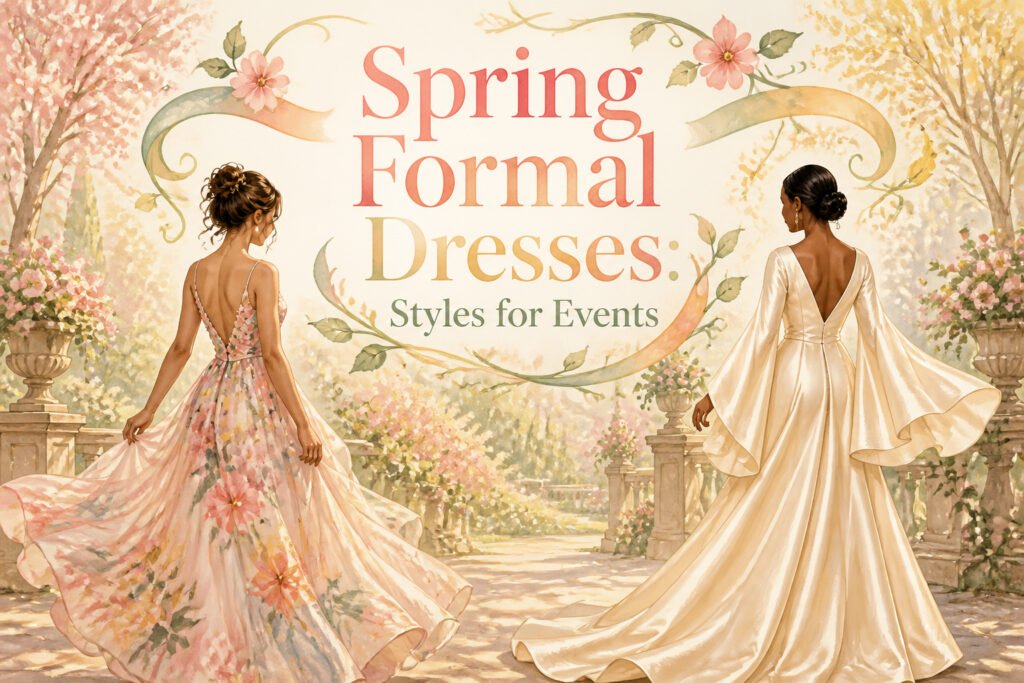
Spring formal dresses are floor-length or midi gowns worn to black-tie weddings, charity balls, and evening galas during the warmer months.
The catch is that "spring formal" means different things on different invitations: a garden party at three in the afternoon calls for chiffon and soft pleats, while a white-tie gala after six demands heavy satin construction and a sweep train.
In 2026, sheer lace long sleeves and dramatic bell shapes are solving the season’s real temperature problem, letting you move from seventy-degree sunset to a fifty-degree patio without carrying a shawl.
1. Mermaid Gowns
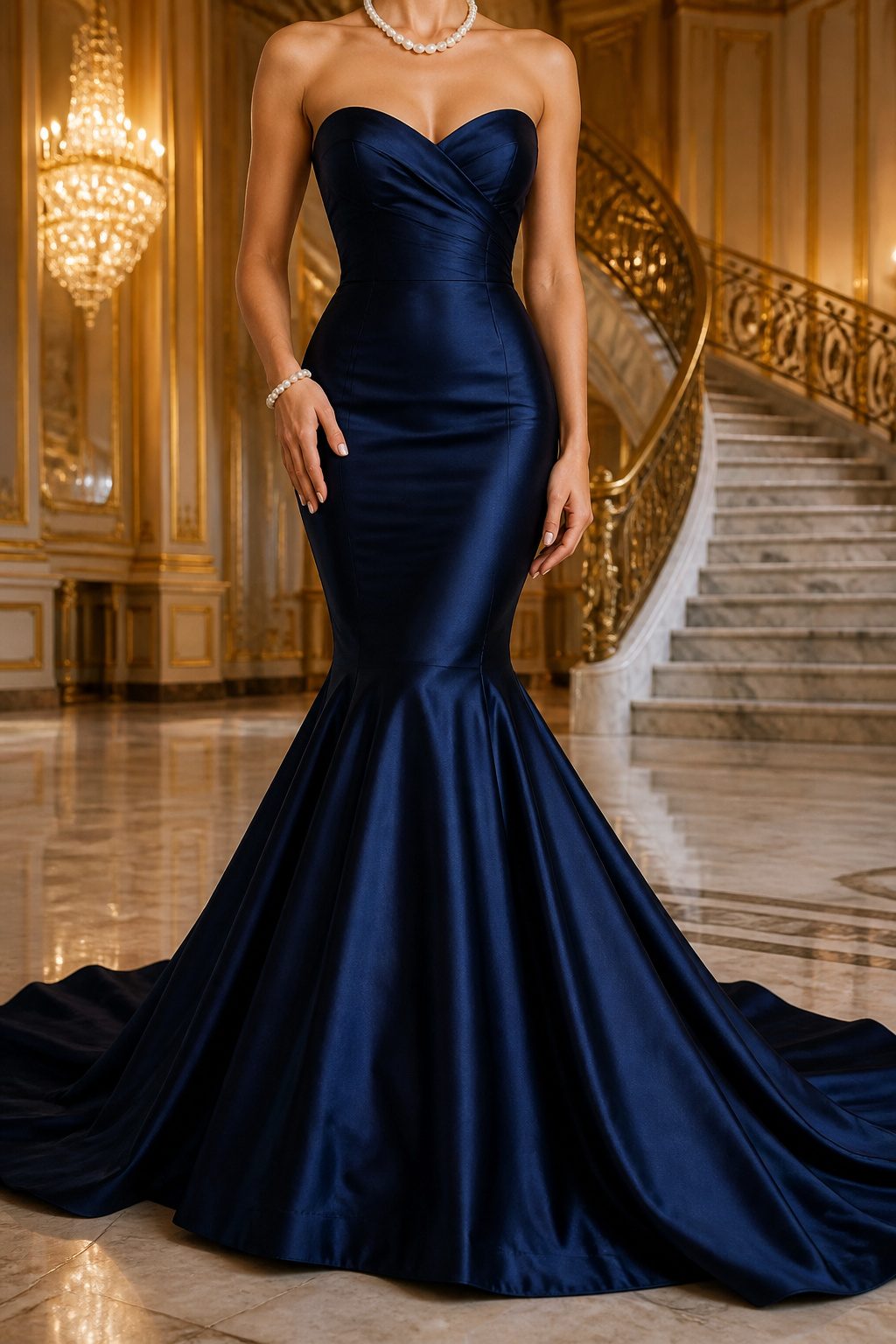
A mermaid gown hugs your body from the bust down to the knee, then flares out dramatically below it.
That knee breakpoint is what gives the silhouette its name and its impact; without it, you are just wearing a fitted dress.
This cut works when you want to own the room.
The flare starting at the knee forces a slow, deliberate walk and photographs with real presence. It is not a style for blending in.
Body type matters here. The continuous line from torso to knee rewards an hourglass figure or anyone with defined waist and hip structure.
If you carry weight through the hips, the flare can balance you, but if you are straighter through the middle, the gown may read as all fabric below and nothing to anchor it above.
For spring formals, this is evening-only territory. Black-tie galas, formal weddings after six, charity balls.
The construction is heavy and the hemline demands a sweep train or at least floor length. A garden party at three in the afternoon will fight the dress, and the dress will win.
2. A-Line Gowns
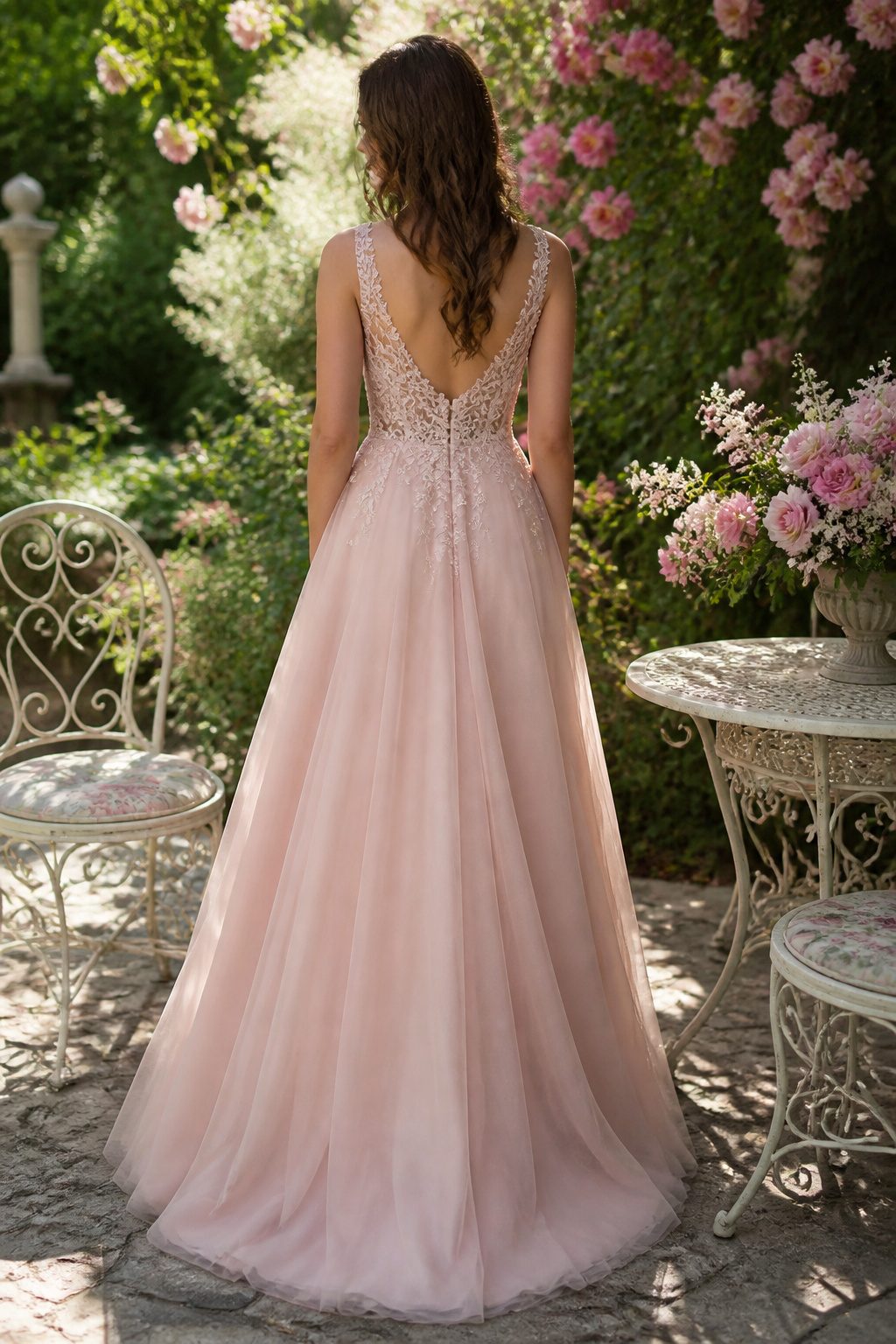
A-line gowns flow from the waist down in a gentle slope that widens toward the hem, creating an elegant silhouette that works on nearly every body type.
The cut sits close through the bodice and ribs, then releases without clinging to hips, thighs, or midsection.
That structure is why you see this shape at black-tie weddings, charity galas, and spring formals alike; it carries the event without demanding constant adjustment.
The same dress can read minimalist or ornate depending on what you choose. Delicate embroidery, soft draping, or clean modern lines all sit well on this frame because the shape itself does the structural work.
You do not need to chase trends to get the effect. If you are building a wardrobe for multiple spring events, this is the style you can wear twice with different accessories and nobody registers it as the same dress.
3. Ball Gowns
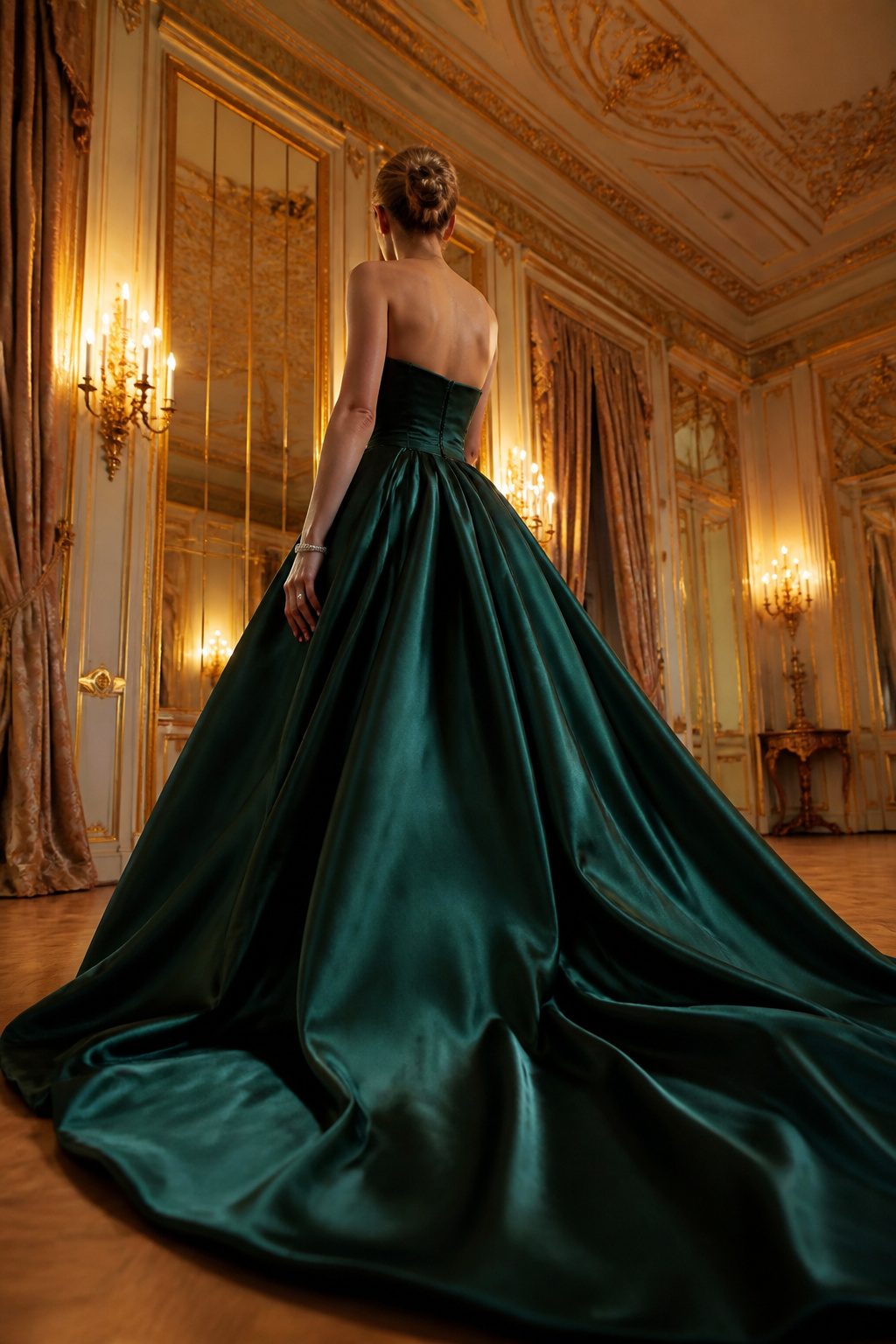
A ball gown earns its place at the events where anything less looks underdressed.
The full skirt and structured bodice create the silhouette that sources keep coming back to: voluminous below, fitted above, the line between them sharp enough to read from across a crowded room.
You see this shape at white-tie galas, formal weddings after six, and the charity balls that still print "black tie" in raised ink on heavy cardstock.
The volume is the point, but it is also the practical problem.
That same skirt that pools so dramatically in photographs needs a chair without arms, a clear path to the restroom, and a car door that opens wide enough to let you slide in without compression.
One hand on the bodice, the other gathering fabric behind you is the maneuver that keeps tulle from the parking lot pavement.
Dance floors vary; some give you the radius of a small planet, others crowd you between tables where your skirt becomes a hazard to passing waiters.
The bodice does the structural work, so fit matters more than it does in styles that drape or cling. A gap at the waist, a strain at the closure, and the whole effect tips from regal to costume.
Check the event’s dress code before committing to this level of formality; some spring formals specify full-length gowns, others allow shorter hemlines that make the ball gown feel like overstatement.
4. Empire Waist Dresses
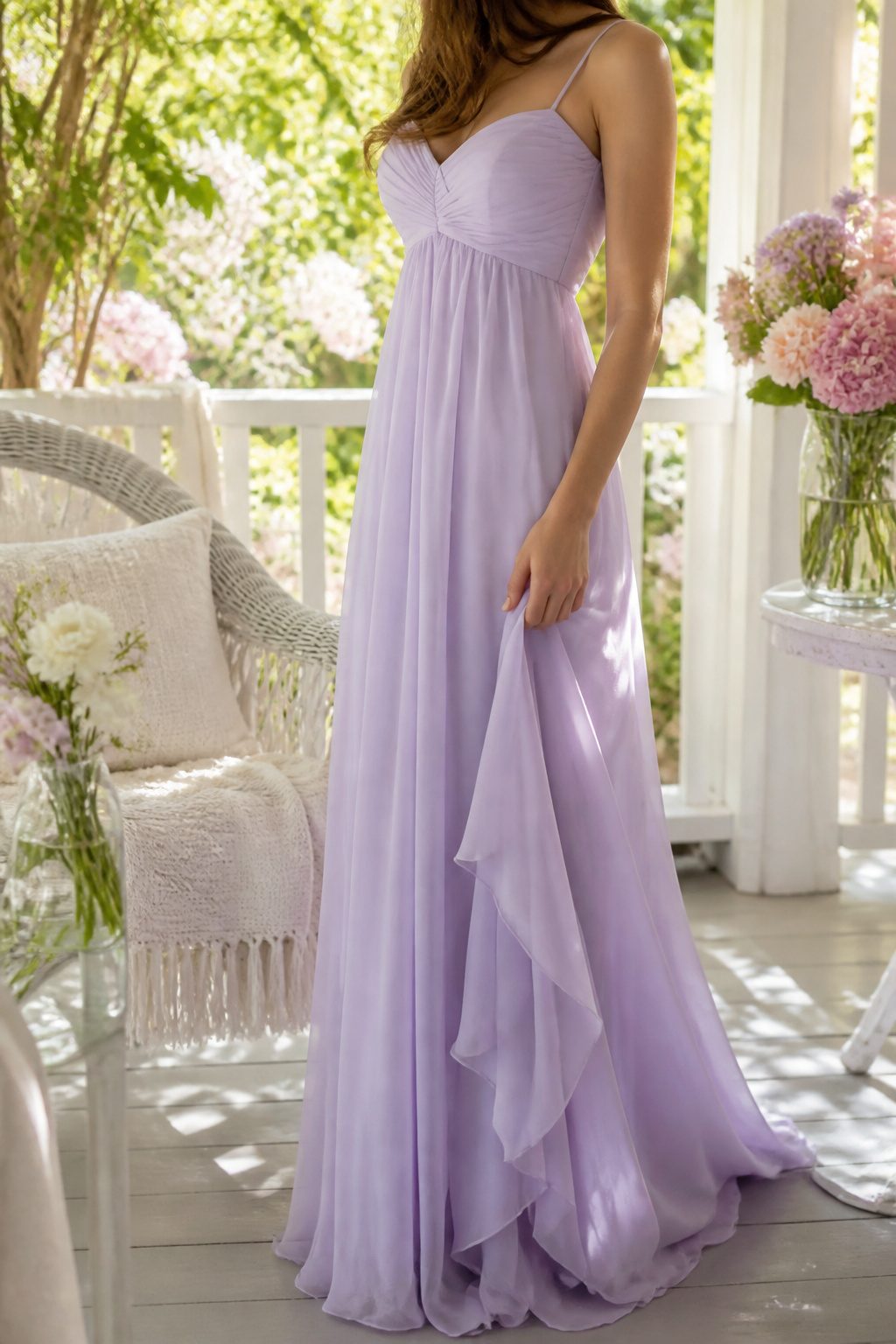
The empire waist sits just below the bust, drawing the eye upward and letting the rest of the fabric fall in one continuous line to the hem.
That high placement creates the elongated silhouette you notice first in a room full of standard waistlines. For anyone who wants length without the squeeze of a fitted midsection, this is the cut that delivers it.
The romantic effect comes from that same uninterrupted drape.
Soft chiffon, delicate lace, or sleek satin all behave differently, but each one keeps the same graceful movement because the skirt hangs from a single high point rather than breaking at the natural waist.
You get timeless elegance without the structure of boning or corsetry.
This style benefits figures where you want to emphasize the upper body and let the lower half float free. If you carry weight through the hips or midsection, the raised waistline redirects attention upward.
It also works well for shorter torsos, since the high seam visually lengthens the space from bust to floor. The comfort is real too; the cut allows ease of movement that fitted styles simply do not.
5. Tiered Maxi Dresses
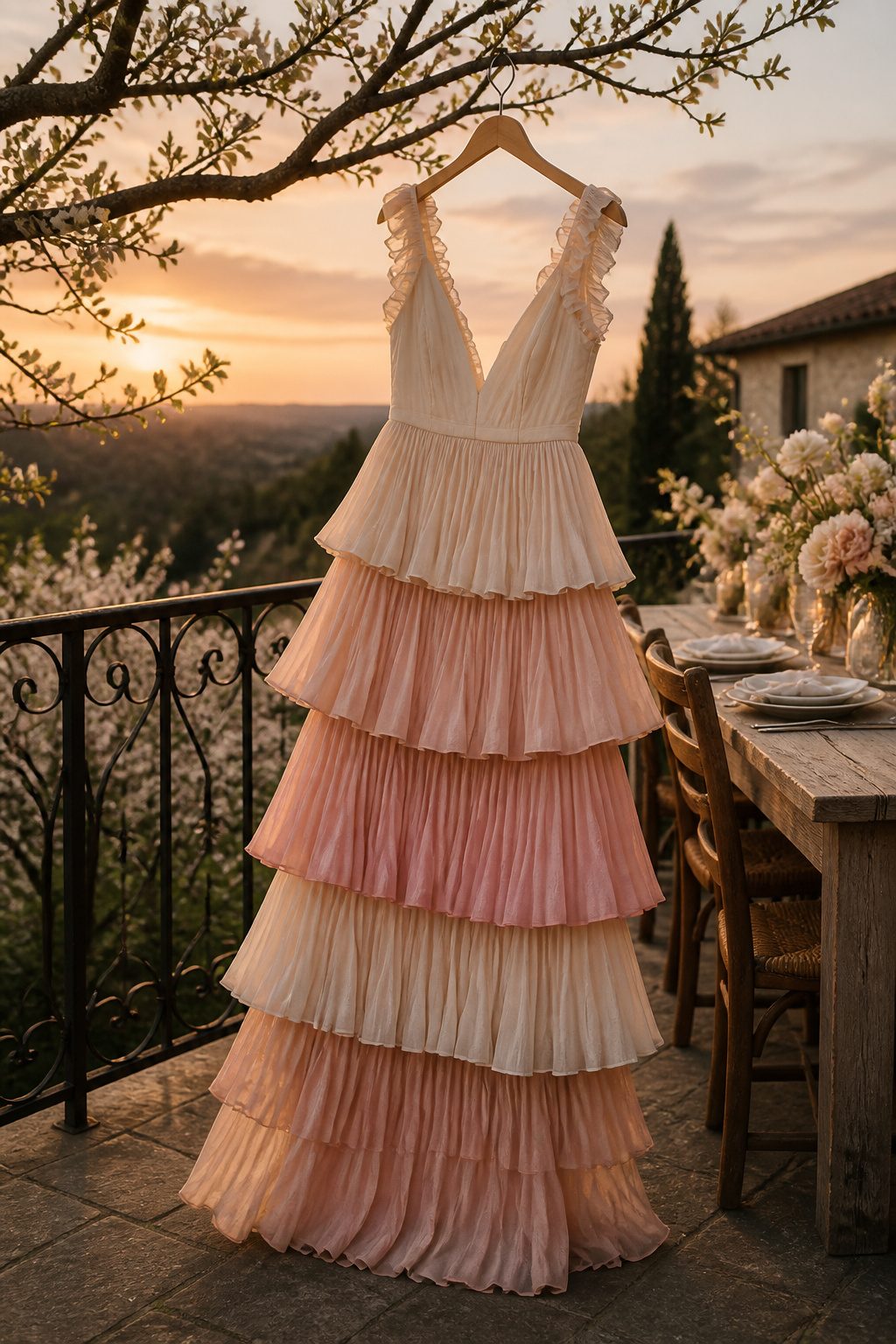
A tiered maxi dress builds its shape from stacked horizontal layers rather than one continuous cut, and that difference matters more than you might expect.
Each tier adds its own ripple of movement, so the fabric does not simply fall but lifts and settles with every step you take.
The effect reads as playful without tipping into costume, provided the tiers stop at the right density.
The source passage notes these dresses come adorned with delicate ruffles or soft pleats, and that detail is where the style earns its place or loses it.
Ruffles add bulk at every seam; soft pleats fold flatter. If you carry weight through your hips or midsection, pleated tiers that start below the waist keep the line elongated rather than widening it.
A simpler cut skims straight down and asks less of your underpinnings, but it also moves less. The trade is volume against ease.
For spring formals, this style works best when the event has some outdoor element: a garden reception, a terrace cocktail hour, where the breeze justifies the extra fabric and the light catches the texture.
In a dim hotel ballroom, all that surface area can read as excess. Choose the tiered maxi when the setting gives you somewhere to walk and something to move through.
6. Floral and Embroidered Details
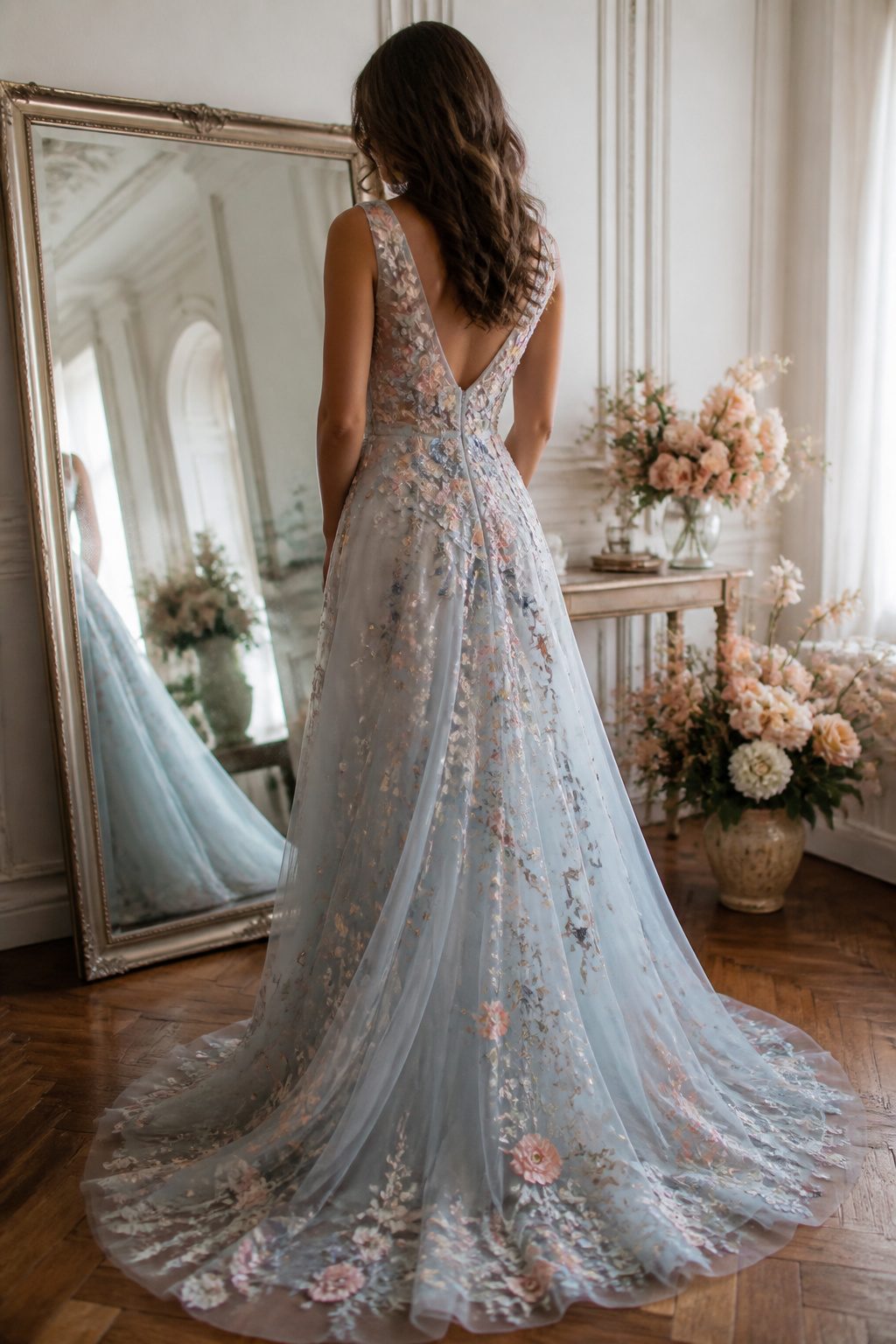
Printed florals and embroidered details both borrow from spring gardens, but they do not carry the same weight at a formal event.
A printed floral lies flat against the fabric, which reads lighter and often more casual, something you might wear to a daytime wedding or a garden party where the dress code stops at cocktail.
Embroidery, appliqués, and raised botanical work read more formal because the texture catches light and shadow the way a print cannot, and the labor behind it shows in the price and presence of the piece.
For 2026 spring formal dresses, the embroidered route wins when the invitation says black-tie optional or above.
Floral appliqués in particular add dimension without drifting into costume territory, especially when they cluster at the neckline or trail down a skirt rather than covering the whole dress.
If you already own a printed floral you love, treat it as your backup for less formal spring events, the ones where you want the season’s mood without competing with guests in heavier fabrics.
7. Elegant Long-Sleeve Dresses
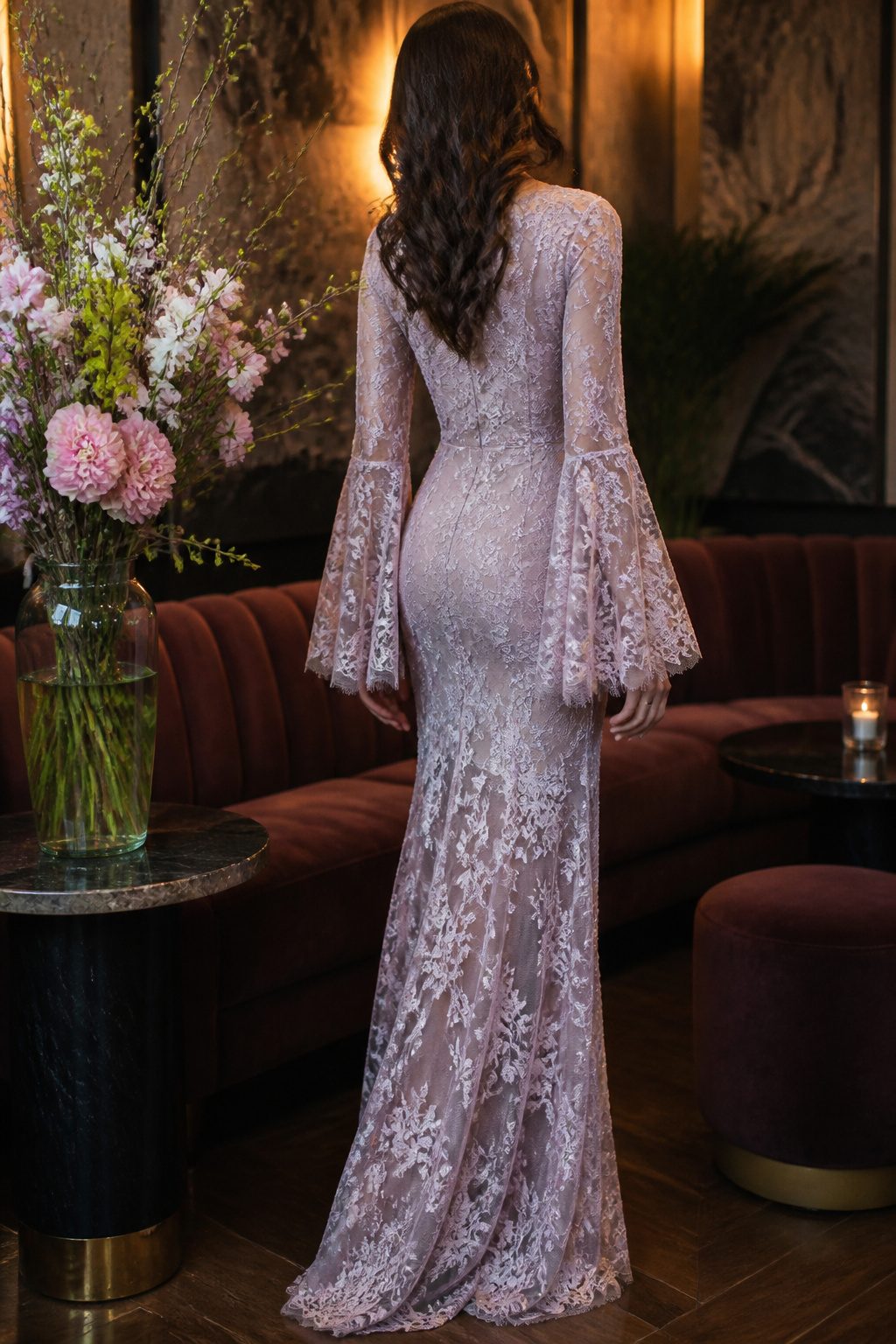
Sheer lace sleeves and dramatic bell shapes are dominating 2026 collections, and for good reason.
A long-sleeve spring formal dress solves the season’s real problem: you step out at 6 p.m. in seventy-degree sun, but by ten the temperature has dropped twenty degrees and the venue’s patio is still open.
The coverage reads as formal, not practical, when the sleeve is the event.
Illusion mesh keeps the line light, while a structured bell sleeve moves like jewelry when you raise a glass. The trick is proportion.
A voluminous sleeve needs a clean neckline and a fitted bodice to avoid costume territory. Skip the shawl you would otherwise drape over your shoulders; the dress handles both the weather and the formality in one piece.
8. Midi Dresses
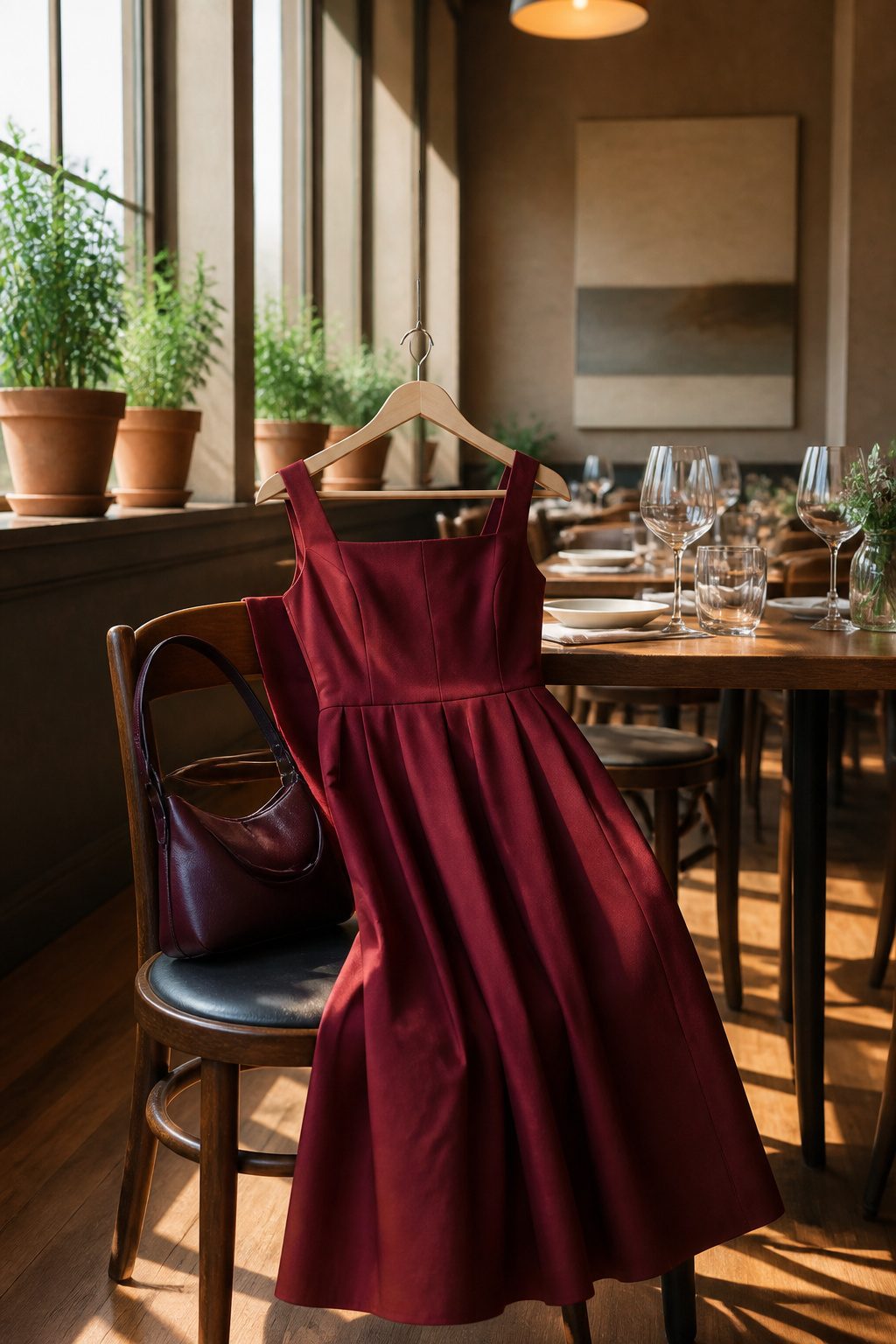
A midi hemline lands between the knee and mid-calf, and that specific length is what keeps spring formal dresses feeling current instead of costume-like.
You get the ceremony of a gown without the tripping hazard or the dated prom association. The cut reads intentional, not like you grabbed a cocktail dress and hoped for the best.
Calf-length works for weddings, daytime formals, and any venue where grass, stairs, or tight seating make floor-length a liability.
The key is fabric weight and finish. Satin, heavy crepe, or structured mikado signal formality; anything fluid or lightweight drifts toward casual no matter the cut.
Pair with a pointed or strappy heel, never a chunky block, and keep jewelry minimal since the hemline already breaks tradition. If the event is black-tie optional, add a tailored coat or structured clutch to anchor the look.
9. How to Choose
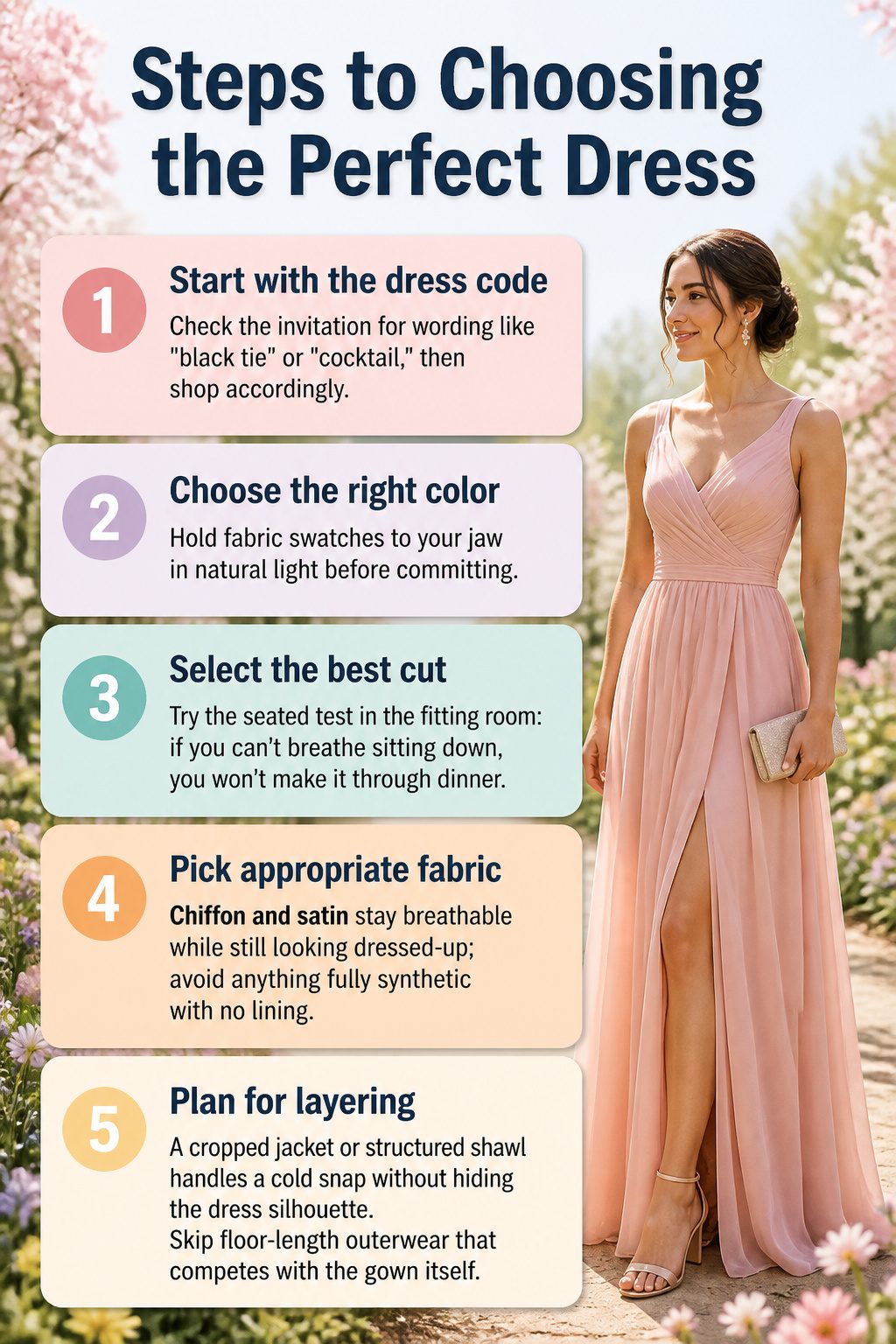
Start with the dress code, because it decides whether you even need full-length or can wear semi-formal spring dresses. Check the invitation for wording like "black tie" or "cocktail," then shop accordingly.
Color matters next against your skin.
Soft pastels read fresh for spring, but jewel tones can work if they warm your complexion rather than wash it out. Hold fabric swatches to your jaw in natural light before committing.
For cut, look at what actually fits your frame. A-line skirts balance hips; empire waists add length for petite builds; ruching and structured bodices give plus-size figures definition without squeezing.
Try the seated test in the fitting room: if you can’t breathe sitting down, you won’t make it through dinner.
Fabric choice controls comfort across a long night.
Chiffon and satin stay breathable while still looking dressed-up; organza works too but can itch at the seams. Avoid anything fully synthetic with no lining.
Spring weather is unreliable, so plan to layer.
A cropped jacket or structured shawl handles a cold snap without hiding the dress silhouette. Skip floor-length outerwear that competes with the gown itself.
Spring Color and Fabric Guide
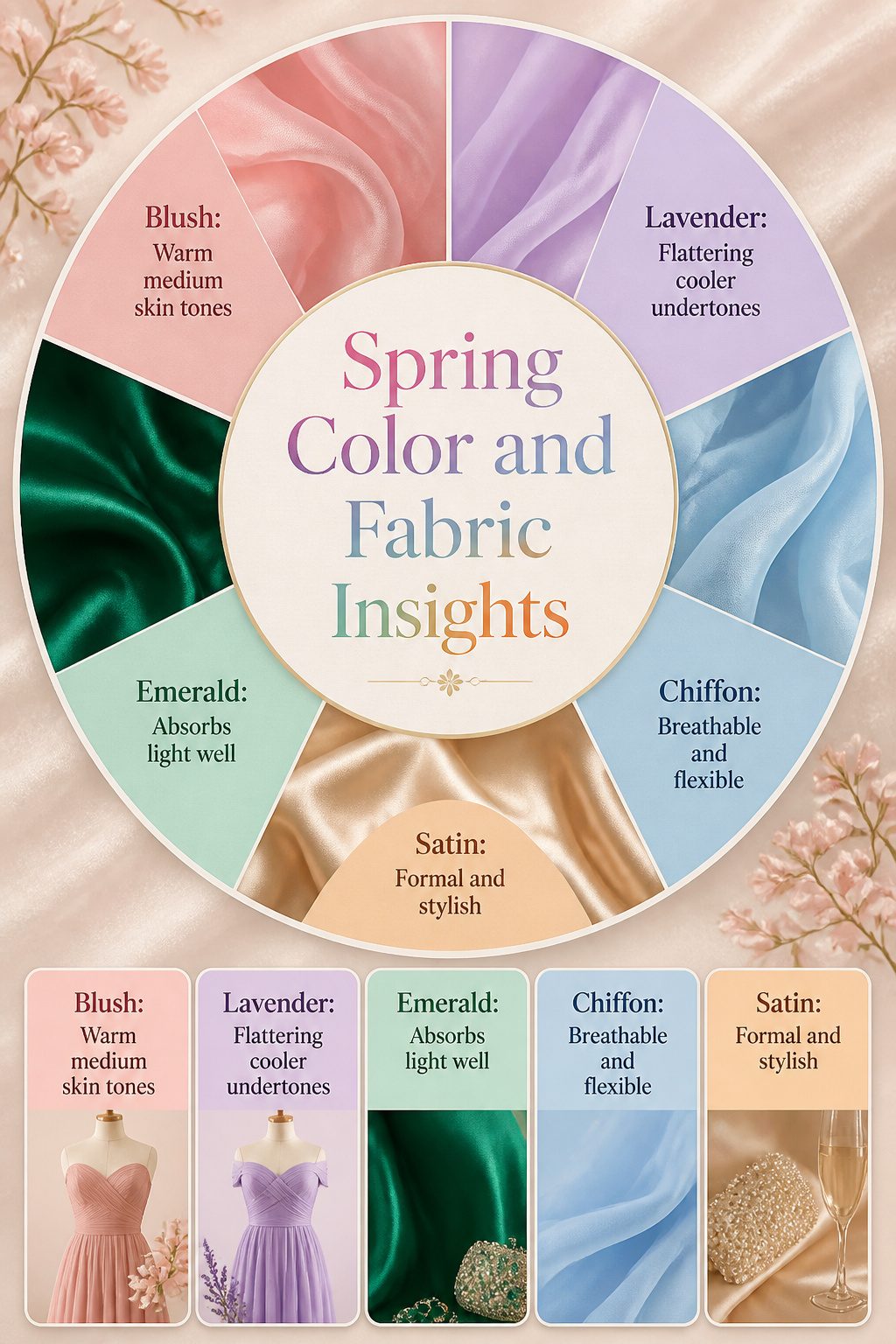
Soft pastels like blush, lavender, and baby blue dominate spring formal dresses for good reason. They read fresh against typical winter navy and black without demanding attention you do not want.
Blush warms up medium and olive skin tones; lavender flatters cooler undertones; baby blue sits right in the middle and forgives most complexions. If you trend warmer or deeper, emerald and coral carry the same spring feeling with more presence.
Emerald absorbs light rather than reflecting it, so it photographs steady under event lighting. Coral does the opposite, it brightens under flash and flatters sun-exposed shoulders.
Chiffon, organza, and satin are the fabrics that actually work for spring weather.
Chiffon moves with air conditioning and outdoor cocktails alike, layering easily without weight. Organza holds structure for ruffled necklines or full skirts without the bulk of taffeta, though it wrinkles if you sit through a long dinner.
Satin reads formal at any cut, but the lighter spring weights breathe better than winter duchess satin; the tradeoff is showing water spots if champagne splashes.
For an event that runs past midnight, chiffon or a lined organza will not sag the way unlined satin can across the hips.
Styling the Dress
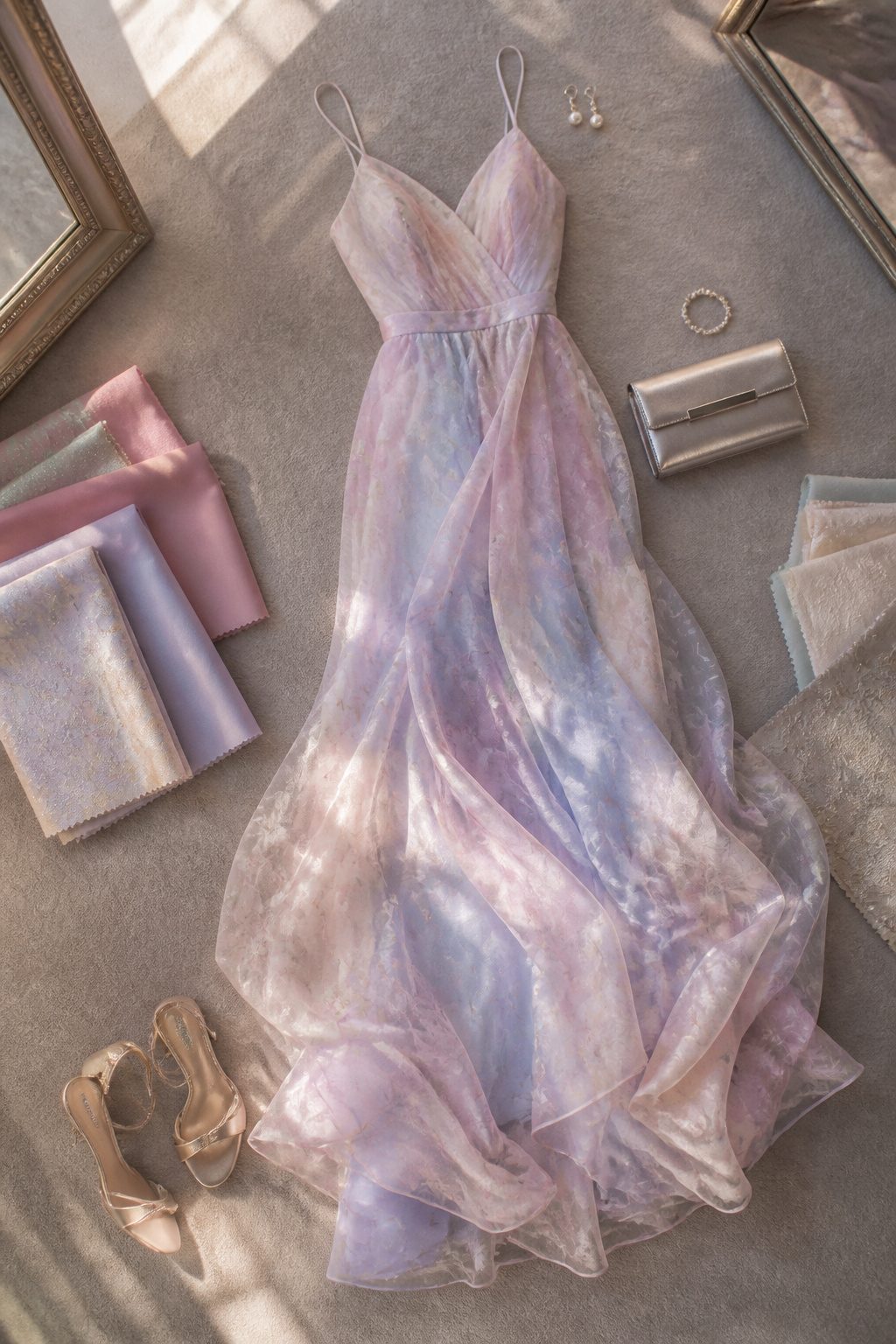
The right pairing keeps the dress doing the work instead of competing with it.
- Pearl earrings or dainty bracelets sit quietly against soft pastel spring formal dresses; chandelier earrings or a metallic clutch add weight to sleek, minimal gowns without stealing focus.
- Soft curls or loose waves match flowy skirts; sleek updos clean up the neckline on structured or high-neck cuts; braids work with floral or ethereal fabric details.
- Strappy heels or pointed-toe pumps are the standard move. Block heels or elegant flats only make sense if the event is outdoors and you are walking on grass or gravel.
- A lightweight wrap, tailored blazer, or embellished shawl handles evening chill or a breezy venue without burying the dress.
- Keep makeup dewy with soft pink or coral tones for daytime; a bold lip is reserved for evening events only.
What to skip: heavy jewelry on already busy embroidery, competing prints in your bag or shoes, and a dark smoky eye with a pastel dress before sunset. One statement piece per look; let the spring formal dress be it.
Frequently Asked Questions
What colors are best for spring formal dresses?
Soft pastels like blush, lavender, and baby blue read fresh against typical winter navy and black, with blush warming medium and olive skin tones, lavender flattering cooler undertones, and baby blue forgiving most complexions.
If you trend warmer or deeper, emerald and coral carry the same spring feeling with more presence. Hold fabric swatches to your jaw in natural light before committing to make sure the shade works against your skin.
What fabrics are best for spring formal wear?
Chiffon, organza, and satin are the fabrics that actually work for spring weather.
Chiffon moves with air conditioning and outdoor cocktails alike, layering easily without weight. Organza holds structure for ruffled necklines or full skirts without the bulk of taffeta, though it wrinkles if you sit through a long dinner.
Satin reads formal at any cut, but the lighter spring weights breathe better than winter duchess satin.
Should I go for a long or short dress?
Long dresses are great for black-tie occasions, while midi-length options work for weddings, daytime formals, and any venue where grass, stairs, or tight seating make floor-length a liability.
A midi hemline lands between the knee and mid-calf, giving you the ceremony of a gown without the tripping hazard or dated prom association. For black-tie optional events, add a tailored coat or structured clutch to anchor a shorter look.
What should I consider when choosing a spring formal dress?
Start with the dress code on the invitation, since it decides whether you need full-length or can wear semi-formal spring dresses.
Color comes next against your skin tone, then cut based on what actually fits your frame. Try the seated test in the fitting room: if you cannot breathe sitting down, you will not make it through dinner.
Finally, plan to layer for unreliable spring weather with a cropped jacket or structured shawl that handles a cold snap without hiding the dress silhouette.