
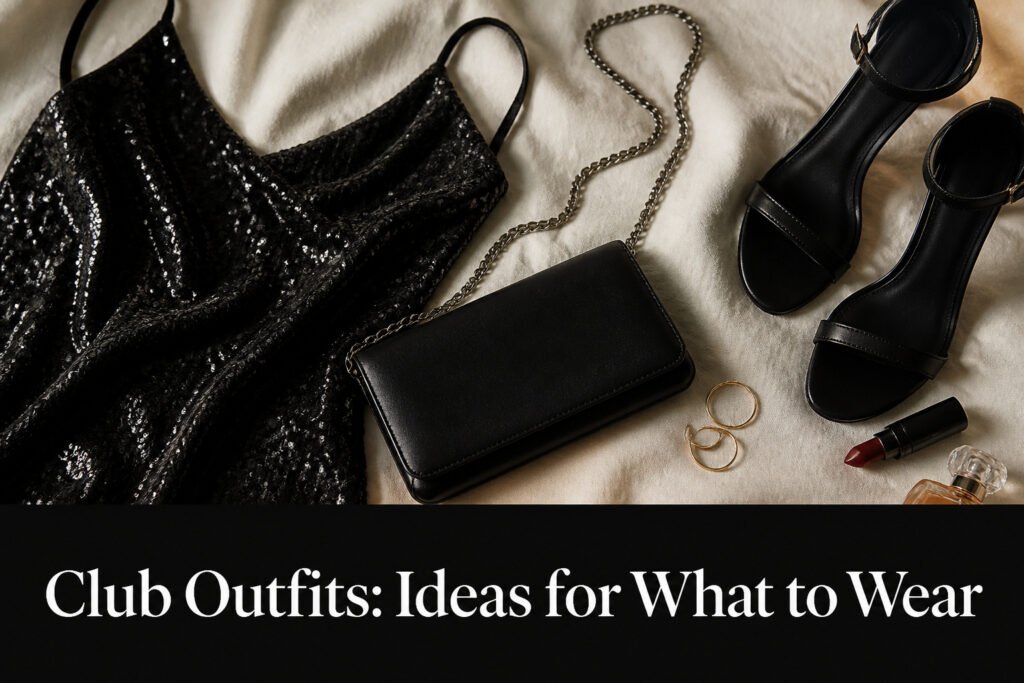
Club outfits are the clothing combinations that get you past the door and through a night of dancing without a wardrobe crisis, but the ones that actually work depend on contrast and movement rather than trendiness.
A fitted mini with a looser cover piece, a bodysuit under cargos, or a full jumpsuit each succeeds only when tight balances loose, loud balances quiet, or one metallic element does the work alone.
The Electrify Me Costume at $133.99 uses UV-reactive detailing built specifically for blacklight venues, which is the kind of fabric-specific detail that separates a functional club outfit from a generic going-out look.
Club Outfit Ideas That Actually Work
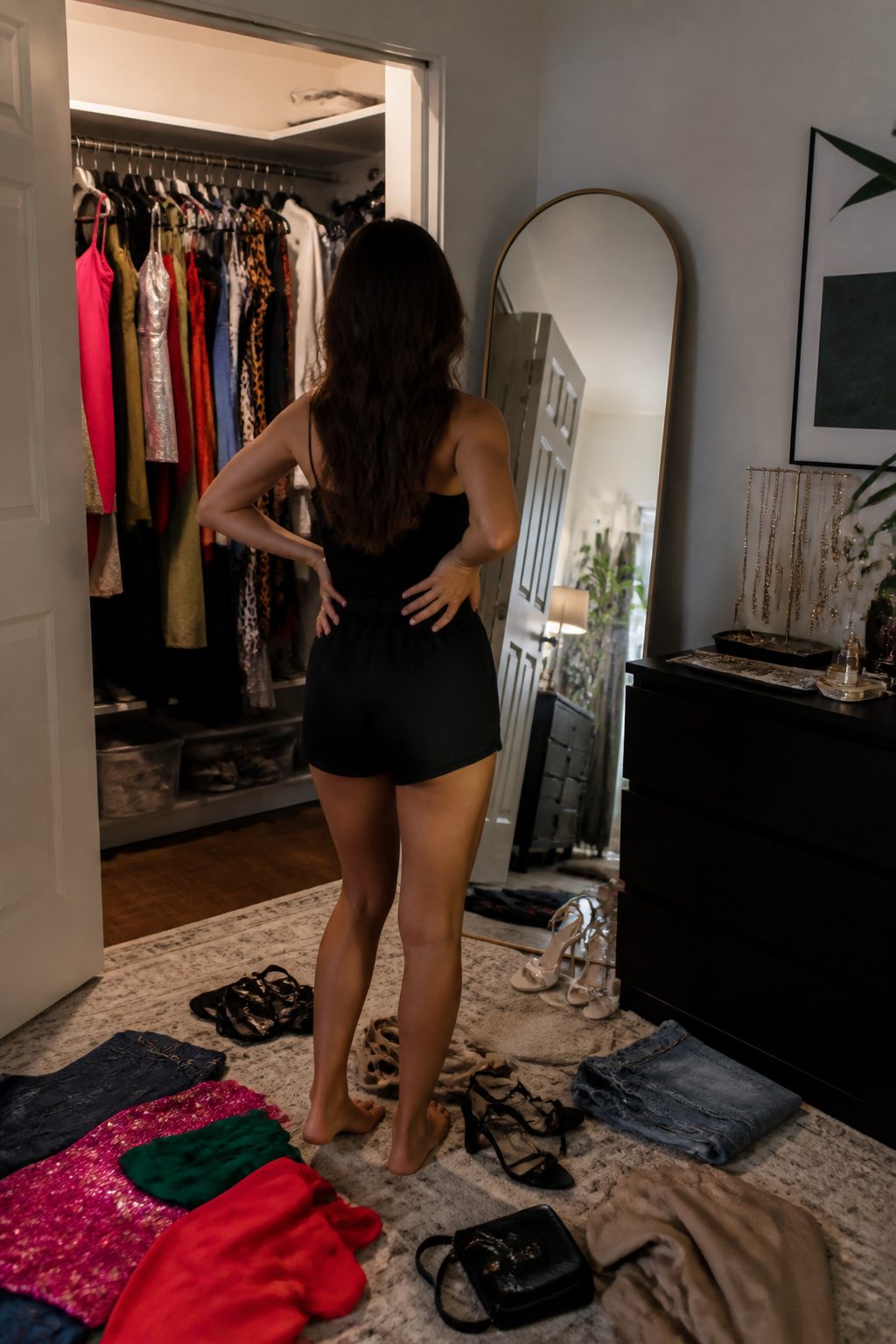
It is 10 PM. Your group chat just lit up, and you are standing in front of your closet with the door still open from trying three things that already failed.
The mirror is not helping. This is the moment most club outfit roundups ignore: they start with shopping when you need a decision from what you own.
The outfits that actually get worn fall into about ten real types.
A fitted mini with a looser cover piece, a bodysuit under cargos or a relaxed mini, a full jumpsuit, a skirt set, a catsuit, denim that reads deliberate, an oversized blazer over something minimal, a co-ord set, and anything with metallic or sparkle kept to one element.
The tenth is the wild card: a dress or top in mesh, faux leather, satin, or ribbed knit that catches the venue lighting right.
What separates the ones that work is not how current they are. It is contrast and movement.
Tight top needs a looser bottom, or the reverse. Loud shoes need a quiet outfit.
The dress doing all the work needs clean accessories. Fabric matters under club lights: mesh and faux leather catch flash, satin reads expensive in motion, stretch jersey survives heat on a packed floor.
Before you decide, check the door.
Many venues ban athletic wear, open-toe shoes, or casual denim. A cocktail lounge wants polish; a warehouse club wants energy.
You are dressing for four to six hours of standing, dancing, and probably a late food run after. The outfit has to hit from every angle in photos and still feel like you when you are not posing.
1. Mini Dresses
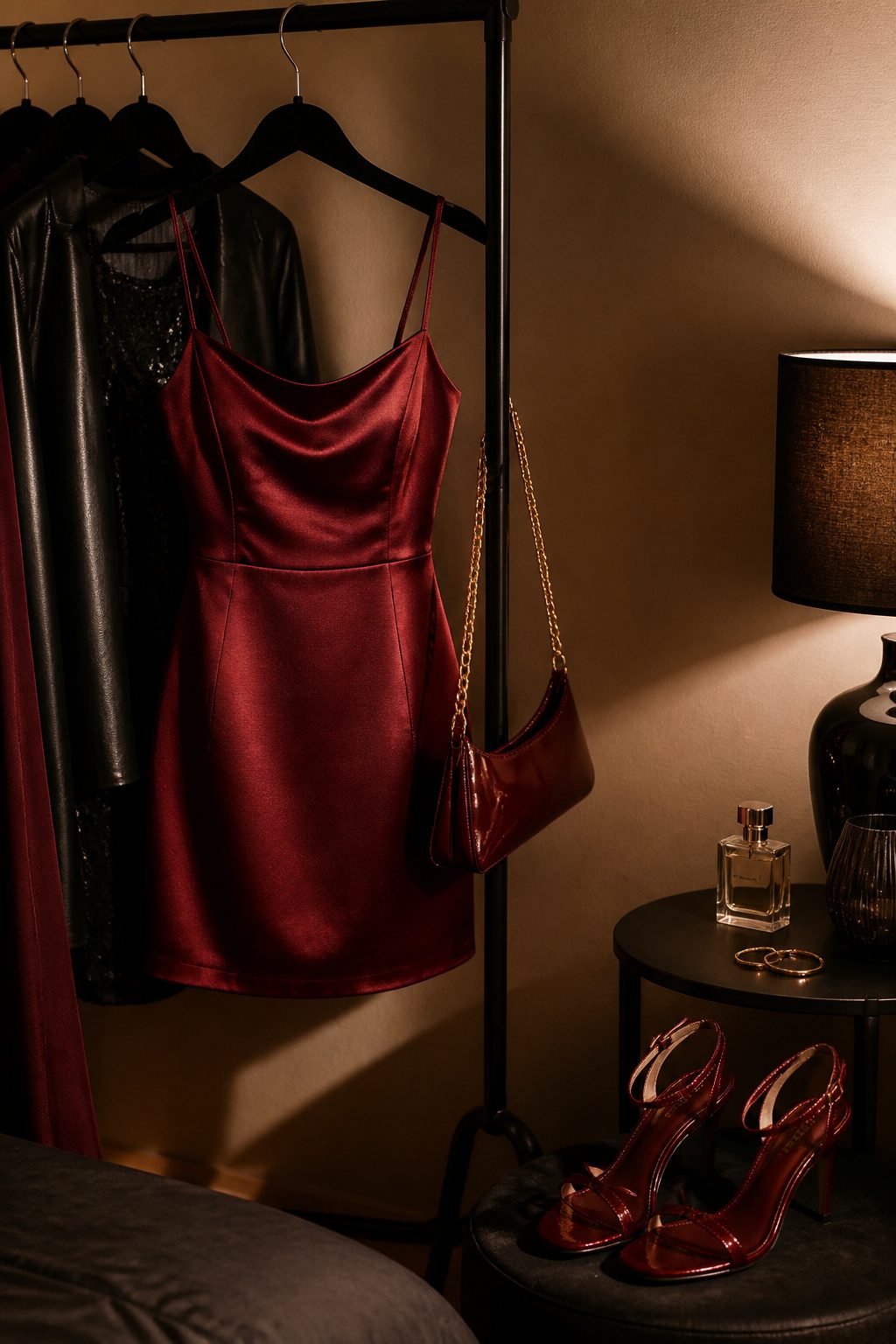
A mini dress is the default club outfit for a reason. It requires no mixing, photographs cleanly under club lights, and keeps you from overthinking separates at midnight.
The version that works now is not the one from 2016.
Skip the bandage dress with visible corset boning and the bodycon with cutouts at the ribcage. What reads current is simpler: clean bodycon lines, or ruched fabric that skims rather than squeezes.
Ruching works across body shapes because it breaks up the silhouette without adding volume; clean bodycon wins when you want elongation, especially with a higher neckline that balances the short hem.
Color is where the update happens. Black stays reliable, but deep red, chocolate brown, silver, and icy neutrals feel like 2026, not a leftover from earlier years.
If the dress is fitted and short already, restrict yourself to a sleek shoulder bag, small hoops, and either strappy heels or pointed boots. Add more and the look turns busy; the dress is doing the work.
2. Fitted Bodysuits
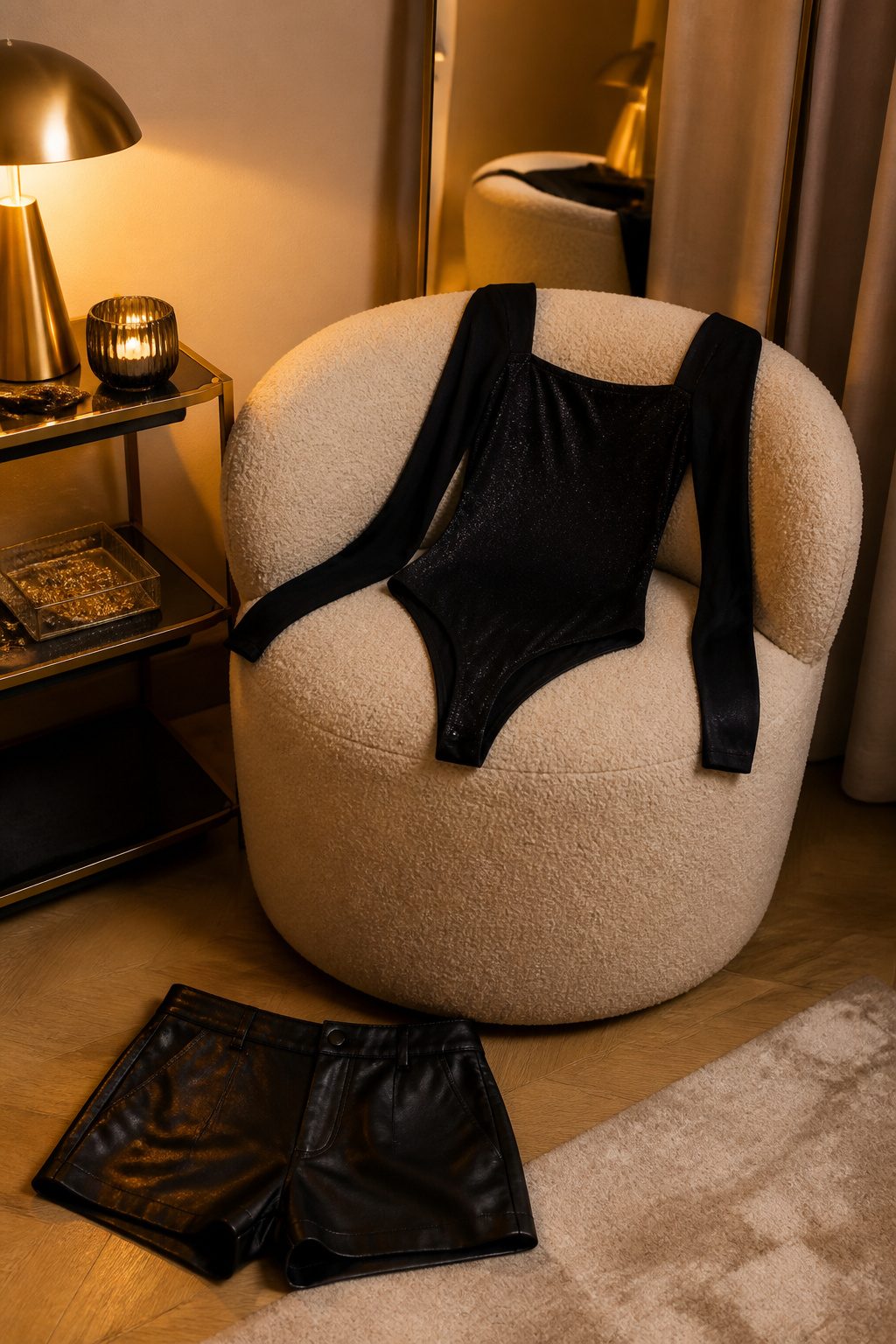
A fitted bodysuit gives you the clean upper-body line that defines the whole outfit, and the format you pick changes what you can do below it.
Long-sleeve versions in a jersey or rib knit hold their own against bare legs, so you can wear them with mini skirts or booty shorts without looking unbalanced.
Sleeveless cuts leave more visual room, which means they pair better with louder bottoms: wide-leg satin pants, sequin trousers, or printed mesh that would fight a busier top.
Cut-out bodysuits split the difference, adding structure at the neckline or waist so the silhouette stays interesting even over simple leggings.
The real advantage is no retucking after two hours of dancing.
A shirt rides up, bunches at the waist, needs constant adjustment. A bodysuit stays anchored, keeps the line smooth, and lets you stop thinking about your clothes.
If your bottoms are doing the work, keep the shoes simple. If the bodysuit is the focus and the pants are black or neutral, that is where metallic heels or platform boots earn their place.
3. Co-ord Sets
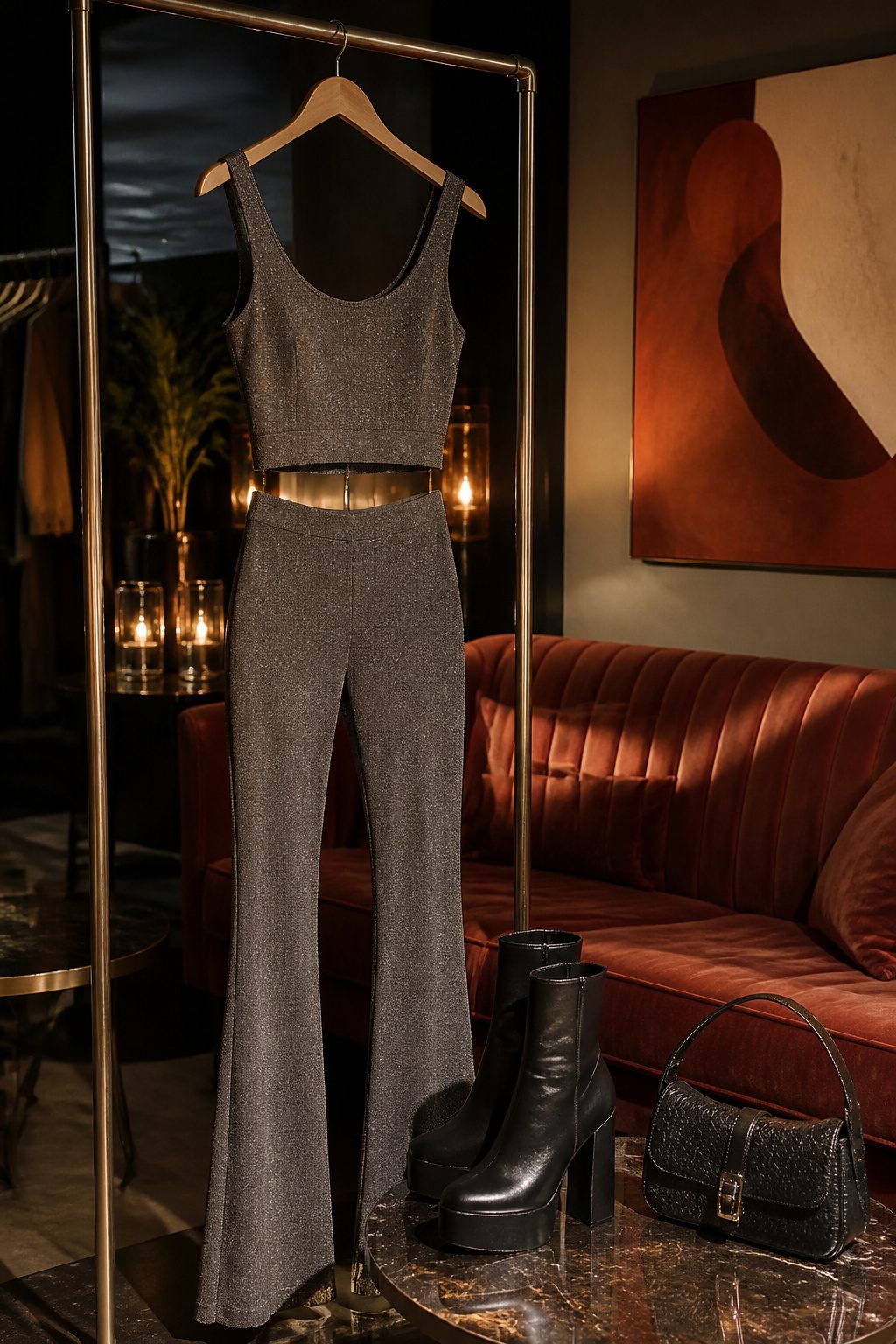
A matching set is one of the smartest answers if you want to look put together fast.
Two-piece outfits carry that styled-on-purpose effect even when getting dressed took five minutes. For nightlife, the best sets are usually a fitted skirt set, a crop top with flared pants, or a knit set with a little stretch and shine.
Monochrome works especially well here: white, black, charcoal, olive, and espresso tones feel elevated with minimal effort. If you want more edge, metallic finishes, mesh layers, or hardware details do the work without extra styling.
The real value shows up after the club.
Break the set apart the next week and you have two separates that already proved they work hard. The skirt with a different top, the crop with jeans, the jacket over a dress.
The piece that matches least obviously, like a textured skirt or a top with unusual hardware, becomes the anchor that earns its closet space. Some sets can feel too coordinated, though.
If the match reads stiff, throw a contrast jacket over it, carry a bag in a different texture, or swap in chunkier shoes. Polished, not packaged.
4. Catsuits
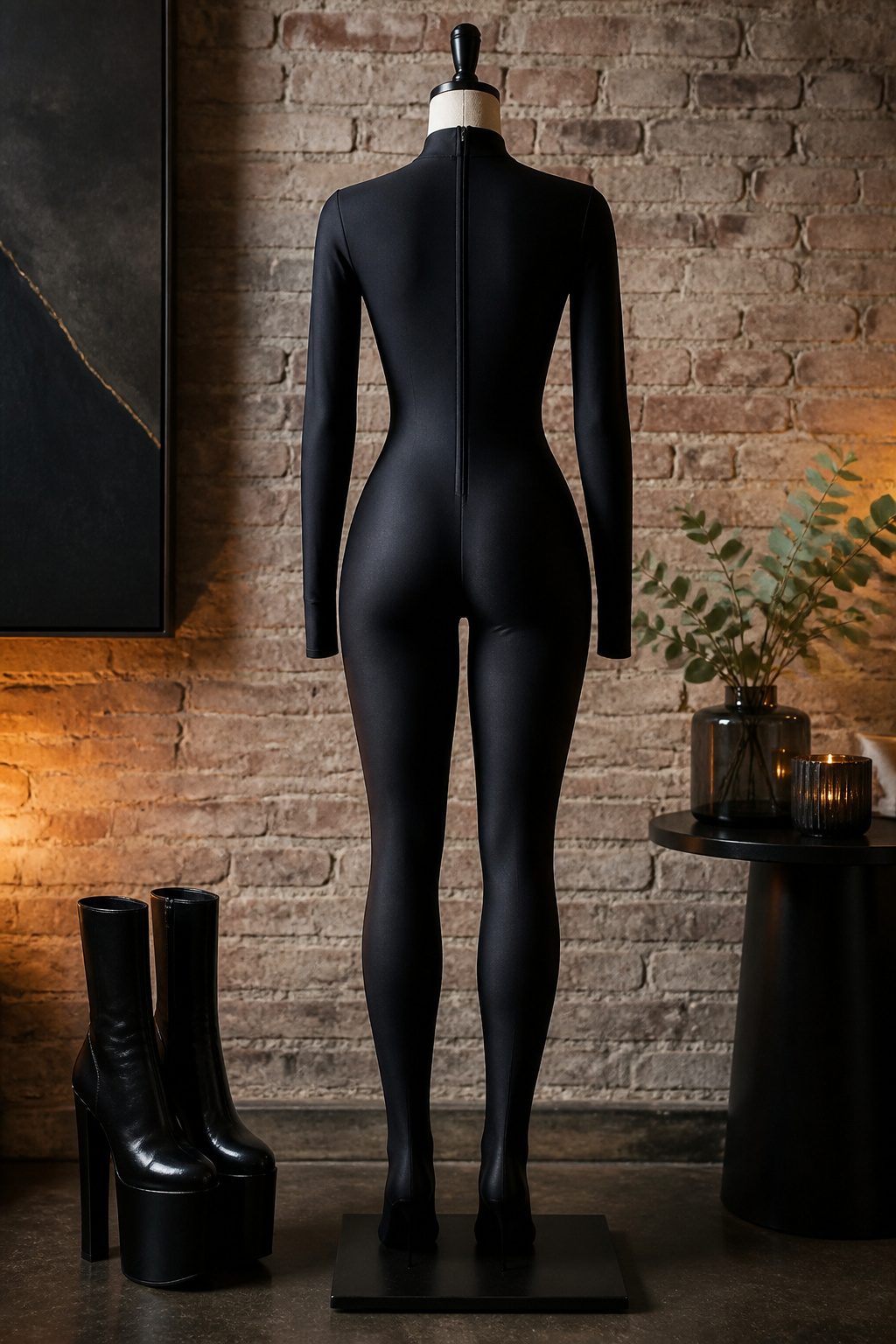
A full-body catsuit is the most radical standalone option in club outfits because it removes every decision except shoes and bag.
The catch is you are wearing one continuous surface from neck to ankle, so seamless, low-profile underwear or none at all solves the visible line problem; anything with a waistband or lace edge prints through stretch fabric under club lighting.
Bathroom logistics matter more than people admit. You need a two-way zipper, ideally running from neckline to lower back or from the neckline down through the crotch, or you will be nearly undressed in a stall.
Test the zipper before you buy; some catch at the waist seam when you are in a hurry.
Catsuits reward long waists and proportional hips because the uninterrupted vertical line elongates what is already balanced. They punish short torsos and pronounced midsection curves, where the fabric either pools or strains and the eye reads interruption instead of flow.
If you are broader through the middle, a catsuit with side paneling or strategic color blocking breaks the silhouette more forgivingly than a single solid expanse.
5. Statement Jumpsuits
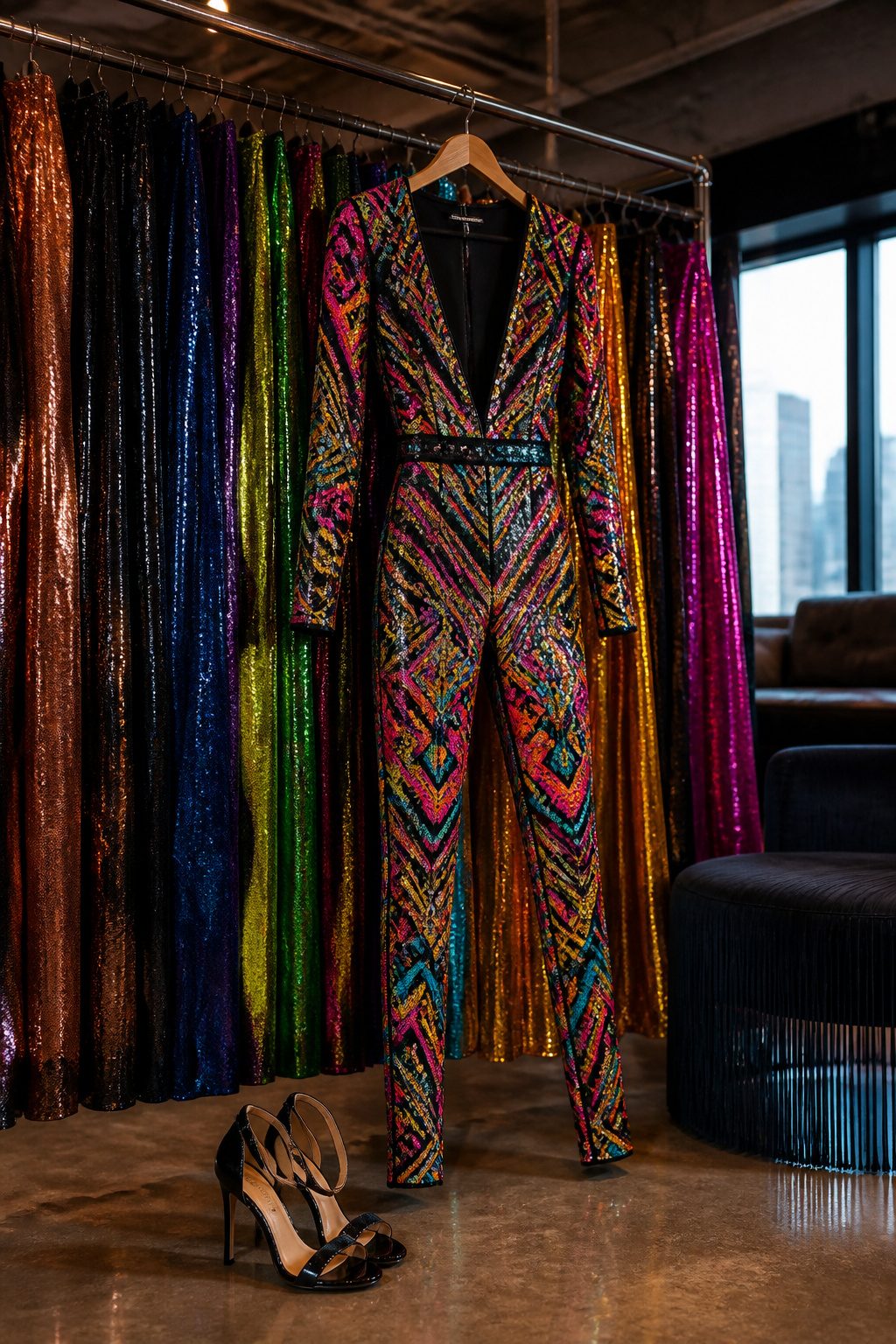
A full-body jumpsuit solves the problem you already know if you’ve worn a dress to three clubs in one month: the moment you walk in and see six other versions of yourself on the dance floor.
The Electrify Me Costume at $133.99 and the Radioactive Babe Costume at the same price both use UV-reactive detailing that only shows its full effect once blacklight and strobe hit it, which is why they are built specifically for high-energy nightclub and EDM formats rather than generic nightlife.
Yes, the bathroom situation is real.
You will be nearly undressed in a stall every time. The tradeoff is structural: a jumpsuit gives you one continuous line from shoulder to ankle, no separate pieces to hike up or readjust after an hour of dancing.
When a mini dress starts feeling like a costume you’ve already worn, a fitted full-body piece reads as deliberate rather than repetitive.
The All Black Costume at $128.99 runs darker and more minimal if neon isn’t your venue. Either way, you are choosing cohesion over mix-and-match flexibility: one garment, one statement, no decision fatigue at midnight.
6. Skirt Sets
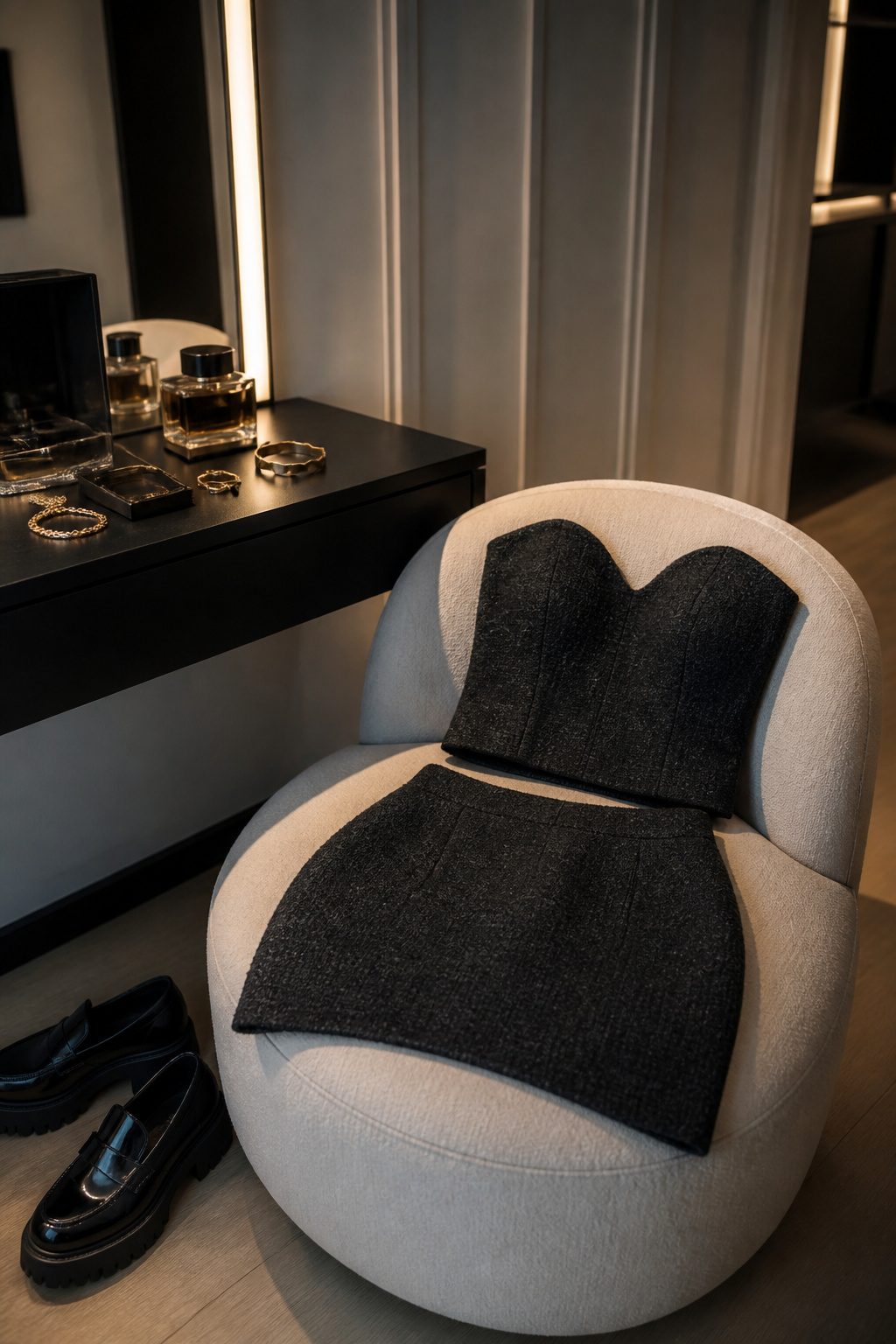
Skirt sets read as sharper than the looser co-ords trending elsewhere: the fit is tighter, the match is intentional, and the whole thing looks styled even if you only had five minutes.
For clubs, that structure works. A fitted top with a mini skirt keeps you cool on the dance floor, while a midi or asymmetric cut handles stricter dress codes without looking like you tried too hard.
Monochrome in black, charcoal, or espresso tones reads elevated at bottle-service venues where bolder prints might get a second look at the door.
If the set feels too coordinated, break it with a contrast jacket or chunkier shoes. The trade-off is real: polished can tip into stiff fast.
One way to play it is a corset top with a matching skirt, another is a knit set with stretch and a little shine. Either way, you skip the pants and the sweat.
7. Denim Outfits
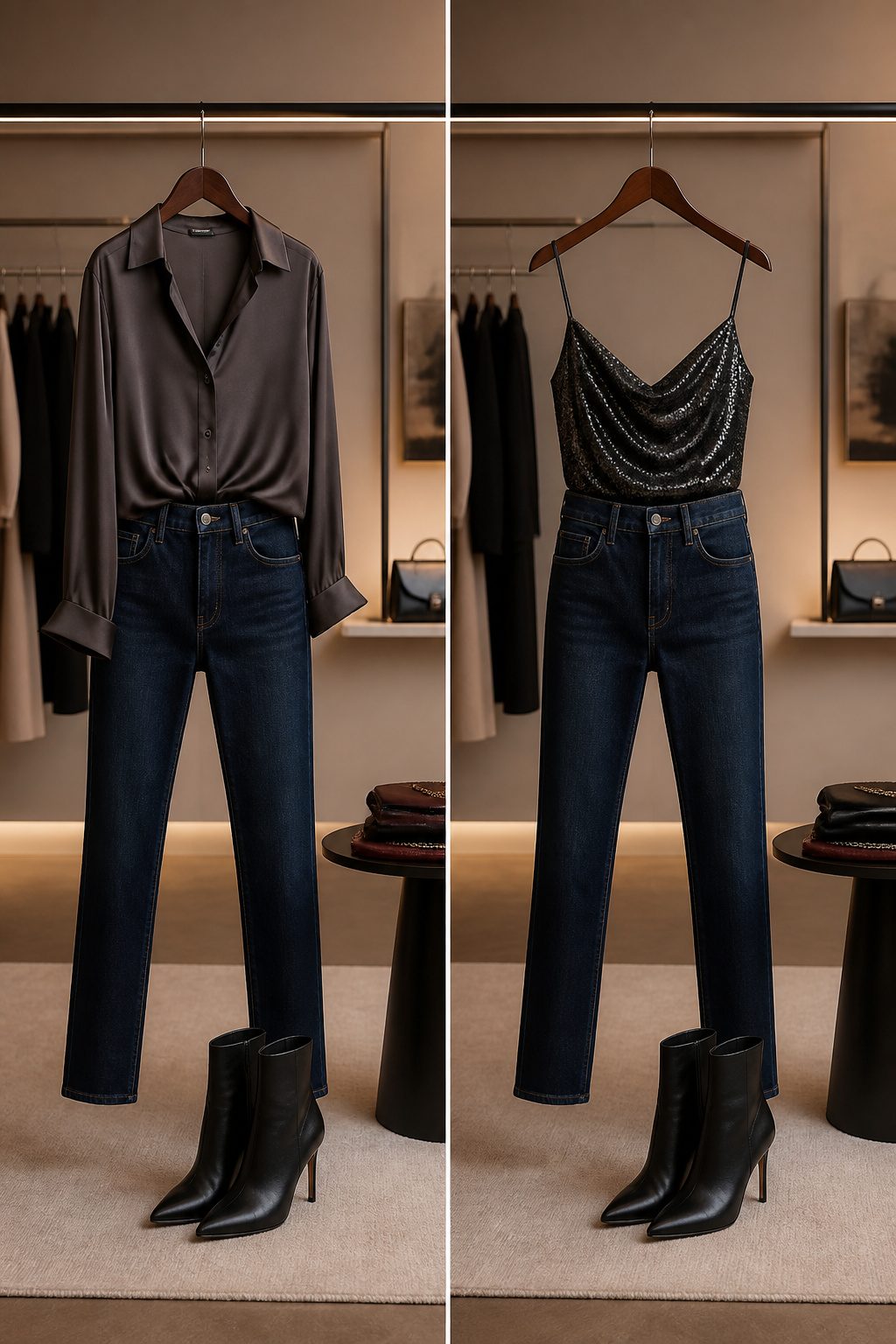
You can wear jeans to a club, but the door decides, not you. Dark wash, tailored cuts, and deliberate pairing with dressier pieces are what move denim past casual into territory a bouncer might accept.
Think slim-fit or straight-leg in clean, unripped fabric, topped with a silk blouse, structured corset, or sequined jacket, finished with heeled boots and sharp jewelry. That combination reads as nightlife-appropriate at casual to mid-range spots.
Distressed or ripped jeans face stricter scrutiny everywhere, and upscale venues in cities like Miami or Las Vegas often list denim as restricted outright, no matter how polished your top half looks.
Arriving in jeans at those doors risks rejection regardless of styling effort.
Your safest move is confirming the dress code on the venue’s website or social media before you commit. Mid-tier clubs typically accept dark jeans with fitted tops and clean footwear under a smart-casual standard.
Bottle-service clubs do not. The reliability of your night depends on that check.
8. Oversized Blazers with Base Layers
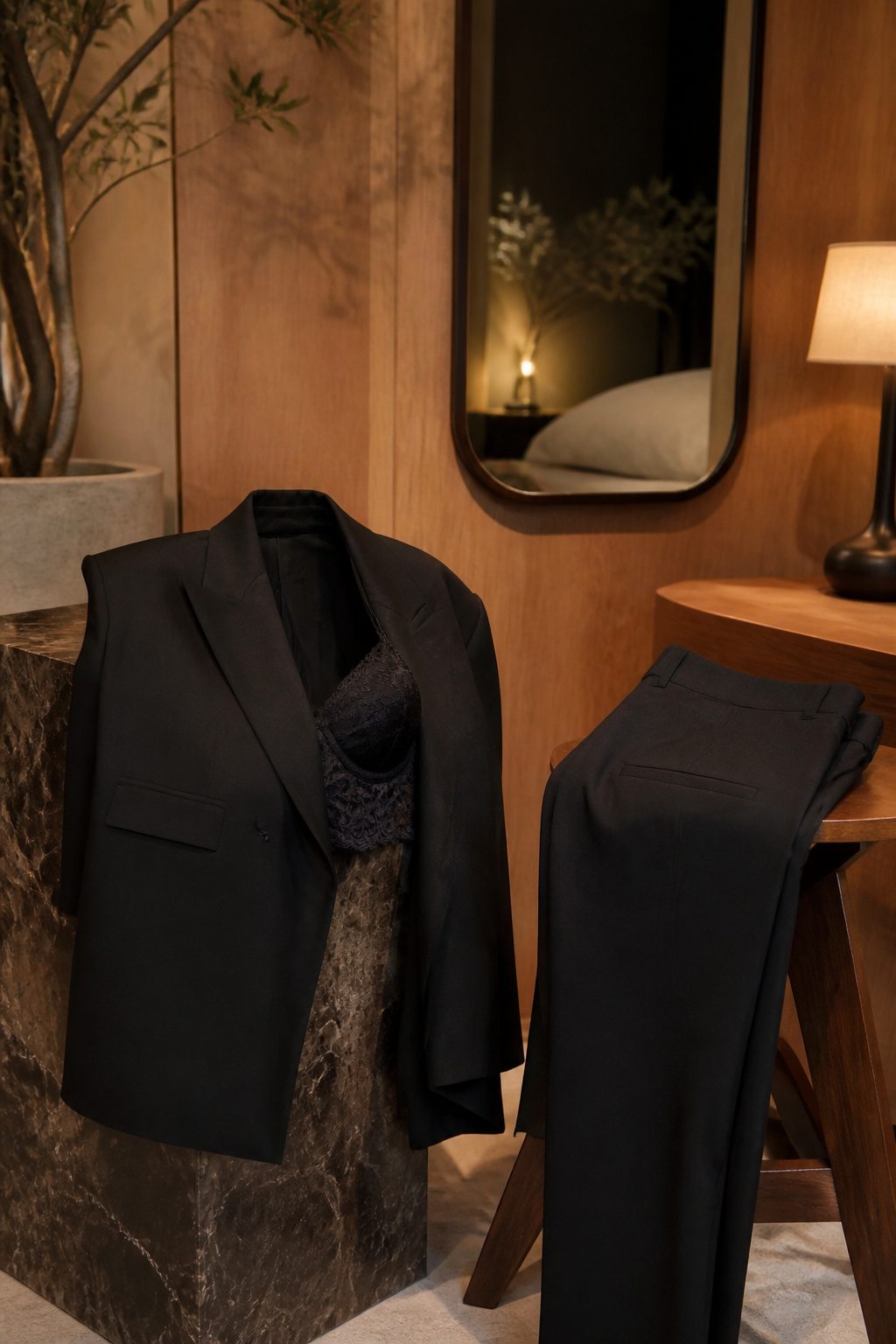
An oversized blazer works for club nights that start at dinner or hop between venues because the shape reads polished at a restaurant door and still holds up when you walk into something louder later.
The base layer underneath has to do the real work once the blazer comes off.
A bandeau, lace bralette, fitted bodysuit, or micro top keeps the look sharp rather than sloppy. That contrast between structured outer layer and minimal underneath is what makes the outfit feel intentional, not like you forgot to finish getting dressed.
Temperature swings are the practical reason this combination wins. Restaurants run cold, packed dance floors run hot, and coat check lines eat up half a song.
You can lose the blazer without losing the outfit entirely. The same logic applies to dress codes that shift from smart-casual early to something stricter at a second stop.
Black on black is the safest through-line, though gray, cream, and pinstripe blazers work if the base layer stays clean and the bottoms match the formality: mini skirt or faux leather shorts for more dressed up, tailored pants for slightly less.
Skip anything that looks office-bound. The blazer should look borrowed and roomy, not like you came straight from a meeting.
Sleek boots or heels, compact bag, minimal jewelry. Let the texture and proportions carry it.
9. Sparkly and Metallic Pieces
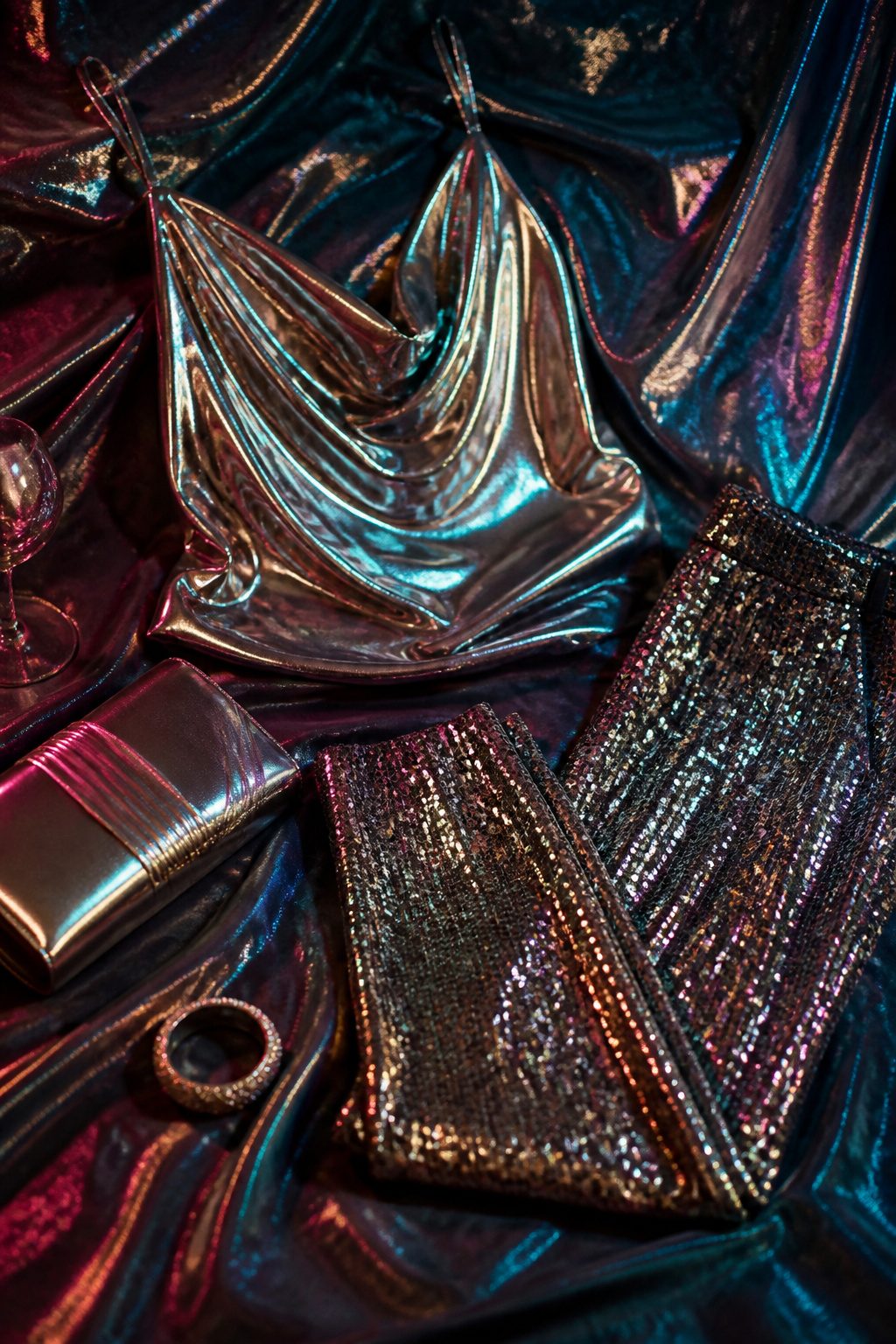
Mesh reads as bare without actually being bare, which is why it works under club lights that turn everything amber or blue depending on the fixture.
Faux leather catches low light in a way that makes basic silhouettes feel more expensive, but it runs hot in packed rooms, so one piece per outfit is the practical limit.
Satin photographs warmer than it looks in person, sometimes yellow, which matters if you are tagging the night later. For strobe-heavy rooms, metallic pants or a single reflective top do the work; full mirror looks read costume, not club.
The move is shine as an accent: metallic sandals with a statement top, or one UV-reactive piece if the venue runs blacklight, not head-to-toe flash.
10. What the Door Actually Wants
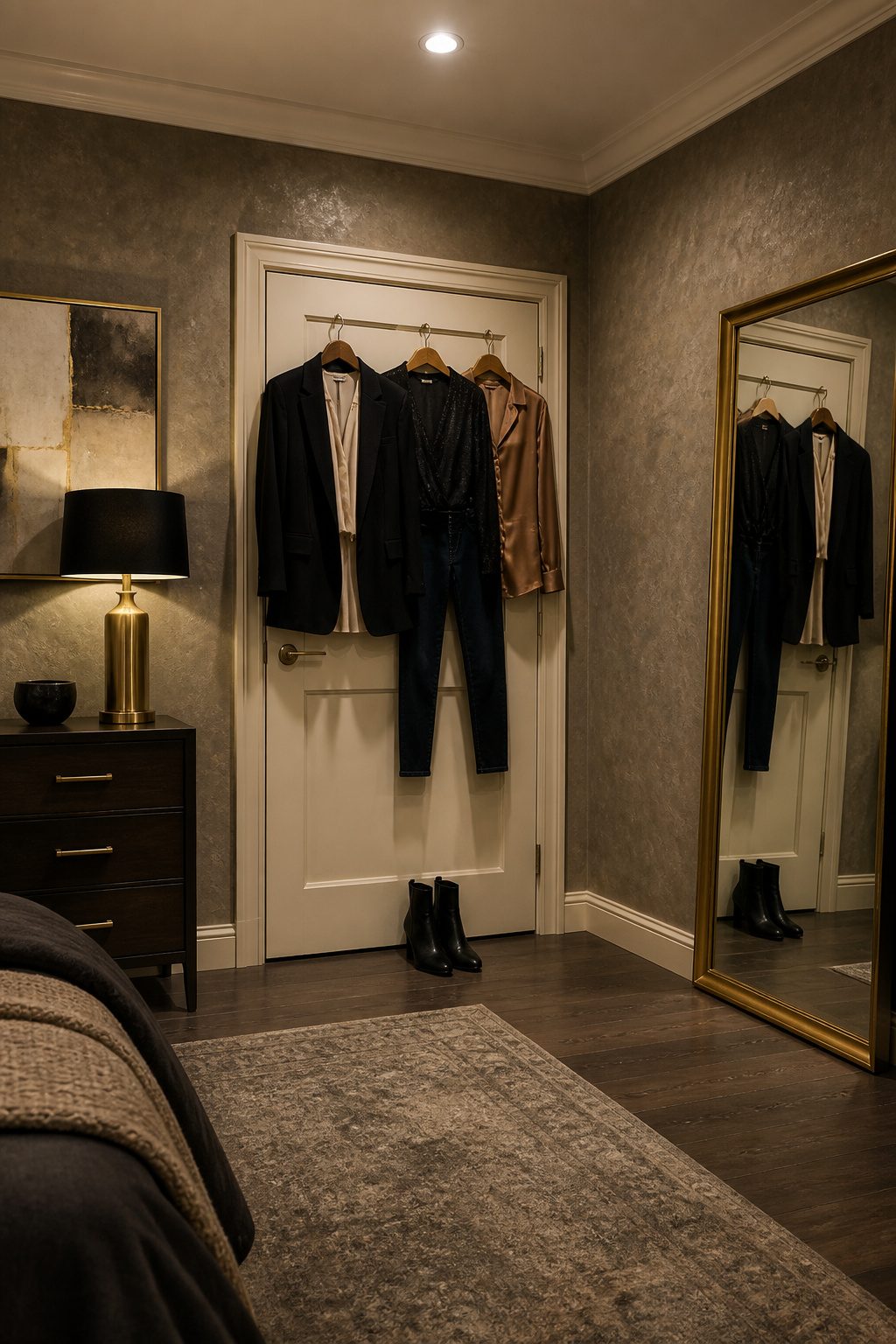
Bottle-service clubs in cities like Miami or Las Vegas enforce smart-casual to formal standards at the door, and athletic wear, caps, ripped jeans, and casual trainers will get you turned away even at midnight.
Mid-tier spots are more forgiving, accepting dark jeans and fitted tops as long as the footwear is clean, while casual bars with a nightlife component mostly want clothing that looks presentable.
The reliable move is checking the venue’s Instagram before you leave. Staff post stories and reels of actual nights out, and you can see what the people they let in are wearing.
Websites list written codes, but the photos show the real floor: whether jeans pass, how dressed up the crowd actually gets, whether the look leans dressy or edgy.
Arriving without that check means risking a rejection that no outfit change in the car fixes.
11. Footwear You Can Still Walk In
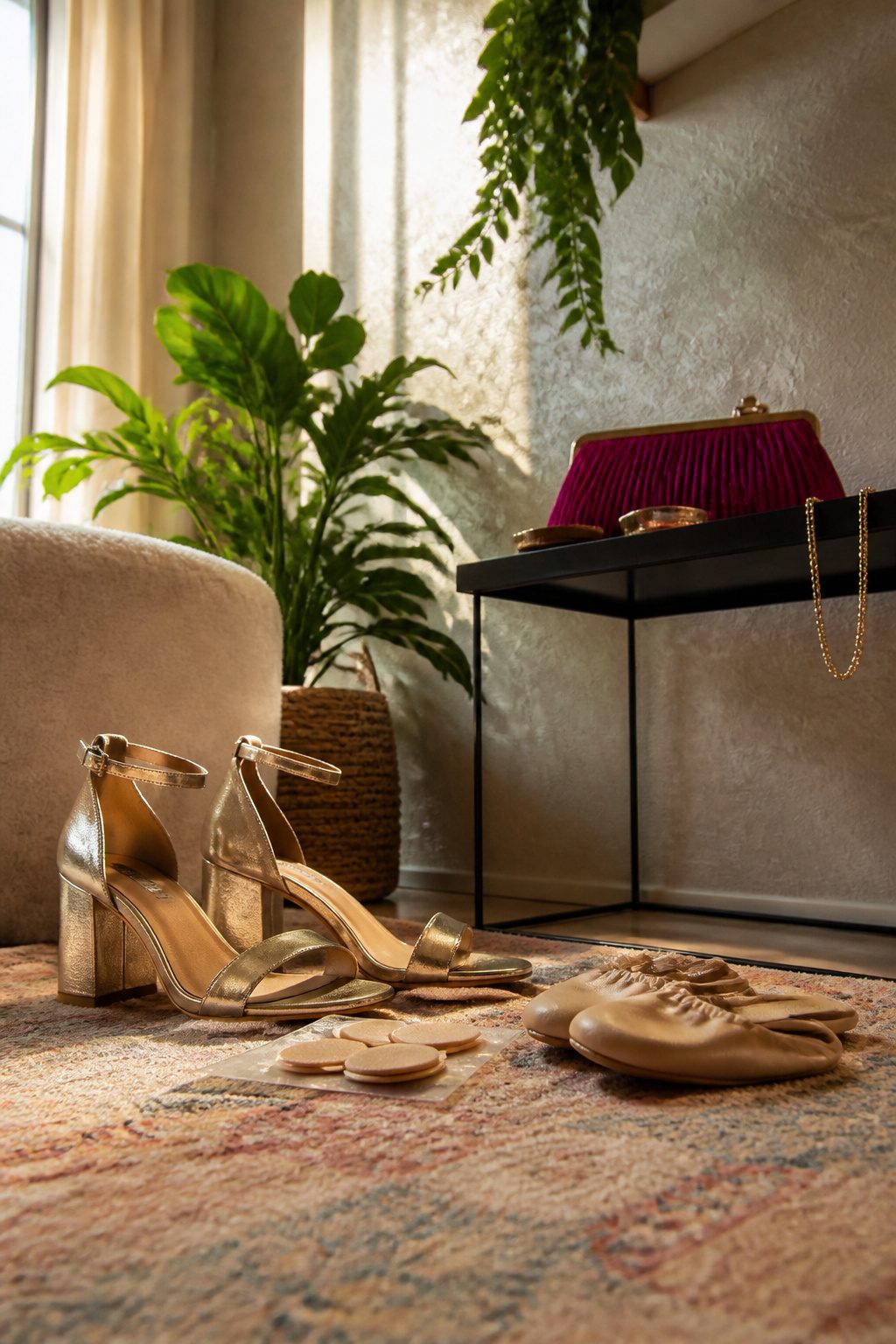
Block heels distribute weight across the whole foot, which matters more than height after hour three.
A three-inch block heel will outlast a two-inch stiletto for standing room only, and the difference shows up around midnight when the bar line stretches to the door.
Platform boots buy you height without the pitch, though the bulk can throw off the proportions of a shorter dress. Try the full look in a mirror at home, not just the shoes alone.
Strappy heels photograph well but the thin straps dig in after an hour of dancing.
If you choose them, pack blister pads and a foldable flat in your crossbody bag. The flat should slip on without a struggle in a dark bathroom stall.
You will know the heel was wrong not when your feet hurt, that is normal, but when you stop dancing to spare them. That is the point to switch, not after the damage is done.
Fabrics That Survive the Night
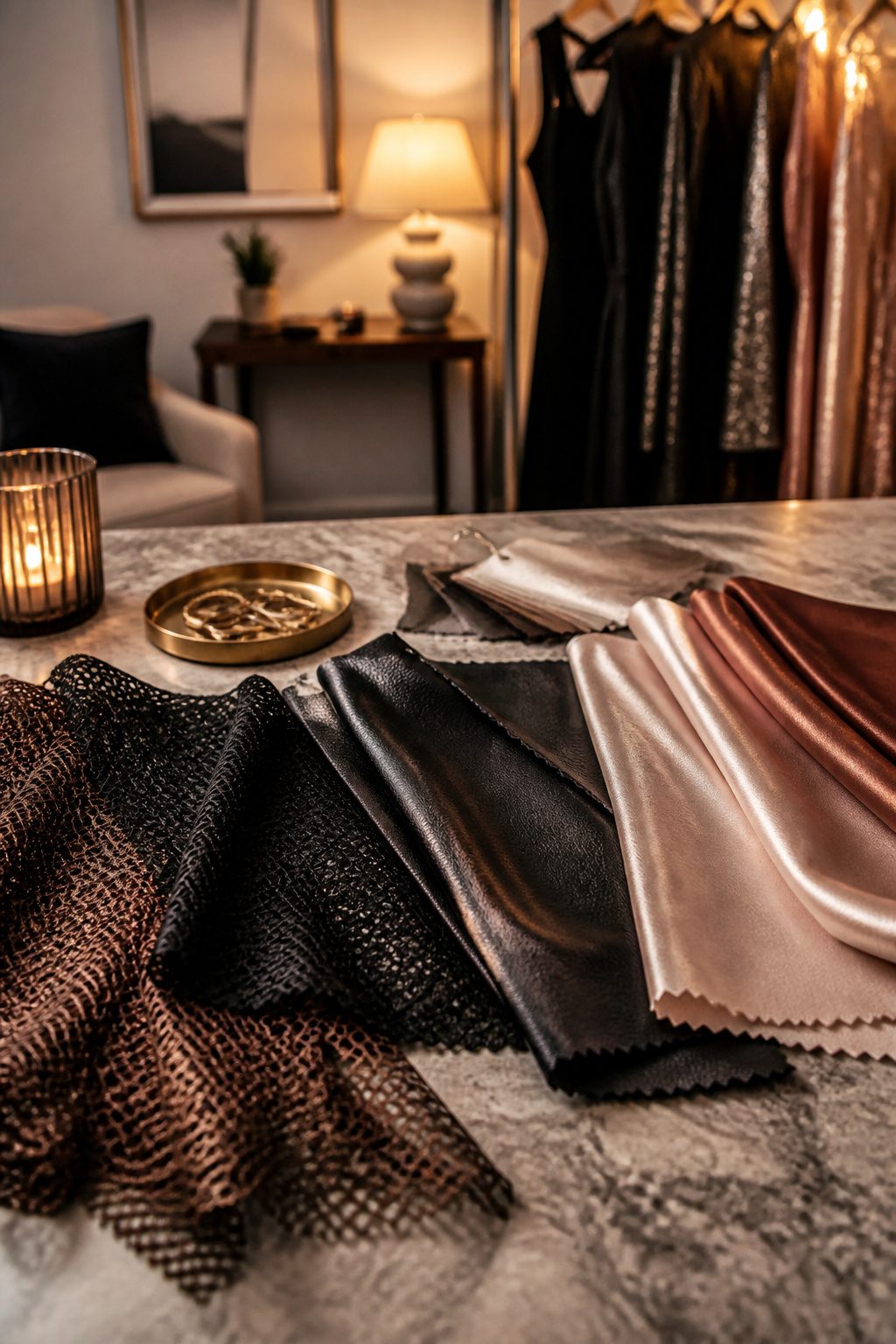
Mesh looks light but traps heat against your body once the club fills up, and the cheap kind pills where your bag strap rubs.
Faux leather gives that structured, expensive silhouette, though it does not breathe at all; you will feel the sweat pool at your lower back after an hour.
Satin is the riskiest of the three. It shows underarm dampness within minutes under direct light, and the sheen turns oily instead of luminous.
Before you buy anything, take it into the store bathroom and stand directly under the overhead bulb. If the fabric looks different in that light than it did on the rack, it will look different in the club.
Rub the inner thigh area against itself for ten seconds. If it pills or heats up fast, that is your whole night.
Layering Without Losing the Look
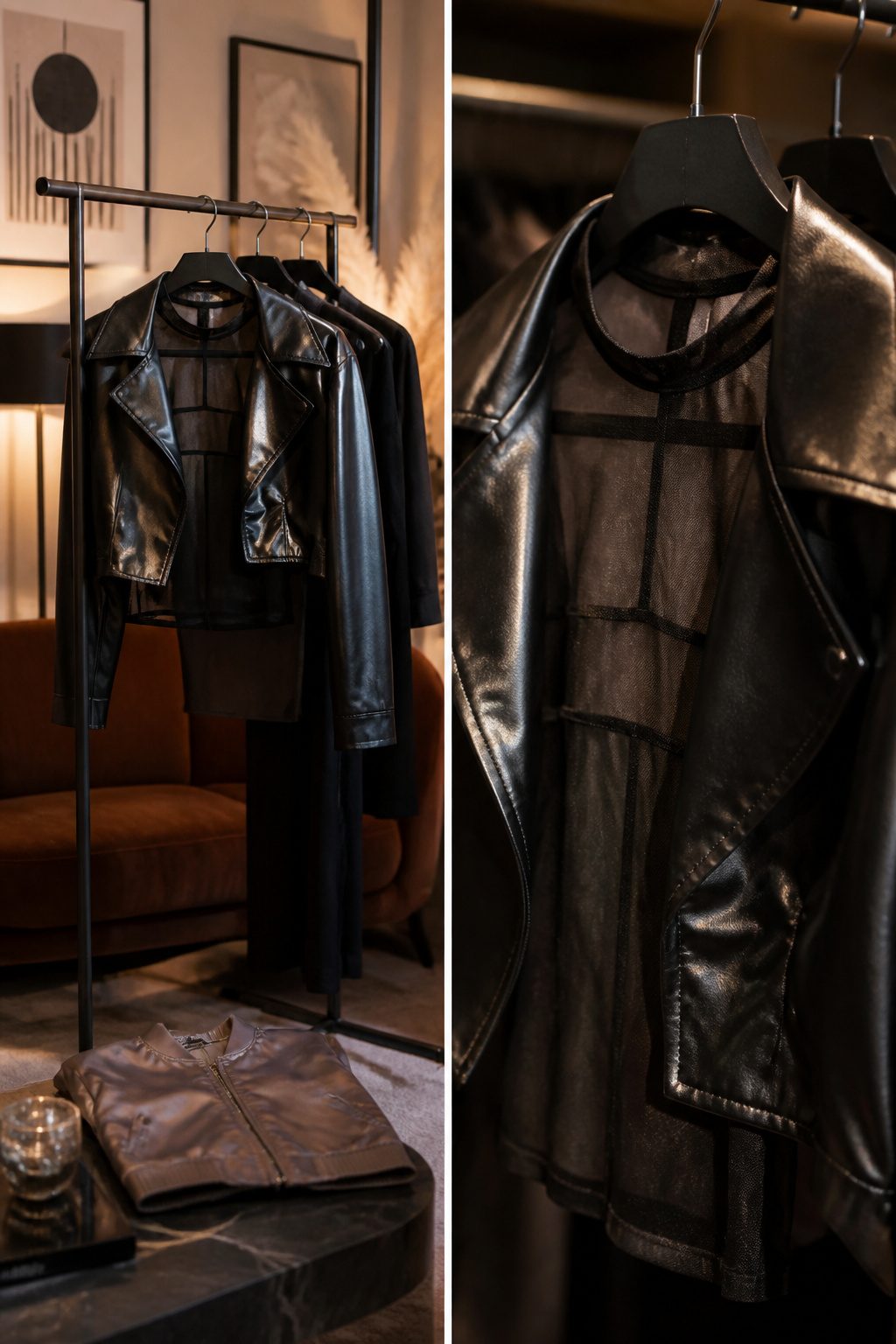
A sheer mesh top layered under a cropped bustier gives you coverage that still reads as clubwear, not something you threw on because the thermostat broke.
Drape a lightweight vinyl or faux-leather jacket over your shoulders and skip the arms entirely; it frames the outfit without swallowing it and comes off clean when the floor fills.
For the moment coat check is full or the line is twenty deep, a jacket with a short chain or thin strap looped through the collar lets you wear it cross-body like a bag, hands free, nothing on the sticky floor.
The pieces worth carrying are the ones that look deliberate even when you are not wearing them.
A satin bomber held by its collar at your hip reads as styling choice. A structured blazer folded over a chair looks abandoned.
Temperature in most clubs swings fifteen degrees from the door to the back wall, so you want something thin enough to roll to the size of a burrito and light enough that you will actually carry it home.
Frequently Asked Questions
What is considered club attire?
Mini dresses, fitted bodysuits, catsuits, co-ord sets, and statement jumpsuits are the core club outfit types that read as intentional nightlife wear.
What separates club attire from daywear is contrast and movement: tight balanced with loose, loud paired with quiet, and fabrics like mesh or faux leather that catch club lighting.
The outfit needs to work for four to six hours of standing and dancing while still photographing well from every angle.
Is there a dress code for clubs?
Yes, and it varies sharply by venue tier.
Bottle-service clubs in cities like Miami or Las Vegas enforce smart-casual to formal standards and will turn away athletic wear, caps, ripped jeans, and casual trainers. Mid-tier spots usually accept dark jeans with fitted tops and clean footwear.
Your safest move is checking the venue’s Instagram before leaving; staff post stories showing what the crowd actually wears, which reveals the real floor better than any written policy.
Can you wear jeans to a club?
Sometimes, but the door decides, not your styling. Dark wash, slim-fit or straight-leg jeans in clean, unripped fabric can pass at casual to mid-range clubs when paired with a dressy top, heeled boots, and sharp jewelry.
Upscale venues often list denim as restricted outright, and distressed or ripped jeans face stricter scrutiny everywhere.
Confirm the dress code on the venue’s website or social media before you commit; arriving without that check risks a rejection no car outfit change fixes.
How to dress for a club night out?
Dress for the energy of the night, not just the dress code. Start with one strong piece, a mini dress, fitted bodysuit, standout pants, or a sharp jacket, and keep everything else supporting it.
Build a rotation that covers most plans: a great mini, one bodysuit, standout pants, a sharp jacket, and shoes you can last in.
The outfit has to survive heat on a packed floor, look right in photos, and still feel like you when you are not posing.