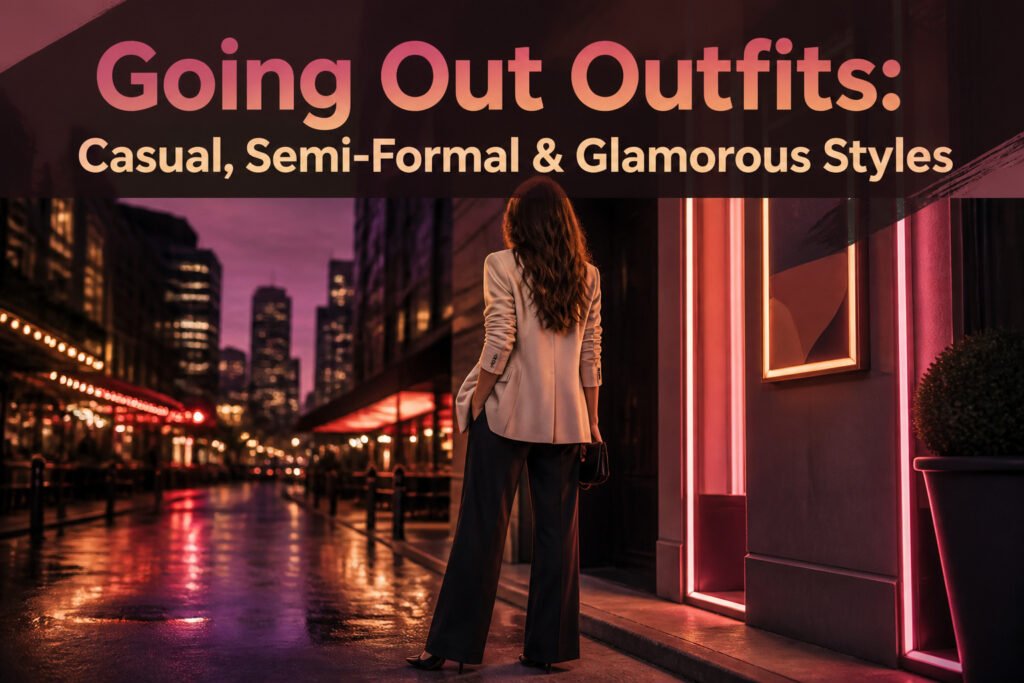
A going out outfit is whatever you wear after 7 PM that reads intentional in dim light and holds up through sitting, standing, and walking between venues. The difference between looking polished and looking like you misread the room comes down to one thing: matching the social contract of the event before you match the pieces in your closet. Dark-wash jeans with a tailored blazer works for the bar that does not list a dress code; a midi dress in hammered satin is what you wear when there is a coat check.
Casual Night Out Outfits
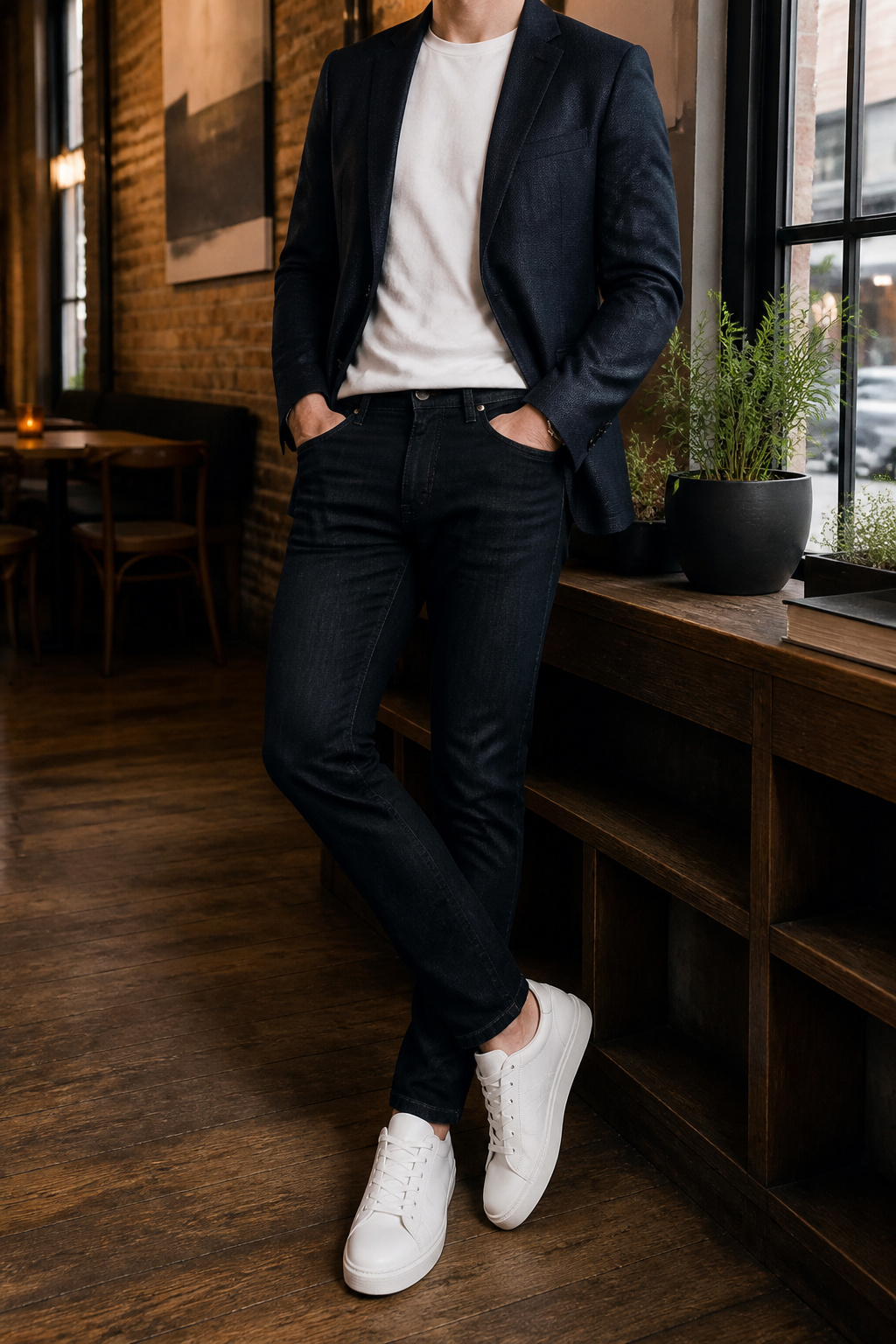
Dark-wash jeans are the easiest starting point for a casual night out, and the difference between looking put-together and looking like you came straight from the office comes down to three things: fit, wash, and how you style them. A slim or straight leg in a deep indigo reads intentional; the same fit in a light wash with distressing drifts toward weekend errand territory. For dinner with friends or a low-key bar, pair those dark jeans with a tailored blazer over a simple T-shirt or a silky cami. The blazer does the heavy lifting. You get structure without trying too hard, and you probably own one already. If the blazer is neutral, a pastel or even a bold color underneath keeps it from feeling like workwear. Skip the heels; clean white sneakers or ankle boots finish the look without fighting the relaxed mood. The whole thing takes maybe ninety seconds to pull on, and it works for a movie that turns into drinks after, or the other way around.
Semi-Formal Night Out Outfits
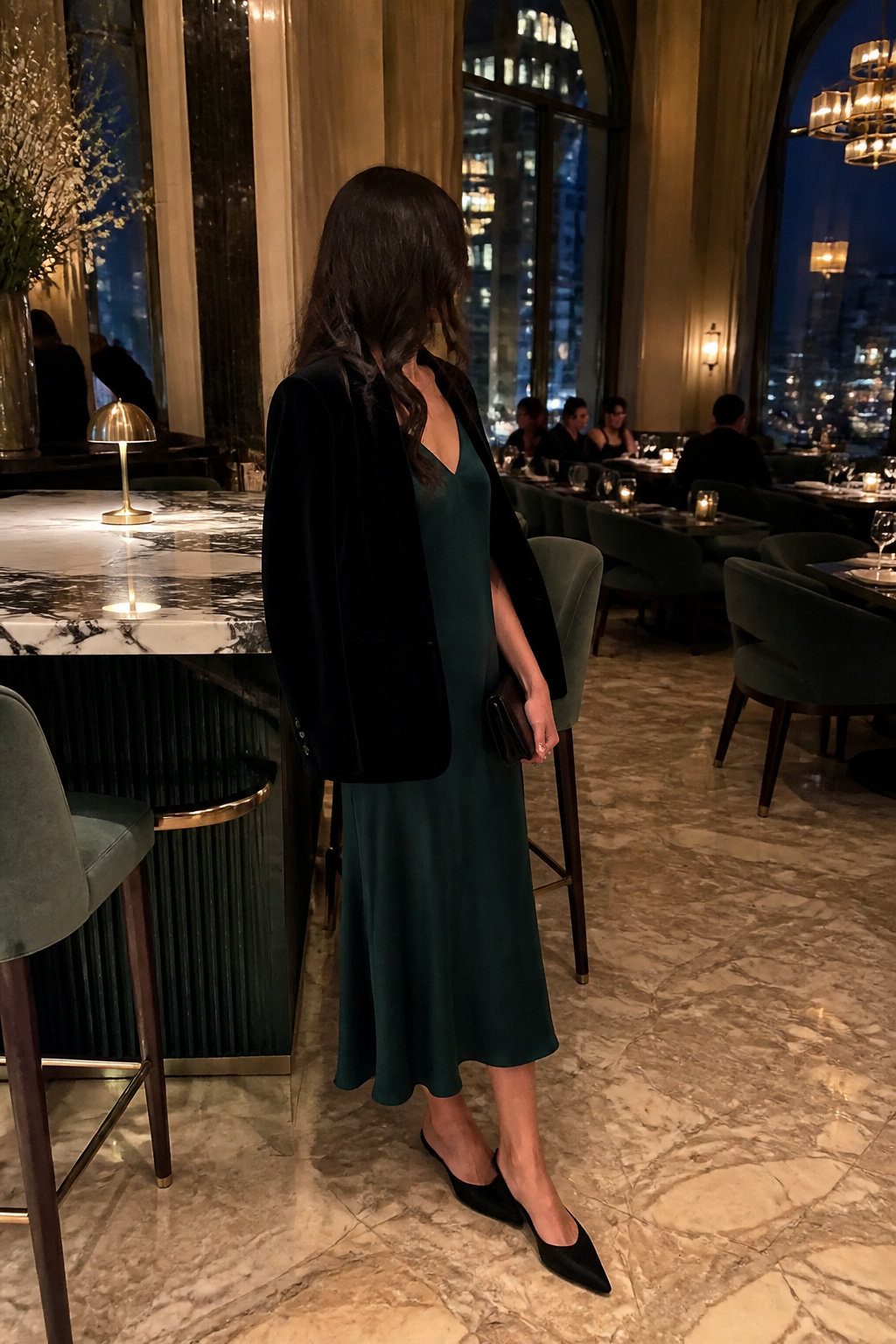
768 products sit in BeeTeeCo’s going out listings right now, and the bulk of them crowd this exact middle space. That is not a help. You need a filter, and the one that works is occasion first: restaurant, theater, the work thing that becomes drinks. For those, a midi dress is the one piece that rarely misses. The length handles sitting and standing, the cut reads dressed-up without begging for attention, and you can vary the sleeve or neckline to match what you already own.
The alternative, when you have worn that dress to the last three events, is tailored pants with a silk or satin top. High-waisted trousers lengthen the line; tucking the top keeps it intentional. Pointed-toe flats or heeled boots finish it, and a structured bag keeps the whole look from slipping toward office-wear. A jewel tone or a bold print on top adds the personality that makes it yours.
Glamorous Night Out Outfits
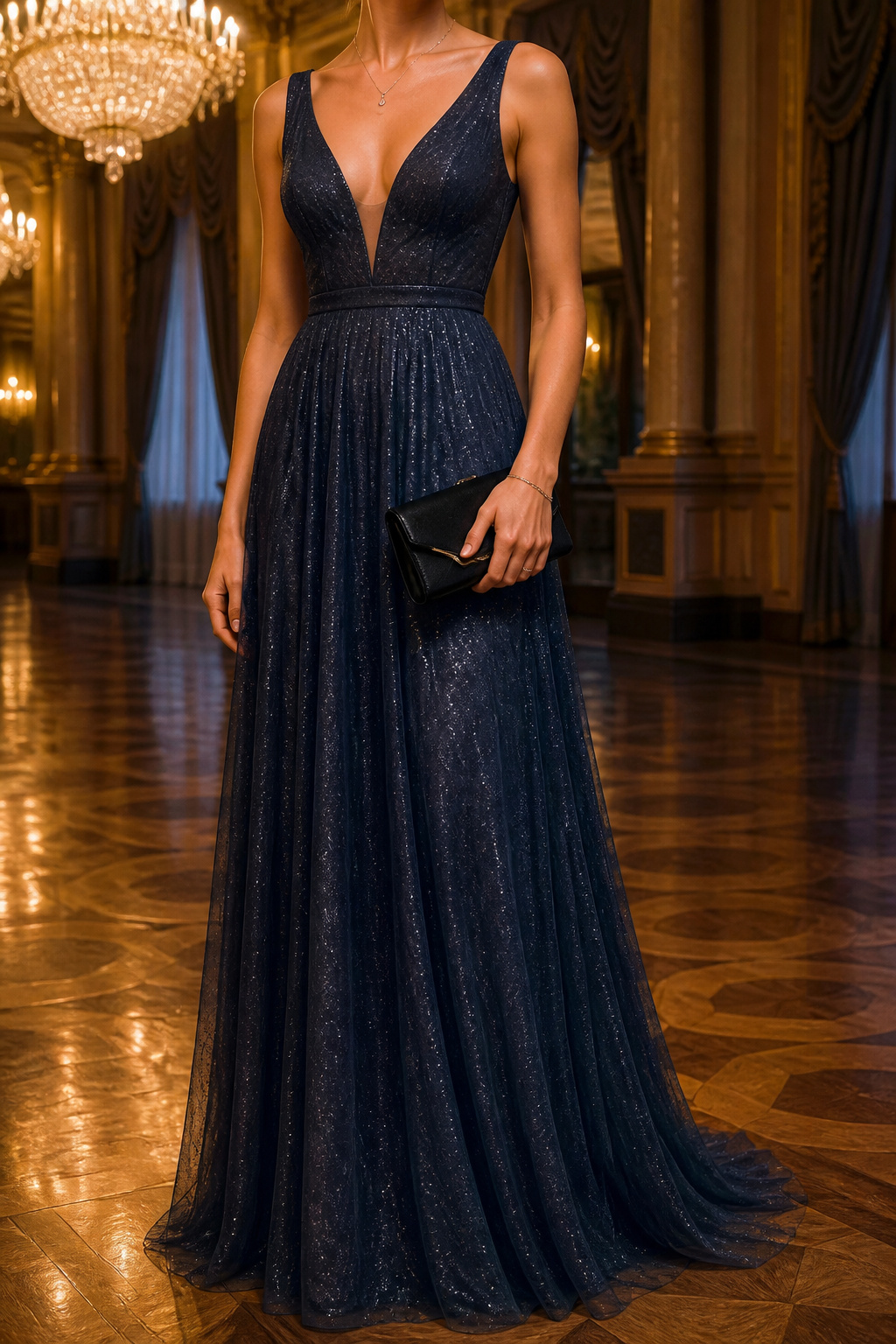
A floor-length gown reads as effort when the room expects it and costume when it does not. Save the fitted, A-line, or flowing silhouette for black-tie events, charity galas, and formal weddings where the invitation already set the bar. Pair it with a sleek clutch, statement jewelry, and elegant heels. A faux fur shawl or statement coat adds warmth on winter evenings without breaking the line of the look.
Sequins and metallics work on the same principle. They signal celebration at birthdays, New Year’s, and milestone parties where everyone else dressed up too. The mistake is wearing them to an occasion that only called for semi-formal; then the shine looks like you misread the room, not like you brought the fun.
The right going out outfit sets the vibe for the evening, boosts your confidence, and makes the night unforgettable.
— Macy’s
That confidence only holds when the outfit matches the social contract of the event. Read the room before you read the label.
Statement Tops with Chic Bottoms
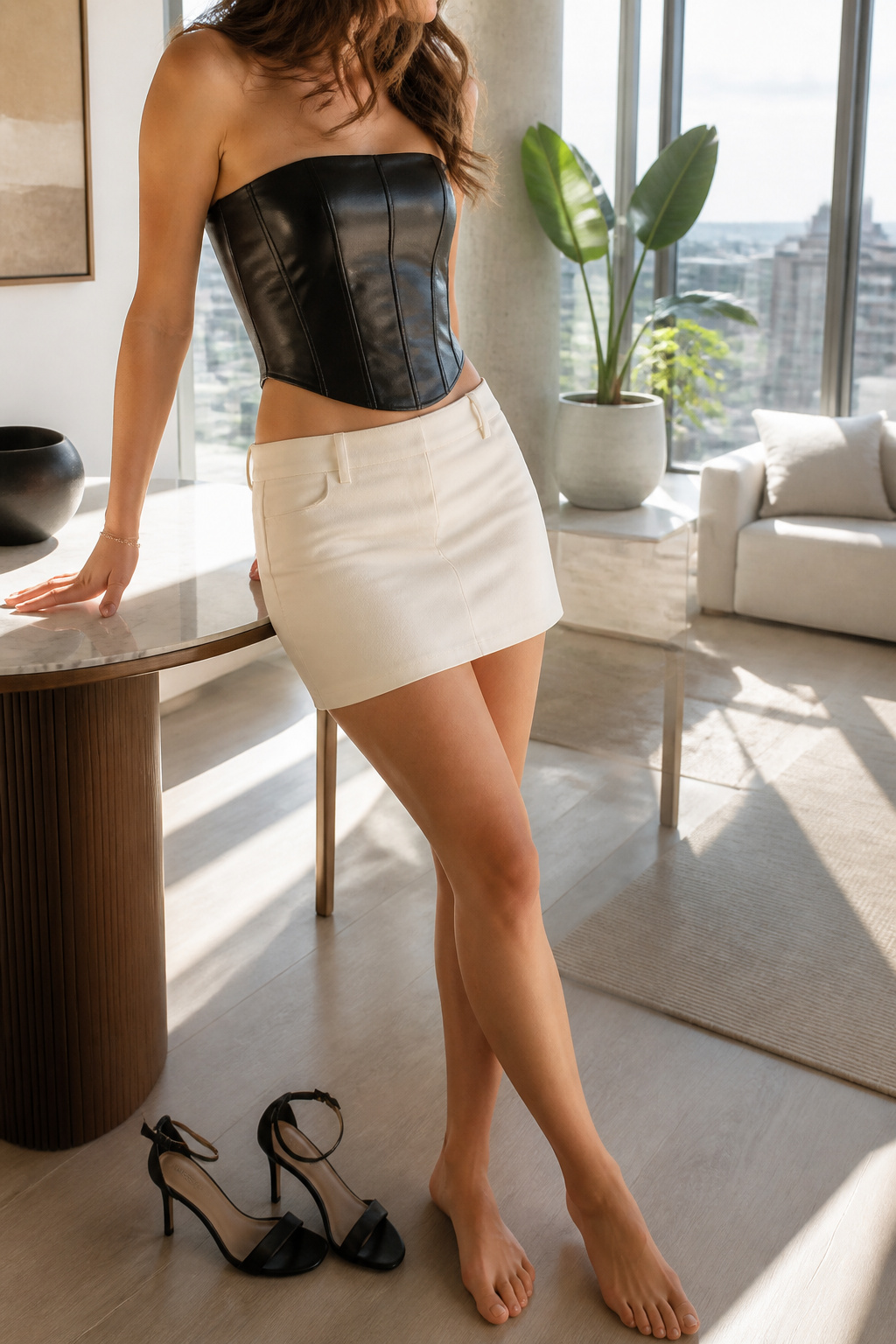
A $20.00 bandeau faux leather panel corset top with code TAKE20 does most of the work in this pairing. You wear it with a $25.60 mid-rise tailored mini skirt, also with TAKE20, and the balance is immediate: one piece talks, the other listens.
This is the formula that saves you from buying whole new going out outfits every season. The top brings the shape and texture. The skirt stays quiet in cream or lemon, high-waisted and tailored so the line stays clean. One interesting piece, one quiet piece is the rule, and it means your closet of basics suddenly has more range than you thought.
You already own the black heels. You already own the small bag. The corset top is the only new variable, and because it sits at the waist and ends at the hip, it works with any mid-rise bottom you have. The skirt from the same code keeps the proportion intentional, but a pair of relaxed-fit trousers or leather pants you already own would read the same way. The top is doing the heavy lifting.
Effortless Denim and Blazers
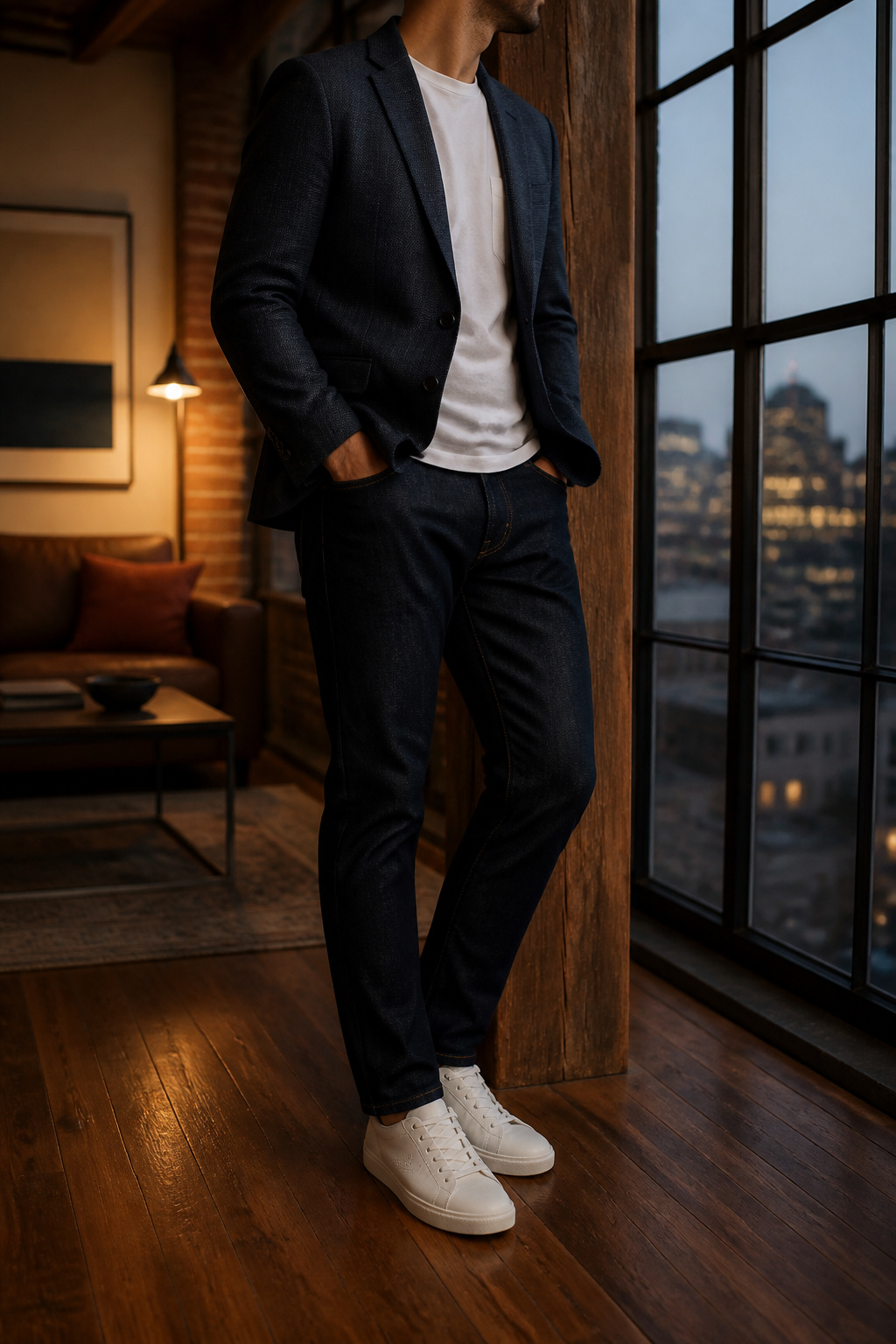
Jeans with a blazer sit in a useful middle space that plain casual never quite reaches. Dark-wash denim is your polished base; the deeper color reads intentional rather than thrown-on. Pair it with a structured blazer and you have enough formality for a reservation somewhere that prints menus. Light washes work only if the blazer carries the weight, meaning heavier cloth and sharper shoulders.
The shirt underneath decides the temperature, literally and socially. A simple T-shirt keeps the look grounded for drinks at a casual bar. Switch to a silky cami and the same combination crosses into evening without changing anything else.
Layering matters more than most people plan for. Restaurants that blast AC will freeze you in a cami alone, so bring the blazer or add a thin knit underneath. Evenings that start warm tend to cool off, especially if your night moves outside or between neighborhoods. A blazer you can actually wear all evening, not just carry, solves both problems.
Fit note: the jeans should be the pair that works all day, not the stiff ones you save for standing only. If you are walking to the restaurant or between bars, this matters more than the exact wash.
Midi Dresses with a Twist
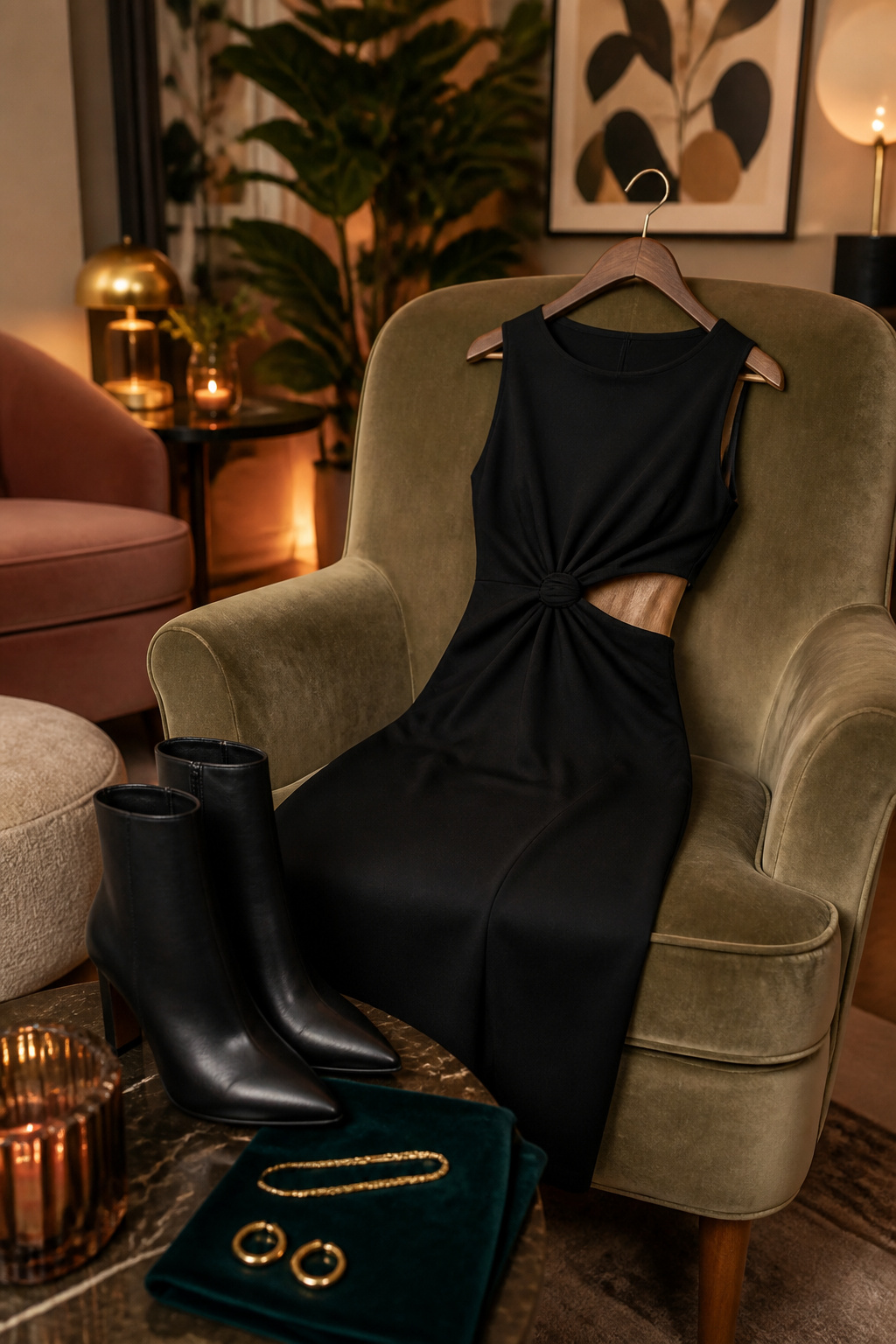
A midi dress lives or dies on whether it moves with you or against you. The safest buy sits right at the knee, not mid-calf where it shortens your stride and pools when you sit. Necklines matter more here than in shorter dresses because there is more fabric competing for attention. A square neck balances broader shoulders; a soft cowl adds shape where you want it. What makes a midi feel current rather than matronly is the twist: one unexpected detail that reads as choice, not default. That might be a single cutout at the ribcage, a back that dips lower than the front, or a color you would not wear to the office. Texture does the same work. A hammered satin or a matte crepe catches light differently than basic jersey and signals you dressed for the evening deliberately. Fabrics with a little weight travel better than floaty ones; they do not crease across the lap in the car or need smoothing every time you stand. If you are buying one midi to cover multiple occasions, skip the all-purpose black and look for a deep plum or rust. It photographs better, works with the gold jewelry you already own, and reads as dressed up without needing heels you cannot walk in.
Tailored Pants and Silk Tops
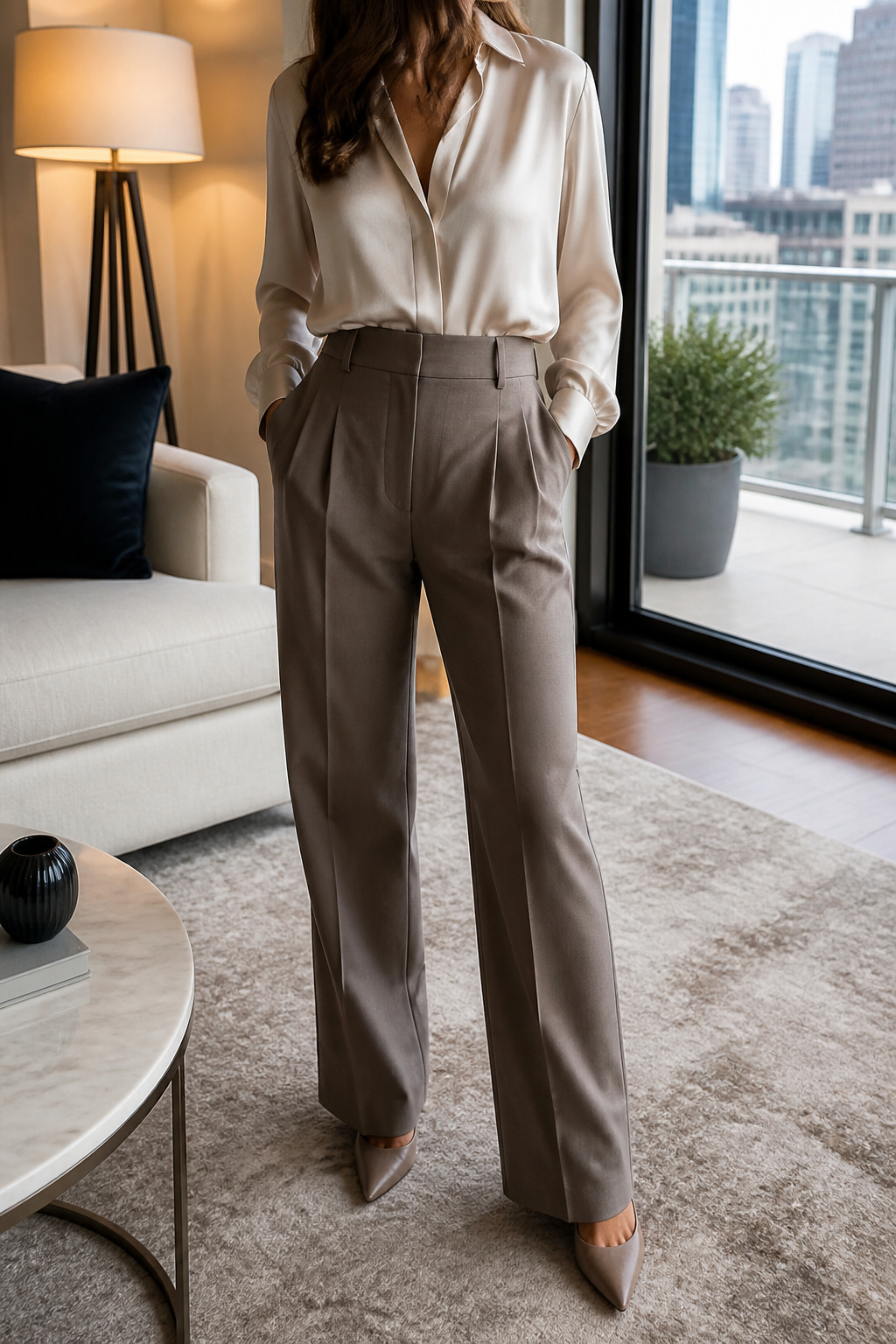
Structured pants with a fluid silk top flip the usual statement-piece formula. The interest sits below your face, which reads as quieter confidence than a loud blouse ever manages. High-waisted trousers elongate the leg line, and tucking the top keeps the waist defined without looking assembled.
This pairing wins at job-adjacent dinners, networking events, and semi-formal parties where you need to look considered but not dressed up. It also balances apple and inverted-triangle shapes: volume on top softens broader shoulders or a fuller bust against a clean leg line.
Silk demands a contract with reality. It wrinkles where you sit, shows water spots from a spilled drink, and most home washers will ruin it. Dry clean or hand wash in cold, lay flat, and accept that a real silk top needs more care than the polyester version that only looks like silk. That friction is the cost of how it moves and catches light.
Heeled Boots for a Sophisticated Edge
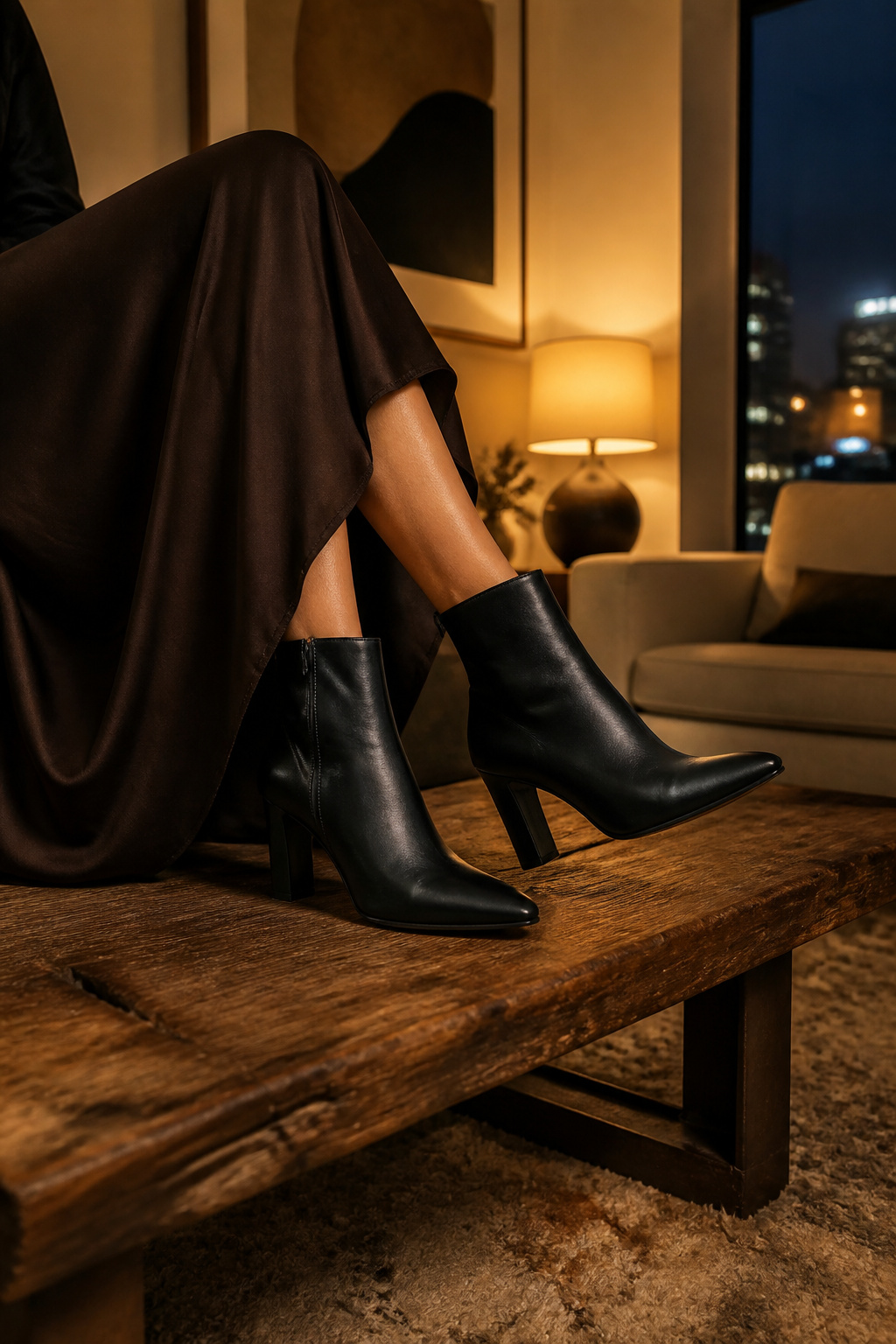
Heeled boots do the work of switching an outfit from daytime to after-hours without changing anything else you have on. The height of the shaft matters more than most people notice. An ankle boot that stops right at the pant hem creates a clean line; anything higher or lower breaks the leg visually. With dresses, that same shaft height can cut you off at the wrong place, so the gap between boot top and hem should be either very narrow or deliberately wide, nothing in between.
Three inches is about where sophistication stops being practical for a night of standing. Below that, you get the lift without the wobble. Above it, you are managing your feet instead of your evening.
These read polished when the rest of the outfit stays simple: dark denim, a single interesting top, nothing competing. They try too hard when the boot itself becomes the statement, buckles and hardware everywhere, or when the heel is higher than the occasion warrants. A dinner that ends at midnight is not the same as a wedding after-party; the boot should not dress for the more dramatic event.
Sequins and Metallics for Bold Looks
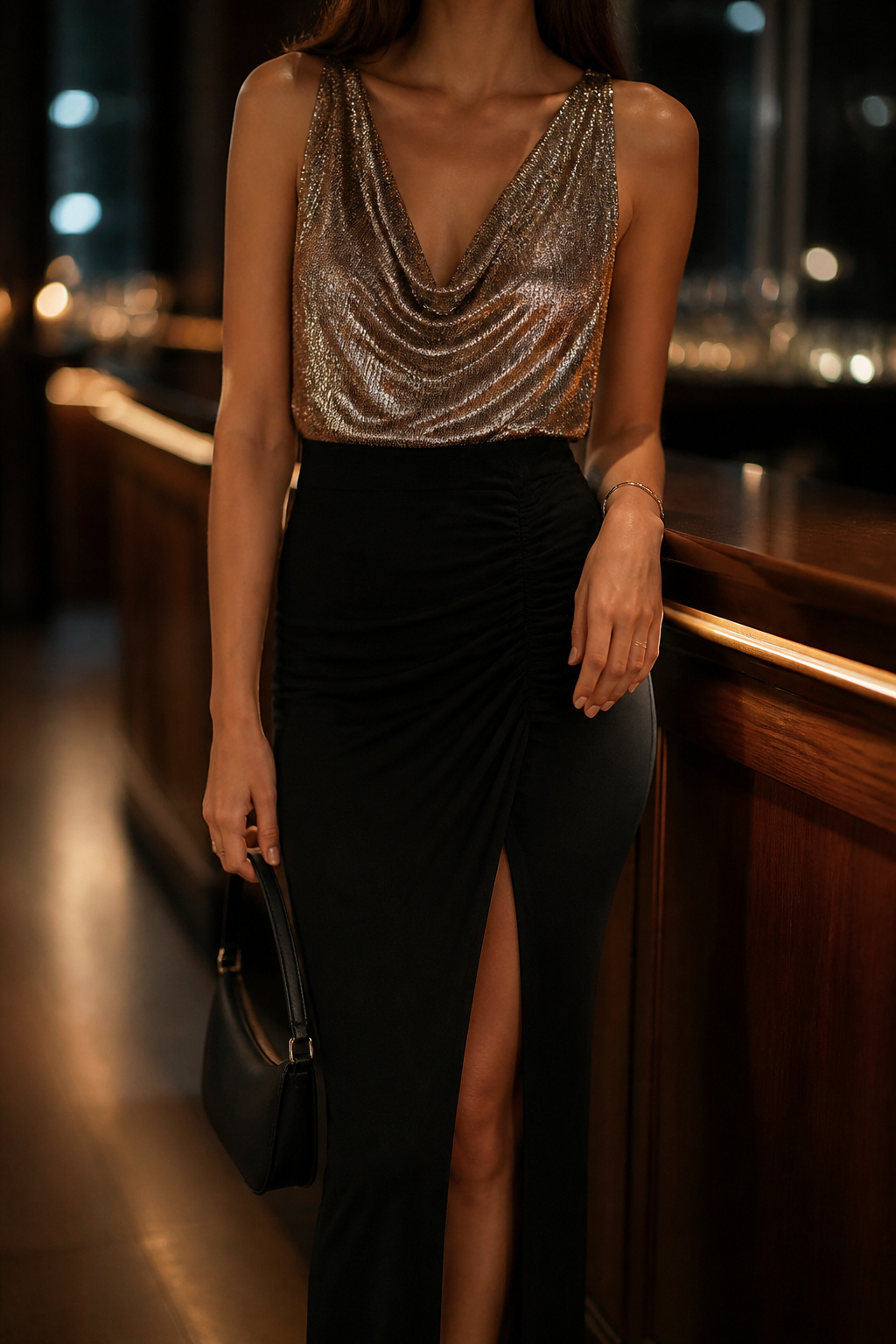
A metallic top with a sleek skirt or a sequined dress will turn heads without saying a word. Pair metallic pieces with matte textures to create contrast and avoid overwhelming the look. Keep accessories minimal, a neutral clutch and classic heels allow the outfit to shine.
The mistake most people make is treating high-shine fabrics as December-only territory. Sequins and metallics work for New Year’s Eve and upscale club nights, but a single shiny piece can carry a birthday dinner or a celebratory event in March just as well. The rule is one shiny element, matte everything else. If you want full shine, keep the cut subdued. A sequined dress in a simple silhouette reads intentional; a sequined dress with ruffles and a deep neckline reads costume. Save the full disco effect for the occasions that can handle it, and let one metallic piece do the work the rest of the year.
Accessories to Elevate Your Night Out Look
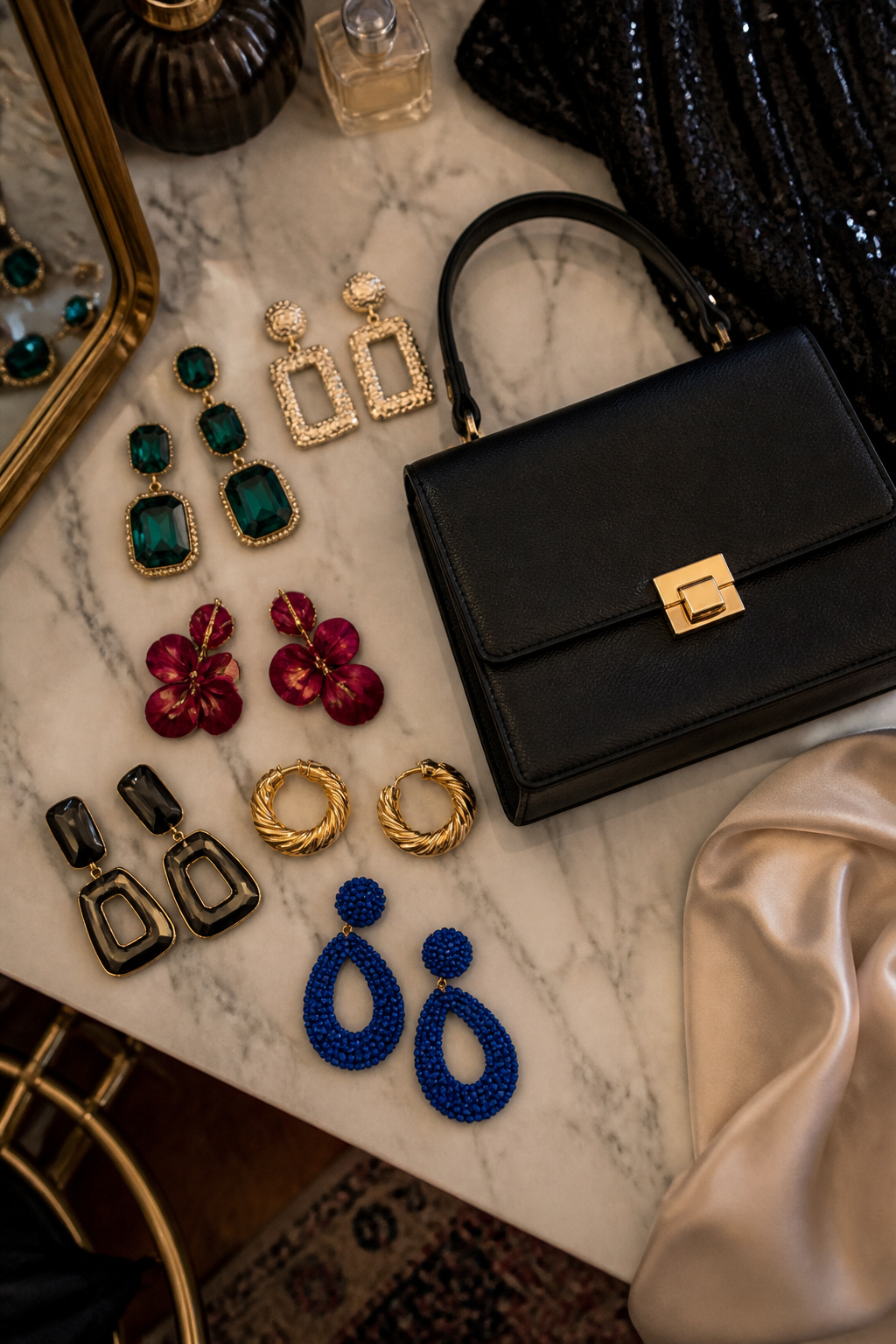
The right accessories do more than finish a look. They flip the switch from daytime to nighttime without changing the base outfit at all.
EGO currently lists 1,760 styles in its going-out range, and that volume tells you something: the options are dense enough that you can find the exact piece that reads intentional rather than afterthought. Two categories carry most of the weight. Statement jewelry, especially earrings, sit at eye level where people actually look during conversation. A sleek shoulder bag does the same work at hip level, adding structure that a pocket-less dress or top lacks.
Here is the math worth remembering: a $20 top with the right earrings outreads a $200 dress with nothing added. The earrings do not need to be expensive. They need to be large enough or shiny enough to register in dim light, where most going-out outfits are actually seen. The bag should be small enough that you are not tempted to leave it on the table, and structured enough that it does not collapse against your body.
The mistake is adding both at once. Pick one to lead. If the earrings are bold, keep the bag minimal. If the bag is the statement, stud earrings or none. The outfit reads as considered either way; it reads as busy only when both compete.
How to Build from What You Own
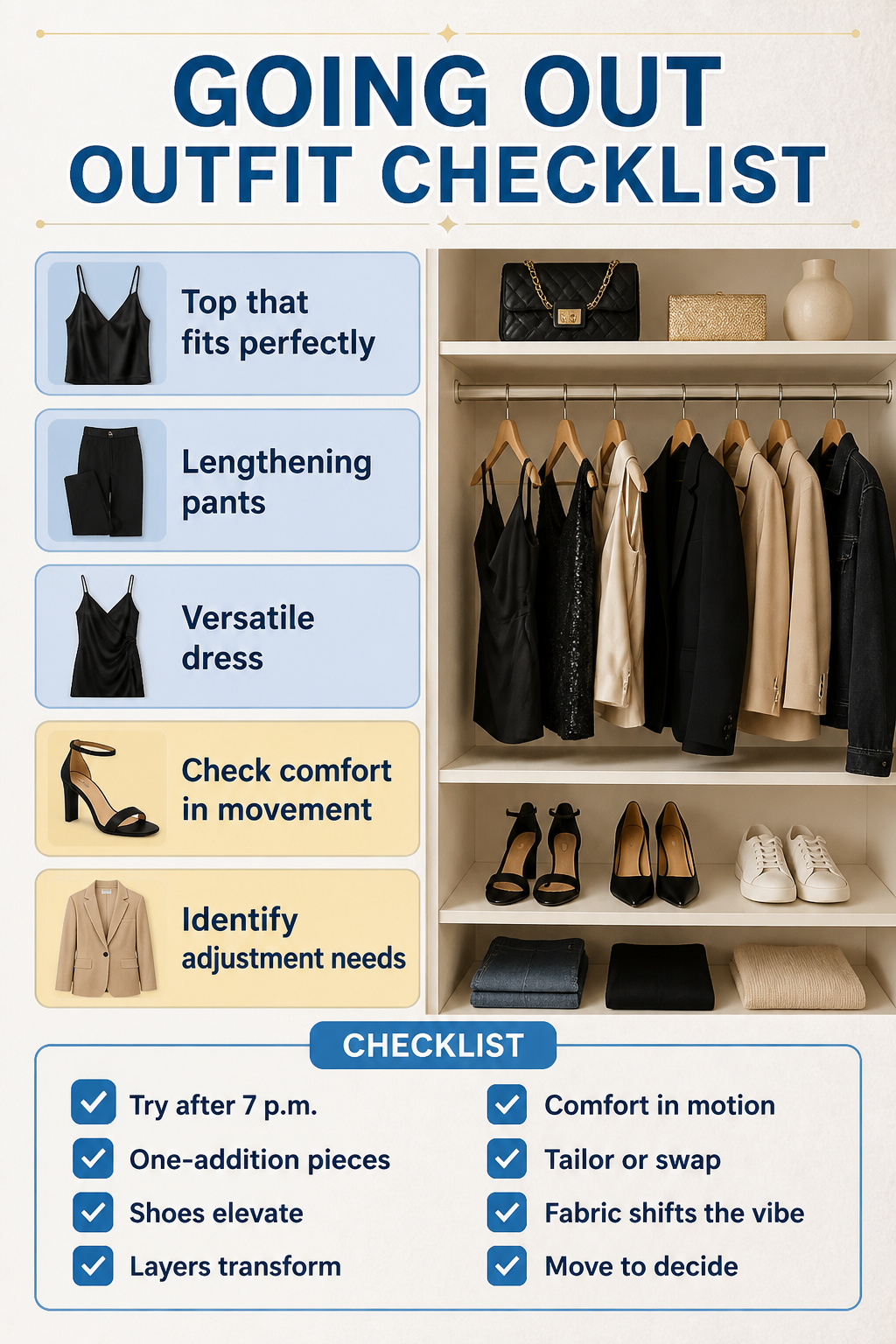
Most closets already hold the bones of a solid going out outfit, but you have to look at the pieces differently than you do for work or weekends. Pull out the items you reach for when you want to feel put-together: the top that fits your shoulders exactly right, the pants that make your legs look longer, the dress you keep for no particular reason. Try each on and ask where you would wear it after 7 p.m. If the answer is nowhere, set it aside. If the answer is "with different shoes" or "if I had a jacket," those are your one-addition pieces. The goal is knowing whether you need a shoe, a layer, or a swap-out, not a whole new look.
What never works is worth naming too. That blouse you keep meaning to tailor, the skirt that rides up when you walk, the anything you have to adjust every ten minutes. Going out clothes fail in motion, not in front of a mirror. Move in them. Sit down. Raise your arms. If you are fixing, it is not making the cut.
Color and fabric do more work than cut sometimes. A black silk cami and dark jeans read evening with heeled sandals; the same cami with work trousers and flats does not. Your existing pieces probably shift further than you think with one deliberate swap.
Matching the Outfit to the Occasion
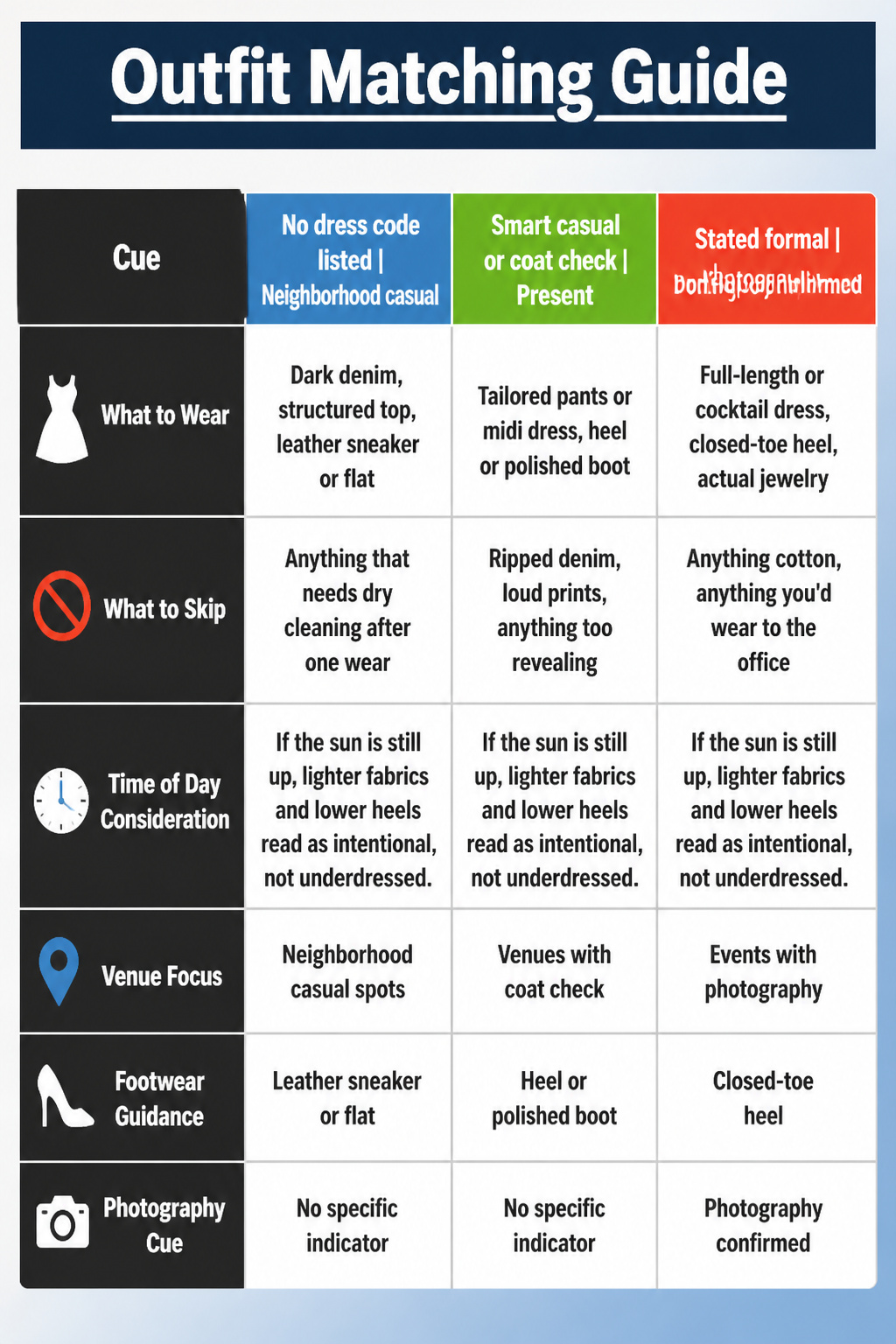
The invitation rarely tells you the whole story. A 7 PM reservation in the West Village probably means dark denim and a clean boot will pass, but the same time in Midtown with a coat check is a signal to step it up. Look for whether the booking platform lists a dress code, and take "smart casual" literally: no sneakers, no sequins.
For date nights, the venue matters more than the occasion. A wine bar with standing tables calls for a block heel you can balance in; a seated tasting menu is where you wear the shoe that pinches slightly but looks right across the table. Formal events are easier to read because they usually state it, but the real cue is photography: if there is a step-and-repeat or hired shooter, your shoulders should probably be covered and your hemline below the knee.
| Cue | What to Wear | What to Skip |
|---|---|---|
| No dress code listed, neighborhood casual | Dark denim, structured top, leather sneaker or flat | Anything that needs dry cleaning after one wear |
| "Smart casual" or coat check present | Tailored pants or midi dress, heel or polished boot | Ripped denim, loud prints, anything too revealing |
| Stated formal, photography confirmed | Full-length or cocktail dress, closed-toe heel, actual jewelry | Anything cotton, anything you’d wear to the office |
Time of day is the last detail that trips people up. Brunch formal is not dinner formal; if the sun is still up, lighter fabrics and lower heels read as intentional, not underdressed.
Footwear That Works and Lasts the Night
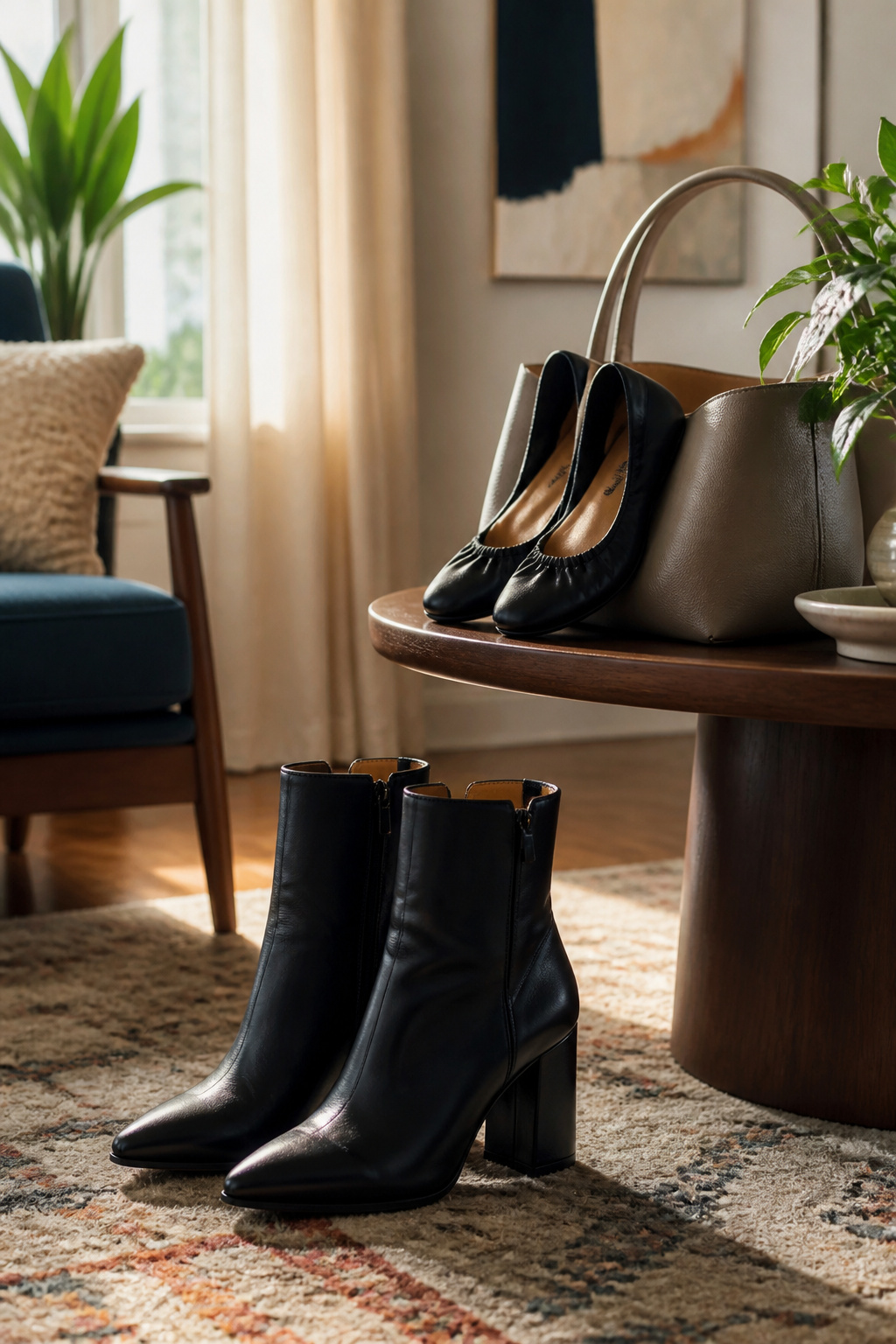
Shoes make or break a going out outfit, and the mistake most people make is testing them standing still in a store. Walk on a hard surface for at least ten minutes before you commit, because carpet lies. Heels give the cleanest line with dresses and tailored pants, but anything over three inches needs a platform or a chunky heel to distribute weight, or you will be the person barefoot on the sidewalk by midnight. Ankle boots bridge casual and dressy better than most people expect, especially in leather with a pointed toe, though a narrow toe box pinches after an hour of standing at a bar. Stylish sneakers have earned their place in semi-formal spaces, but only if they are genuinely clean and the rest of the outfit is structured enough to signal intention rather than laziness. The real move is the backup plan: a pair of foldable flats or low-profile leather loafers in your bag, because even the most broken-in block heel can blister on a humid night. Test the backup too. A backup that rubs your heel raw is just dead weight.
Frequently Asked Questions
What are the best outfits for a night out?
The best going out outfits range from casual to glamorous depending on where you’re headed. Dark jeans with a tailored blazer works for laid-back evenings, a midi dress or tailored pants with a silk top handles semi-formal events, and a floor-length gown with statement jewelry fits black-tie occasions. The key is matching the outfit to the social contract of the event, not just dressing up for the sake of it.
How do I style a casual night out outfit?
Start with dark-wash jeans in a slim or straight leg, then add a tailored blazer over a simple T-shirt or silky cami. The blazer provides structure without looking like you tried too hard. Finish with clean white sneakers or ankle boots rather than heels to keep the relaxed mood intact. A pastel or bold color underneath a neutral blazer prevents the workwear feel.
What should I wear for a semi-formal night out?
A midi dress is the most reliable choice; the length works for sitting and standing, and you can vary the sleeve or neckline to match your style. Alternatively, pair high-waisted tailored pants with a silk or satin top, tucking it in to keep the waist defined. Pointed-toe flats or heeled boots finish the look, and a structured bag keeps it from slipping toward office territory.
How can I elevate my going out look with accessories?
Statement earrings and a sleek shoulder bag carry most of the weight. Earrings sit at eye level where people look during conversation, so choose pieces large or shiny enough to register in dim light. The bag should be small enough to keep with you and structured enough to hold its shape. Pick one to lead; if the earrings are bold, keep the bag minimal, and vice versa. A $20 top with the right earrings outreads a $200 dress with nothing added.